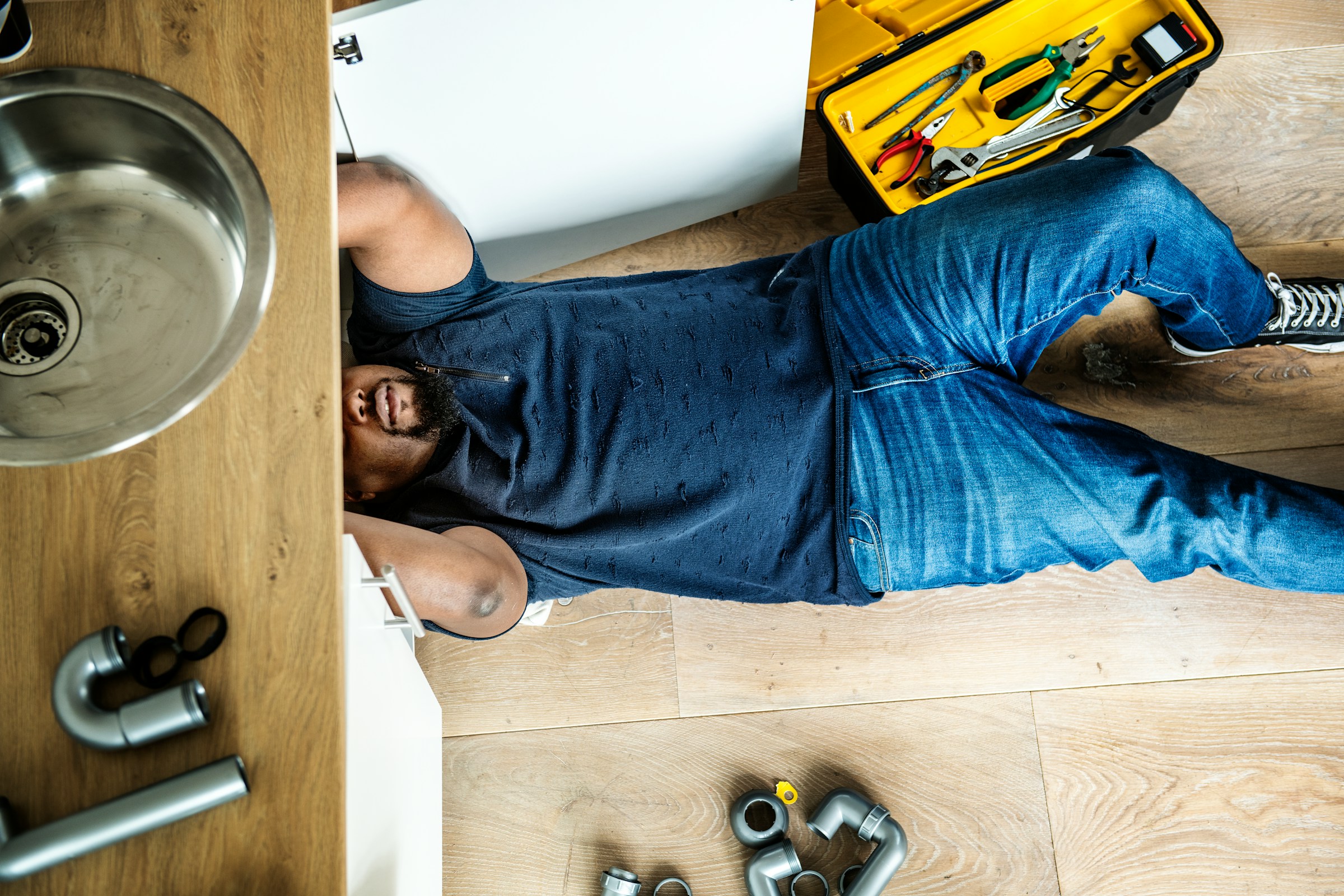
It starts with a drip, then a gurgle, and suddenly—water is everywhere. Your heart races. You’re not sure what to do first, but you know one thing: you need a plumber now.
Plumbing emergencies can feel overwhelming, especially when they happen out of the blue. Burst pipes, backed-up sewage, overflowing toilets—these aren’t just inconvenient; they can cause thousands of dollars in damage within minutes.
So, let’s discuss how to stay calm and take the right steps before your plumber arrives. Because when it comes to plumbing disasters, every second counts.
What Exactly Is a Plumbing Emergency?
Before you panic, ask yourself: is this truly a plumbing emergency?
Some situations can wait a few hours, while others demand immediate attention. Here’s how to tell:
True Plumbing Emergencies:
- A burst pipe spraying water
- A sewage backup in your basement or bathroom
- An overflowing toilet that won’t stop
- A gas leak (call your utility company or 911 first!)
- No water at all in the house
- A leaking water heater that’s flooding the room
Can Possibly Wait:
- A slow drain
- A dripping faucet
- A running toilet
- A minor leak under the sink
Still unsure? If there’s active flooding, risk of water damage, or a health hazard involved, it’s an emergency. Don’t hesitate—act quickly.
Step 1: Shut Off the Water Supply
The first move in any water-related plumbing emergency is simple: stop the water.
Do you know where your home’s main water shut-off valve is? If not, now is a good time to find it (hint: it’s usually in the basement, crawlspace, or near the water meter).
Here’s what to do:
- For localized issues (like a toilet or sink), shut off the valve directly beneath the fixture.
- For major leaks or unknown sources, shut off the main water supply to your house.
Turning off the water quickly can limit damage and buy you precious time while waiting for help.
Step 2: Turn Off the Water Heater (If Necessary)
If your plumbing emergency involves hot water or the water heater itself, turn off your heater to avoid further damage—or even explosions.
- For gas heaters, switch the gas valve to “pilot.”
- For electric heaters, turn off the breaker in your electrical panel.
This helps prevent overheating and protects the unit until a professional can assess it.
Step 3: Contain the Damage (As Best You Can)
Now that the water is off, it’s time to limit the mess.
Grab towels, buckets, and mops—whatever you have handy. Your goal is to prevent water from spreading to carpets, hardwood, drywall, or electrical systems.
Here’s how to act fast:
- Use towels or old blankets to soak up water
- Place a bucket under any dripping pipes
- Move electronics, rugs, and furniture out of the wet zone
- Open windows and doors to ventilate the area if safe
Quick action now can reduce your repair bills dramatically later.
Step 4: Call an Emergency Plumber
Once you’ve done the basics, it’s time to make the call. But don’t just Google “plumber near me” and dial the first number. Take 30 seconds to check the essentials. Whether you’re facing a major leak or standing in rising water, thinking, I Need A Plumber Now, it’s essential to choose someone reliable and fast.
Here’s what to ask when calling a plumber:
- Do you offer 24/7 emergency service?
- How soon can someone arrive?
- What are your emergency service fees?
- Are you licensed and insured?
Be ready to describe the issue clearly:
- What happened?
- How long has it been going on?
- What have you done so far (like turning off the water)?
Clear communication helps the plumber come prepared with the right tools and parts.
Step 5: Avoid DIY Fixes That Might Make Things Worse
It’s tempting to take matters into your own hands, especially if the plumber’s ETA is a couple of hours. But tread carefully—some DIY efforts can backfire.
Don’t:
- Use chemical drain cleaners in a clogged pipe you’ve already tried to plunge (they can damage pipes or splash back)
- Tighten fittings too hard (it may cause cracks)
- Try to remove or replace pipes if you’re not trained
Do:
- Use a plunger if it’s a basic toilet or sink clog
- Catch drips in a container
- Keep the water shut off
When in doubt, wait for the professional. A temporary inconvenience is better than a major repair.
Step 6: Document the Damage
It might not be top of mind, but if your plumbing emergency causes property damage, you may need to file a home insurance claim.
Start documenting:
- Take photos or videos of the affected area
- Note the time the leak started and what actions you took
- Save all receipts from the plumber, hotel stays (if displaced), or cleanup supplies
Insurance companies like thorough documentation—it helps you get reimbursed faster and more fully.
Step 7: Ask the Right Questions Once the Plumber Arrives
When the plumber shows up, you might feel tempted to step back and let them handle it. That’s fair, but it’s also a great time to gather important info.
Ask:
- What caused the problem?
- Was it preventable?
- Are any other parts of the plumbing system at risk?
- What steps can I take to avoid this in the future?
A good plumber won’t just fix your pipes—they’ll educate you about what went wrong and how to prevent it from happening again.
Step 8: Schedule a Follow-Up (If Needed)
Sometimes, emergency repairs are just the beginning. If the plumber had to do a temporary fix or patch something to stop the bleeding, schedule a full inspection or replacement soon.
This is common if:
- Your pipes are outdated (e.g., galvanized steel or polybutylene)
- Your water heater is corroding or leaking
- Your sewer line shows signs of tree root invasion
Don’t leave long-term repairs for “someday”—plan them now before the next crisis hits.
Pro Tips: Be Ready Before the Next Emergency
Now that you’ve survived a plumbing emergency, let’s make sure it doesn’t happen again—or if it does, you’re better prepared.
Here’s how to prep:
- Learn where all your shut-off valves are
- Keep the number of a trusted emergency plumber in your phone
- Create a “plumbing emergency kit” with towels, gloves, and buckets
- Consider annual plumbing inspections
- Install water sensors in leak-prone areas (basements, under sinks)
Preparedness is the difference between panic and control when disaster strikes.
Let’s Discuss: What’s Your Emergency Game Plan?
Think about your home right now. If your pipes burst or your water heater starts leaking—do you know what you’d do?
If the answer is “not really,” then now’s the time to get ready.
Talk with your household. Label the shut-off valve. Save your plumber’s contact. You don’t have to live in fear of water damage, but you do need a plan.
Because when you’re standing in an inch of water and thinking, I need a plumber now, those extra minutes of preparation can make all the difference.