
Your roof is the primary defense against the elements, protecting your family and your belongings from wind, rain, and heat.
Regular care is not merely about aesthetic appeal; it is a critical investment that extends the lifespan of your property and prevents costly structural issues.
By adopting a proactive maintenance routine and understanding the components of your roofing system, you ensure that your home remains secure, energy-efficient, and comfortable throughout the changing seasons.
Sourcing Quality Materials From Metal Roofing Suppliers
For homeowners considering long-term durability, exploring options from reputable metal roofing suppliers is an excellent decision.
Metal roofs are renowned for their exceptional strength, fire resistance, and ability to reflect solar radiation, which can significantly reduce your monthly cooling costs.
When you work with expert suppliers, you gain access to high-quality alloys and protective coatings that resist rust and corrosion.
Investing in premium materials from the start ensures that your roof is built to withstand harsh weather conditions, providing a robust shield that maintains its structural integrity and visual appeal for decades.
Precision Planning for Professional Roofing Installation
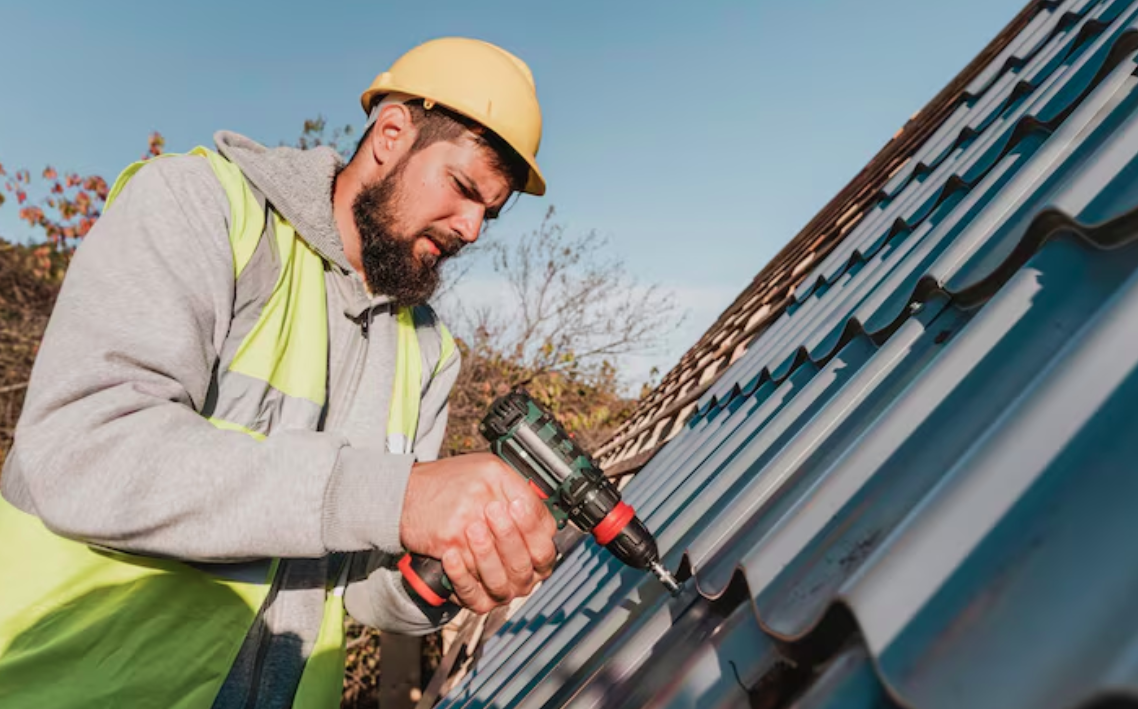
The longevity of any roof depends heavily on the quality of its initial construction. Professional roofing installation requires precise measurements, proper underlayment, and meticulous attention to flashing details around chimneys and vents.
When you hire experienced technicians, they ensure that every seam is sealed and every shingle or panel is aligned perfectly to prevent water intrusion.
A correct installation not only guarantees that your manufacturer’s warranty remains valid but also eliminates the common vulnerabilities that lead to leaks and structural decay over time.
Implementing Regular Inspection Cycles
Routine inspections are the most effective way to catch minor issues before they escalate into major repairs. Schedule a thorough check of your roof at least twice a year—ideally in the spring and autumn.
During these assessments, look for cracked, curled, or missing shingles, and inspect metal flashing for signs of lifting or damage.
Early detection of a small leak or a loose nail allows for quick, affordable repairs that prevent water from seeping into your attic and causing extensive damage to your home’s interior.
Clearing Debris for Optimal Drainage
Debris such as leaves, branches, and moss can be detrimental to your roof’s health. Accumulations of organic matter trap moisture against the surface, which accelerates the decay of shingles and promotes mold growth.
Regularly cleaning your roof and ensuring that your gutters are clear of blockages is essential for efficient water drainage. By keeping the roof surface clean, you prevent water from backing up under the shingles, which is a leading cause of roof-related leaks.
Addressing Attic Ventilation and Insulation
Proper attic ventilation is crucial for balancing temperature and moisture levels. Inadequate airflow can lead to heat buildup in the summer and excessive condensation in the winter, both of which can damage your roof from the inside out.
Ensure that your soffit vents and ridge vents are unobstructed, and verify that your attic insulation is effectively preventing thermal transfer. A well-ventilated attic maintains the temperature of the roof deck, which prevents shingles from premature cracking or warping.