
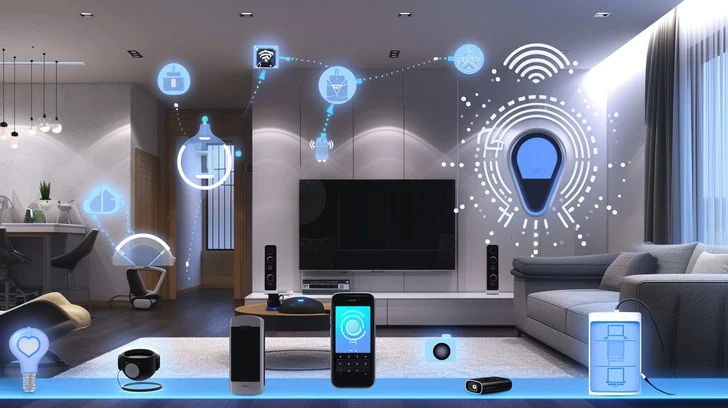
Smart homes are no longer a luxury, they’re the new standard for comfort, security, and efficiency. And if you’re building from scratch or doing a major remodel, the best time to plan for smart home features is during the electrical design phase.
While anyone can install a few smart plugs or bulbs after the fact, truly seamless automation starts behind the walls, with the right infrastructure, wiring, and systems in place from day one.
Here are the core electrical upgrades every homeowner should consider when designing a smart home from the ground up.
1. Smart Panel with Energy Monitoring
Traditional panels weren’t built to support today’s smart technology demands. A modern smart panel gives you:
- Circuit-level visibility
- Real-time energy usage tracking
- Remote access and control
- Readiness for future add-ons like EV chargers or solar panels
It’s a smarter, safer, and more efficient way to manage your home’s electrical system and puts you in complete control of your energy consumption.
2. Outlet and Conduit Placement That Supports Smart Living
Smart homes rely on strategic power access. During construction, plan for:
- Additional outlets in key spots (behind TVs, near entryways, kitchen islands)
- USB or smart outlets for device charging
- Conduits for future low-voltage wiring (Ethernet, HDMI, security lines)
Building with flexibility in mind helps avoid messy retrofits later on.
3. Whole-Home Surge Protection
With so many connected devices, a power surge can do real damage. Whole-home surge protectors—installed at the panel—offer protection for:
- Wi-Fi routers and smart hubs
- HVAC systems and appliances
- Lighting systems and electronics
It’s a simple upgrade that provides essential peace of mind.
4. Built-In Smart Lighting Controls
Forget relying on individual smart bulbs. Installing smart switches and dimmers gives you:
- Centralized control of entire lighting zones
- Integration with motion sensors and schedules
- Compatibility with voice assistants or mobile apps
It also looks cleaner and operates more reliably than retrofitted solutions.
5. Low-Voltage Wiring for Connectivity and Security
For stable, high-speed performance, hardwired connections still beat Wi-Fi. Plan for structured cabling to support:
- Security cameras and video doorbells
- Smart thermostats and intercoms
- Home audio systems and access control
Running this wiring during construction is easier and far more cost-effective than doing it later.
6. Dedicated Tech Space for Network Equipment
Your smart home runs on your network. Allocate space near the electrical panel for:
- A network switch and structured wiring panel
- Router, modem, and power backup
- Smart home hubs and controllers
Proper organization ensures stronger connectivity and easier access for maintenance or upgrades.
7. Power Backup and Battery Readiness
Even the smartest systems fail without power. For homes in areas with outages or storms, consider planning for:
- Generator transfer switches
- Home battery integration
- Essential circuit backup (Wi-Fi, lighting, security)
Power continuity means your smart systems stay online when you need them most.
Plan with Professionals Who Understand Smart Home Infrastructure
Smart homes work best when they’re built with the right foundation—especially in the electrical system. That’s why working with a contractor who understands both smart tech and code-compliant electrical design is essential.
If you’re building in the Rockwall, TX area, this smart home electrical planning guide from W3 Electric offers a practical breakdown of the upgrades that support comfort, safety, and long-term efficiency.
Final Thoughts: Build for the Future, Not Just the Present
The best smart homes aren’t packed with gadgets—they’re built with intention. By prioritizing the right electrical upgrades during construction, you’re not just wiring a house—you’re setting the foundation for long-term comfort, connectivity, and value.
Plan ahead. Build smart. And make sure your home is ready for what’s next.