
Buying a vehicle is a major financial commitment, and most owners expect dependable transportation in return. While occasional maintenance and repairs are a normal part of vehicle ownership, some problems continue to return despite multiple visits to the dealership. When a defect repeatedly affects the vehicle’s performance, reliability, or safety, it may be time to take a closer look at your situation. Lemon Buddy – Lemon Law Lawyers provides information to help vehicle owners better understand their rights and the factors that may be considered when recurring warranty-related defects continue despite repair efforts.
Not every recurring repair automatically qualifies for legal protection. However, understanding the types of defects that commonly lead to vehicle defect claims can help you recognize when an issue deserves further attention. The condition of the vehicle, warranty coverage, repair history, and the impact of the defect all play an important role when evaluating a potential claim under car lemon law.
This guide explores common vehicle problems that may require closer evaluation, explains why documentation is so important, and outlines practical steps vehicle owners can take when recurring defects remain unresolved.
Understanding the Difference Between Routine Repairs and Recurring Defects
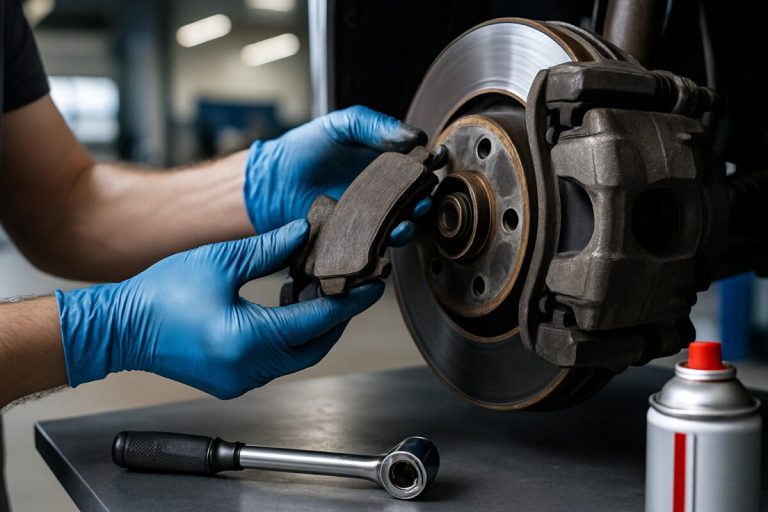
Every vehicle requires maintenance throughout its lifetime. Oil changes, tire replacements, brake pad wear, and battery replacement after years of normal use are all expected parts of ownership. These routine services generally do not indicate that a vehicle has a significant manufacturing defect.
Recurring defects are different. These issues continue to appear even after repairs have been performed, often involving the same vehicle system multiple times. In some situations, the dealership may replace parts or perform software updates, yet the original problem continues to return.
The pattern of repeated repairs is often more significant than a single repair visit. While one unexpected issue may simply be an isolated incident, ongoing problems involving the same defect may warrant a closer review.
For example, if a vehicle continues experiencing transmission hesitation after several repair appointments, the recurring nature of the problem may be more concerning than the initial repair itself.
Common Vehicle Problems That May Require Further Evaluation
Vehicle defects can affect many different systems. While every case is unique, certain recurring problems are more commonly associated with warranty-related concerns.
Engine Performance Problems
The engine is one of the most important components of any vehicle. Problems affecting engine performance may interfere with reliability, fuel efficiency, and safe operation.
Examples may include:
- Repeated engine stalling
- Excessive oil consumption
- Unexpected loss of power
- Persistent engine warning lights
- Rough idling or misfiring
When these issues continue after multiple repair attempts, keeping detailed service records becomes increasingly important.
Transmission Issues
Transmission problems can significantly affect how a vehicle operates. Difficulty shifting gears, delayed acceleration, slipping gears, or sudden loss of power can make everyday driving unpredictable.
While some transmission repairs resolve the issue completely, recurring failures despite warranty repairs may indicate a more significant concern.
Electrical System Malfunctions
Modern vehicles rely on complex electrical systems to control everything from engine performance to driver safety features.
Electrical concerns may include:
- Dashboard warning lights that repeatedly return
- Malfunctioning sensors
- Infotainment system failures
- Power window or lock issues
- Battery drain caused by electrical faults
Because electrical problems can be difficult to diagnose, repeated visits to the repair facility are not uncommon. Careful documentation can help establish whether the same issue continues over time.
Brake and Steering Problems
Defects involving steering or braking systems deserve prompt attention because they may directly affect vehicle safety.
Potential concerns may include:
- Reduced braking performance
- Steering wheel vibration
- Loss of steering assistance
- Unusual noises during braking
- Vehicle pulling to one side
Safety-related defects often require immediate reporting to an authorized repair facility while the manufacturer’s warranty remains active.
Battery and Charging Problems in Electric Vehicles
As electric vehicles become more common, owners occasionally report recurring concerns involving battery systems, charging performance, or software controlling vehicle operation.
These issues may affect driving range, charging reliability, or overall vehicle performance. Like traditional vehicles, repeated warranty repairs involving these systems should be carefully documented.
Why Repeated Repairs Matter
A single repair visit does not necessarily indicate that a vehicle has a significant defect. Manufacturers are generally expected to have an opportunity to diagnose and repair warranty-covered issues.
However, when the same problem continues despite repeated repair efforts, the overall repair history becomes much more important.
For example, imagine a vehicle that has been taken to the dealership four separate times because the engine unexpectedly stalls while driving. Although different repairs were attempted during each visit, the problem continues to occur. A repair history like this provides a much clearer picture than a single repair invoice because it documents the ongoing nature of the defect.
Rather than focusing only on the most recent repair, it is helpful to look at the complete timeline of the issue. Dates of service, repair orders, technician notes, and warranty work performed can all contribute to understanding how the problem has developed over time.
Why Keeping Accurate Vehicle Records Is Essential
One of the most valuable things a vehicle owner can do is maintain organized documentation throughout the repair process. While it may seem unnecessary after the first repair visit, complete records often become increasingly important if the same issue continues to occur.
Helpful documents include:
- Purchase or lease agreement
- Manufacturer’s warranty information
- Repair orders
- Service invoices
- Communication with the dealership or manufacturer
- Notes about when the defect occurred and how it affected the vehicle
These records create a timeline that helps explain what happened, when repairs were attempted, and whether the issue was successfully resolved.
For example, if your vehicle visited the dealership three times for the same electrical system malfunction, having each repair order available can help show when the problem was reported, what repairs were performed, and whether the defect continued after each visit.
Even if you never need legal assistance, organized documentation can make conversations with dealership personnel much easier and help prevent important information from being overlooked.
Common Mistakes Vehicle Owners Should Avoid
When dealing with recurring vehicle problems, some owners unintentionally make decisions that make it more difficult to understand the full history of the defect. Avoiding these common mistakes can help you stay organized while your vehicle is still under warranty.
Waiting Too Long to Report a Problem
Some drivers assume a recurring issue will eventually disappear on its own. Unfortunately, delaying repairs may allow the problem to become worse or make it more difficult to establish when the defect first appeared.
If a warning light returns or the same issue continues to occur, reporting it promptly helps create an accurate service history.
Throwing Away Repair Documents
Repair invoices and work orders may not seem important after a vehicle is returned. However, these documents often provide valuable details about repair attempts, technician findings, and the dates when service was performed.
Keeping every repair record in one place can help create a complete picture of the vehicle’s history.
Assuming Every Recurring Issue Qualifies
Repeated repairs can certainly be frustrating, but not every recurring problem automatically qualifies for legal protection. Several factors must be considered, including warranty coverage, the nature of the defect, and how the issue affects the vehicle’s use, value, or safety.
Learning about your rights before making assumptions can help you better understand your situation.
When It May Be Time to Seek Legal Guidance
Many vehicle owners are unsure when they should speak with a legal professional. There is no single answer that applies to every situation, but recurring warranty-related defects may justify a closer review.
You may consider seeking legal guidance if:
- The same defect continues after multiple repair attempts.
- Your vehicle spends an extended period at the repair facility.
- The issue affects your ability to drive the vehicle safely.
- You are unsure whether your repair history supports a potential claim.
- You have questions about your warranty coverage or available options.
A legal professional can review your repair history, warranty documents, and other relevant information to help you better understand your circumstances. Seeking guidance does not necessarily mean legal action will follow. In many cases, it simply provides clarity about your available options.
Frequently Asked Questions
Does every recurring repair qualify under car lemon law?
No. A recurring repair alone does not automatically mean a vehicle qualifies. Each situation depends on factors such as warranty coverage, repair history, the nature of the defect, and how the issue affects the vehicle’s use, value, or safety.
Should I continue taking my vehicle to the dealership?
If your vehicle is still covered by the manufacturer’s warranty, it is generally advisable to report recurring problems to an authorized repair facility. This allows the issue to be evaluated while also creating a documented repair history.
Can software-related problems be considered significant?
Modern vehicles rely heavily on software to control many important functions. If software-related issues repeatedly affect vehicle operation and continue after repair attempts, they may warrant further evaluation depending on the specific circumstances.
What if I no longer have all of my repair records?
Gather as many documents as possible, including invoices, service records, warranty information, and any written communication with the dealership or manufacturer. Even partial documentation can help establish portions of your vehicle’s repair history.
Why is documentation so important?
Detailed records help demonstrate when problems first appeared, how often repairs were attempted, and whether the same defect continued despite service. Maintaining organized documentation can make it easier to understand your situation and discuss it with a qualified professional if needed.
Conclusion
Recurring vehicle problems can be stressful, especially when repairs fail to provide a lasting solution. While not every repair issue qualifies for legal protection, understanding the difference between routine maintenance and recurring warranty-covered defects can help you make informed decisions.
Keeping detailed repair records, reporting problems promptly, and learning about your rights are practical steps every vehicle owner can take. These actions can provide a clearer understanding of your vehicle’s history and help determine whether additional review may be appropriate. Lemon Buddy – Lemon Law Lawyers encourages vehicle owners to understand their legal rights and the importance of maintaining accurate documentation when recurring warranty-related defects remain unresolved.
If you believe your situation deserves closer evaluation, learning more about lemon law for cars and discussing your repair history with a knowledgeable legal professional can help you better understand your available options based on the specific facts of your case.
LEMON BUDDY
5850 CANOGA AVENUE, SUITE 306, WOODLAND HILLS, CA 91367
Phone: (310) 444-9444
Website: https://lemonbuddy.com/