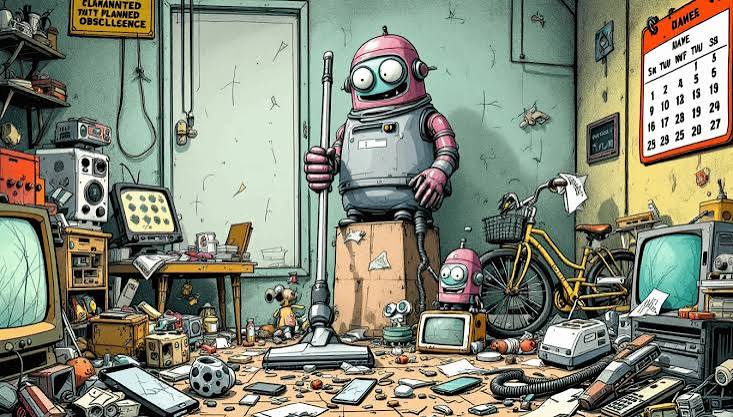
A smartphone that slows down after a few years, a washing machine that costs more to repair than replace, or a printer that stops working despite having usable parts. These situations have become familiar to modern consumers. Behind some of these experiences lies a business practice known as planned obsolescence, where products are designed or marketed with a limited useful life to encourage future purchases. As technology advances and consumer expectations change, this practice continues to influence purchasing decisions, household spending, and attitudes toward product ownership.
Understanding Planned Obsolescence in Consumer Products
Planned obsolescence refers to strategies that shorten a product’s practical or perceived lifespan. Sometimes, manufacturers use components that wear out relatively quickly. In other cases, software updates, limited repair options, or changing design trends make otherwise functional products seem outdated.
However, not every product failure results from deliberate planning. Manufacturing costs, technological limitations, intensive usage, and normal wear can also affect durability. Distinguishing between genuine product limitations and intentional design decisions helps consumers make more informed judgments.
For readers exploring consumer trends through platforms such as Melbwire.com.au, understanding product longevity provides useful context for evaluating modern purchasing habits and recognizing the importance of durability.
Changing Expectations Around Product Lifespan
Previous generations often expected household appliances, furniture, and electronics to remain functional for many years. Today, frequent product launches and rapidly changing features can create pressure to replace items before they stop working.
Smartphones provide a familiar example. Consumers may purchase newer models because of improved cameras, updated designs, or additional features, even when their existing devices remain functional. Marketing campaigns can reinforce the perception that older technology is no longer sufficient.
This changing relationship with ownership has encouraged a culture where replacement sometimes feels more convenient than maintenance. As a result, consumers may focus more on immediate affordability and attractive features than long term reliability.
Financial Consequences of Frequent Replacement
Repeated purchases can gradually place pressure on household budgets. A product with a lower initial price may appear economical, but frequent replacement can make it more expensive over time.
Consider two household appliances offering similar functionality. One costs less initially but requires replacement after several years, while another costs more but remains reliable considerably longer. The second option may deliver better overall value, depending on maintenance costs and actual durability.
These considerations also apply to larger purchases involving personal mobility and public transport systems. Vehicles, electronic ticketing equipment, and transport infrastructure all depend on maintenance, replacement components, and reliable technology. Longer equipment lifespans can help reduce unnecessary expenditure and resource consumption.
Consumers who consider total ownership costs rather than purchase prices alone are better positioned to recognize genuine value.
Environmental Effects of Disposable Consumption
Frequent product replacement contributes to growing concerns about electronic waste, resource extraction, and manufacturing emissions. Discarded electronics may contain valuable metals, plastics, and components that require specialized recycling processes.
Manufacturing replacement products also demands energy, raw materials, packaging, and transportation. Even when recycling programs recover useful materials, extending the functional lifespan of existing products can reduce the need for additional manufacturing.
Environmental discussions in Australian articles increasingly explore responsible consumption, waste reduction, and sustainable product design. These subjects highlight the relationship between individual purchasing decisions and broader environmental challenges.
Choosing repairable products, maintaining existing equipment, and supporting responsible recycling programs can help consumers reduce unnecessary waste.
Repairability Is Becoming an Important Buying Consideration
Product repairability has become an increasingly relevant factor in purchasing decisions. Consumers are beginning to recognize that affordable replacement parts, accessible repair services, and clear maintenance instructions can significantly extend product usability.
For example, replacing a laptop battery or repairing a damaged appliance component may restore functionality without requiring an entirely new purchase. However, restricted access to spare parts, complicated construction, and expensive servicing can discourage repairs.
Before purchasing electronics or household equipment, consumers can investigate warranty coverage, repair availability, and manufacturer support. These details often reveal more about long term value than promotional descriptions.
Consumer Awareness and Changing Shopping Priorities
Greater awareness of planned obsolescence is encouraging some shoppers to reconsider their purchasing priorities. Instead of automatically choosing newer models, they may compare durability, practical features, and maintenance requirements.
A Sydney blog discussing consumer lifestyles, for example, might examine the growing interest in refurbished electronics, secondhand furniture, and products designed for easier repairs. Such discussions can help readers understand alternatives to frequent replacement.
Consumer reviews, independent product comparisons, and transparent warranty policies can also support more thoughtful purchasing decisions. The objective is not necessarily to avoid new technology but to purchase products that genuinely meet individual needs.
Conclusion
Planned obsolescence influences modern buying habits by shaping expectations around durability, convenience, and technological relevance. Although innovation provides genuine benefits, frequent replacement does not always represent better value. Consumers who consider product lifespan, repairability, maintenance costs, and environmental impact can make purchasing decisions that support both financial stability and responsible consumption. Ultimately, buying smarter means recognizing when a new product offers meaningful improvements and when an existing one still deserves a place in everyday life.