Your vehicle’s brakes are one of the most critical safety systems, yet they’re often overlooked until something goes wrong. Many drivers don’t think about their braking system until they hear a squealing noise, feel vibrations while stopping, or notice a warning light on the dashboard. At that point, one of the first questions that comes to mind is the brake repair cost and whether the repair can wait.
The truth is that delaying brake repairs often leads to higher expenses. What starts as a simple brake pad replacement can quickly become a much larger repair involving rotors, calipers, or even hydraulic components. Understanding what affects repair costs, how your driving habits influence brake wear, and when to schedule truck brake service can help you make informed maintenance decisions while keeping your vehicle safe on the road.
Whether you own a family sedan, an SUV, a diesel pickup, or a commercial work truck, investing in routine brake maintenance helps improve performance, extend component life, and reduce unexpected repair bills. For drivers seeking professional brake inspections and repairs, Domestic Diesel Truck and Auto Repair provides experienced service to help keep braking systems operating safely and reliably.
Why Brake Maintenance Is Essential
Every time you press the brake pedal, multiple components work together to slow and stop your vehicle safely. This process creates friction and heat, gradually wearing down brake parts over thousands of miles.
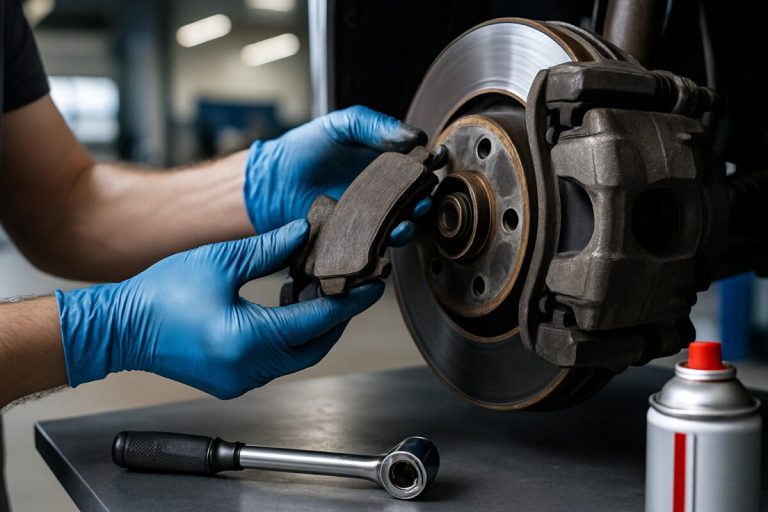
Although brake components are designed to wear over time, ignoring maintenance accelerates deterioration and increases repair costs. A worn brake pad may seem like a minor issue, but if it isn’t replaced promptly, the metal backing plate can grind directly against the rotor. This causes damage that is significantly more expensive to repair.
Routine inspections allow technicians to identify normal wear before it affects other parts of the braking system. In many cases, replacing inexpensive wear items early helps avoid much larger repair bills later.
What Affects Brake Repair Cost?
There is no universal answer to brake repair cost because every repair is different. Several factors determine the final price, including the condition of the braking system and the type of vehicle being serviced.
Some of the biggest factors include:
- Vehicle make and model
- Brake system design
- Front versus rear brake repairs
- Type and quality of replacement parts
- Labor rates
- Extent of component wear
- Additional repairs discovered during inspection
Luxury vehicles, diesel trucks, and heavy-duty pickups often use larger braking systems with more expensive components than compact passenger cars. Similarly, vehicles equipped with advanced driver assistance systems (ADAS) may require additional calibration after brake work.
For this reason, two vehicles experiencing similar symptoms may have very different repair costs.
Understanding the Main Brake Components
Knowing how your braking system works makes it easier to understand why repair costs vary.
Brake Pads
Brake pads are friction materials that press against the brake rotors to slow the vehicle. They are considered wear items and require replacement periodically throughout the life of the vehicle.
Common signs of worn brake pads include:
- Squealing noises
- Grinding sounds
- Reduced stopping performance
- Dashboard brake warnings
- Increased stopping distance
Replacing brake pads before they become excessively worn is usually the most affordable brake repair.
Brake Rotors
Rotors provide the surface against which the brake pads clamp. Over time, heat and friction wear them down or cause them to warp.
Signs that rotors may need attention include:
- Brake pedal pulsation
- Steering wheel vibration
- Grooved rotor surfaces
- Uneven brake pad wear
In some cases, rotors can be resurfaced if enough material remains. However, many modern rotors are designed to be replaced once they reach minimum thickness specifications.
Brake Calipers
Brake calipers house the pistons that press the brake pads against the rotors. They play a crucial role in creating the clamping force needed for effective braking.
A sticking caliper can cause:
- Uneven brake wear
- Pulling while braking
- Overheating brakes
- Burning odors
- Reduced fuel economy
Replacing calipers increases overall brake repair cost, but doing so promptly prevents further damage to pads and rotors.
Brake Fluid
Brake fluid transfers hydraulic pressure from the brake pedal to each wheel.
Over time, brake fluid absorbs moisture from the air, reducing its effectiveness and potentially causing internal corrosion.
Old brake fluid may contribute to:
- Soft brake pedal
- Reduced braking response
- Corrosion inside brake lines
- ABS component damage
Periodic brake fluid replacement is an important part of preventive maintenance.
How Driving Habits Influence Brake Wear
Many drivers don’t realize how much their driving style affects brake life.
Aggressive driving creates more heat and friction, causing brake components to wear much faster.
Habits that shorten brake life include:
- Hard braking
- Tailgating
- Rapid acceleration followed by sudden stops
- Stop-and-go commuting
- Driving with heavy cargo
- Frequent mountain driving
By comparison, drivers who maintain safe following distances and brake gradually often enjoy significantly longer brake component life.
Why Truck Brake Service Is Different
Heavy-duty trucks place far greater demands on braking systems than passenger vehicles.
Routine truck brake service is especially important for:
- Diesel pickup trucks
- Commercial work trucks
- Fleet vehicles
- Vehicles that tow trailers
- Construction vehicles
These vehicles regularly carry heavier loads and generate much more braking heat, accelerating wear on pads, rotors, and hydraulic components.
Professional truck brake inspections often include:
- Brake pad thickness measurements
- Rotor inspection
- Brake line inspection
- Brake fluid testing
- Caliper operation checks
- Parking brake inspection
Routine service helps reduce downtime while improving overall safety.
Warning Signs That Should Never Be Ignored
Brake problems rarely resolve themselves. In fact, they almost always become worse over time.
Schedule a brake inspection if you notice:
- Squealing brakes
- Grinding noises
- Vibrations while braking
- Soft brake pedal
- Brake warning light
- Vehicle pulling to one side
- Burning smell
- Reduced stopping power
Even if the vehicle still stops normally, these symptoms often indicate early-stage wear that should be addressed promptly.
Why Delaying Brake Repairs Costs More
Many vehicle owners postpone repairs to save money.
Ironically, delaying service often has the opposite effect.
For example:
- Worn brake pads damage rotors.
- Damaged rotors wear out new pads faster.
- Sticking calipers overheat the braking system.
- Contaminated brake fluid damages hydraulic components.
A relatively inexpensive repair can quickly become much more extensive when multiple components require replacement.
Regular inspections help identify problems before they escalate.
Choosing Quality Replacement Parts
When comparing repair estimates, it can be tempting to choose the lowest-priced option.
However, brake quality directly affects safety.
Premium brake components often offer:
- Better stopping performance
- Less brake dust
- Reduced noise
- Improved durability
- Better heat resistance
- Longer service life
Quality parts frequently provide better long-term value because they last longer and perform more consistently.
Preventive Maintenance Helps Reduce Brake Repair Cost
Preventive maintenance is one of the best ways to minimize future brake expenses.
Routine brake inspections generally include:
- Measuring brake pad thickness
- Inspecting brake rotors
- Examining brake hoses
- Checking brake lines
- Testing brake fluid
- Inspecting calipers
- Looking for leaks
- Checking parking brake operation
These inspections help technicians identify developing issues before they become costly repairs.
Modern Brake Systems Are More Complex
Today’s vehicles include sophisticated braking technologies that improve safety and vehicle control.
These systems may include:
- Anti-lock Braking System (ABS)
- Electronic Stability Control
- Brake Assist
- Electronic Brake Force Distribution
- Traction Control
Because these systems integrate mechanical, hydraulic, and electronic components, professional diagnosis has become increasingly important.
Specialized diagnostic tools help technicians identify sensor failures, hydraulic issues, and electronic faults that may not be immediately visible during a basic inspection.
When Should You Schedule Truck Brake Service?
Although manufacturers provide recommended maintenance intervals, brake inspections should also be based on vehicle usage.
Drivers should schedule truck brake service if they regularly:
- Tow heavy trailers
- Carry commercial equipment
- Drive long highway distances
- Operate in mountainous terrain
- Frequently encounter stop-and-go traffic
Commercial vehicles often benefit from more frequent inspections because heavy-duty use accelerates brake wear.
Tips for Extending Brake Life
While brake components naturally wear out, several habits can help maximize their lifespan.
Consider these best practices:
- Maintain safe following distances.
- Brake gradually whenever possible.
- Avoid unnecessary hard stops.
- Remove excess cargo when not needed.
- Have brakes inspected during routine maintenance.
- Replace brake fluid according to manufacturer recommendations.
- Address unusual noises immediately.
Small changes in driving habits often translate into longer-lasting brake components and lower maintenance costs.
Why Timely Brake Repairs Are Worth the Investment
Understanding brake repair cost empowers vehicle owners to make smarter maintenance decisions before small problems become expensive repairs. Every braking system experiences wear, but prompt inspections and routine maintenance can significantly reduce long-term expenses while improving overall vehicle safety.
Whether you drive a commuter vehicle, diesel pickup, or commercial fleet truck, investing in regular truck brake service is one of the most effective ways to maintain dependable braking performance. By replacing worn components before they damage other parts of the system, choosing high-quality replacement parts, and working with experienced technicians, drivers can extend brake life and avoid unexpected breakdowns.
When it’s time for professional brake maintenance or repairs, working with a trusted provider like Domestic Diesel Truck and Auto Repair helps ensure your vehicle receives thorough inspections, quality parts, and dependable service. Safe, reliable brakes aren’t just about protecting your vehicle they’re about protecting everyone who shares the road. Scheduling inspections at the first sign of trouble is one of the smartest investments you can make in your vehicle’s longevity, performance, and safety.
Domestic Diesel Truck and Auto Repair
4588 Carter Ct, Chino, CA 91710, United States
Phone: (909) 627-0500
Website: https://domesticdiesel.com/