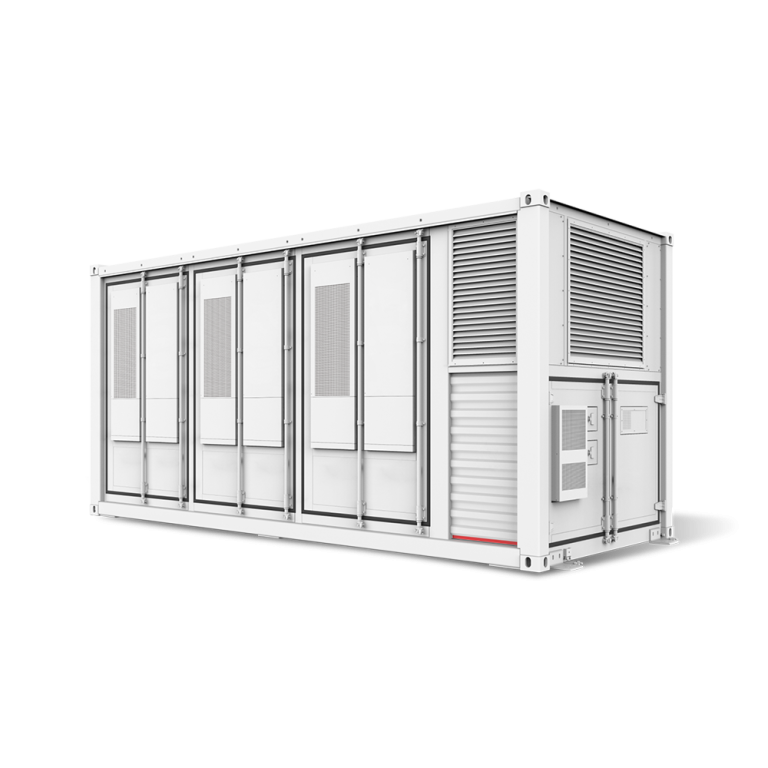
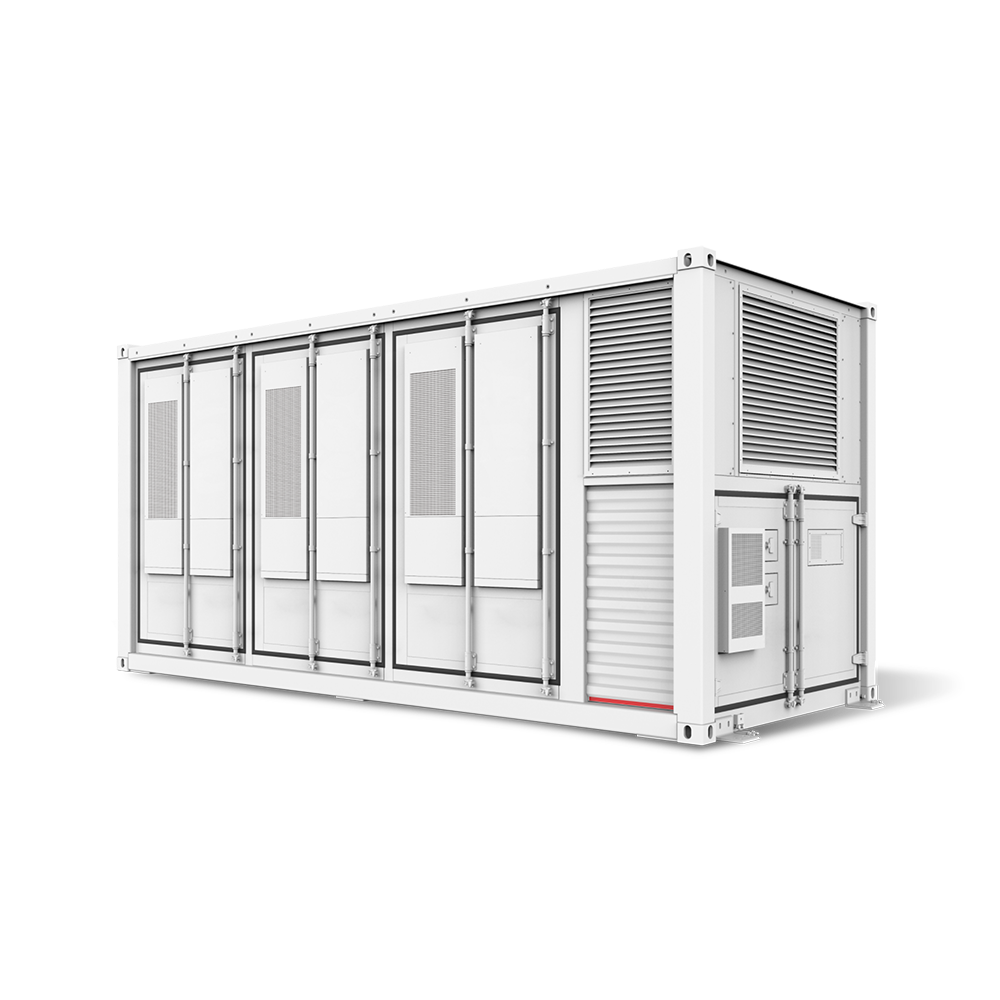
For a household considering how stored solar energy changes evening consumption and outage planning, the household, installer and future service technician need to identify which assumptions change costs or expected benefits. That review should cover utilization, operating cost and lifecycle evidence, because the ultimate objective involves comfort, verifiable energy savings, electrical safety and long-term maintainability. For many organizations, the difficult question is not which feature sounds attractive but how a complete installation will perform after handover. A good plan links these practical questions to tests, documented responsibilities and realistic site conditions.Give monitoring a purpose
A dashboard is valuable when it helps someone spot unexpected consumption, check production trends or recognise a device fault. Useful alerts need a practical response path rather than an endless stream of notifications.
Life and warranties
Cycle conditions, temperature and usage profiles can affect degradation and financial expectations. The owner can ask the designer to identify the measurement that would confirm this expectation after the system is commissioned.
Evaluate lifecycle costs
Upfront equipment cost is only one component of the decision. Maintenance access, warranties, replacement parts, tariff changes and likely equipment life should be reflected in a cautious, documented financial case.
Useful capacity
Advertised energy capacity and practically usable capacity may differ with state-of-charge limits and operating conditions. The responsible team should keep evidence of the assumptions and explain which conditions would trigger a design review.
For budgeting purposes, treat solar battery storage system as a reference for available solution areas, while calculating installed cost and service needs from the actual project scope.
Back-up scope
Critical loads, restart behavior and expected outage length determine which backup arrangements are appropriate. Any related promise should be linked to a documented test method and to the operating conditions for which it applies.
Future household use
Electrification of heating or transport could alter the expected load and ideal dispatch strategy. The owner can ask the designer to identify the measurement that would confirm this expectation after the system is commissioned.
Commercial reviewers can place solar battery storage system next to a lifecycle cost model, keeping purchase specifications separate from uncertain revenue forecasts.
Control choices
An energy management strategy decides when the battery charges, discharges or maintains a reserve. An independent operational check can show whether the plan reflects everyday use rather than an idealized demonstration.
Solar coordination
Inverter and battery communications need compatible control signals and clear error handling. If later expansion is likely, the project should document both the technical interface and any new approval that could be needed.
For a solar battery storage system, the decisive question is whether the specified functions can be supported by site evidence, safe procedures and an accountable operating model. Each requirement should be reviewed against the actual project, not assumed to apply everywhere.
Keep the business case measurable
A practical review records investment assumptions and compares expected performance with observed conditions. Documented variance matters more than a promise that all projects will behave alike.