At RP Auto Detailing ICT, carpet and upholstery extraction is the deep-clean method that helps your cabin feel fresher, look newer, and stay comfortable longer, especially if daily drives around Wichita include coffee runs, school pickups, or pet passengers.
What “Extraction” Really Does and Why It’s Different?
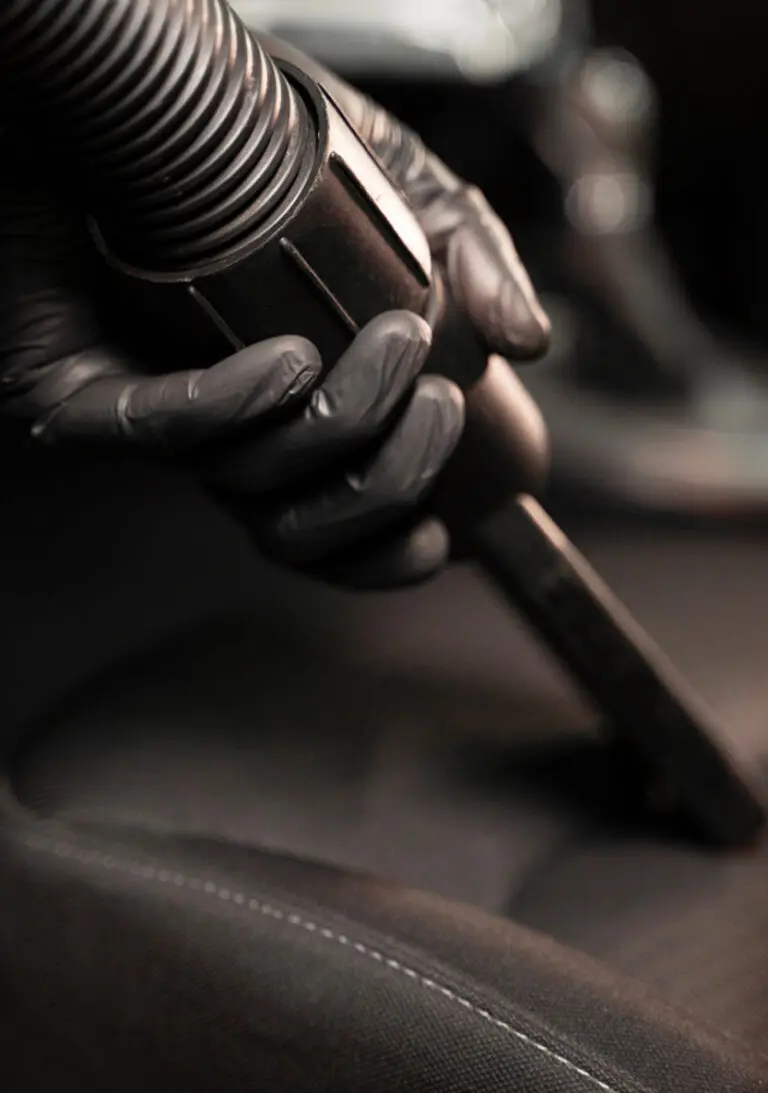
Vacuuming pulls loose debris from fibers. Surface scrubbing loosens grime at the top layer. Extraction goes further by flushing embedded soil and residues out of the fabric, then removing that moisture with powerful suction.
Think of it as rinsing and lifting what ordinary interior cleaning can’t reach:
- Pre-treatment targets stains so they release from fibers.
- Dwell time allows cleaners to break bonds with dirt and oils.
- Agitation (soft brushing or fabric-safe pads) brings grime to the surface.
- Hot-water extraction rinses and pulls out the loosened contamination.
- Neutralizing and drying help fibers feel soft, not crunchy, and reduce the chance of re-soiling.
The result: seats and carpets that look clean, feel clean, and smell clean without heavy perfumes or sticky residue.
Signs Your Interior Is Ready For Extraction
If any of these sound familiar, it’s time to schedule a session:
- Lingering odors from spills, pets, or smoke that keep coming back.
- Matted or crunchy fibers that feel stiff even after vacuuming.
- Dark traffic lanes on floor mats and footwells where shoes land.
- Salt, mud, or winter grime ground into carpet from Midwest seasons.
- Spill halos that reappear after a quick wipe, the classic sign of residue wicking back to the surface.
In Wichita, dust and pollen can also settle into fibers. Extraction helps lift that build-up so daily drives feel more comfortable.
What A Professional Extraction Service Includes
A well-run process follows a consistent, fabric-safe sequence:
- Inspection & testing – Check fiber type and colorfastness to choose the right solution and method.
- Thorough vacuuming – Remove as much dry soil as possible; this protects fibers during wet steps.
- Pre-treat stains – Coffee, dye transfer, makeup, food, and protein spots get targeted treatments.
- Fabric-safe agitation – Light brushing or an upholstery tool helps cleaners reach the base of the pile.
- Hot-water extraction – Controlled passes rinse contaminants and immediately pull out the dirty solution.
- Neutralize & groom – A final pass smooths fibers and reduces residue that can attract dirt.
- Drying & airflow – Air movers and door-open ventilation support fast, even drying.
- Final check – Revisit any stubborn areas, then reinstall mats and protectants as needed.
You get a cabin that looks refreshed and feels more inviting, without slick textures or overpowering scents.
DIY vs. Pro: When To Call In Help
Retail machines can be useful for small spills if you act quickly. For whole-cabin projects, professional equipment and know-how make the difference:
- Heat & lift: Professional extractors maintain consistent temperature and suction, which helps remove stubborn residues from the base of the fibers.
- Stain logic: Certain spots, protein, tannin, dye transfer, respond to specific chemistries and pH ranges. Using the right order prevents setting stains.
- Moisture control: Over-wetting can cause browning, odors, or even mildew. Trained techs meter moisture and prioritize fast drying.
- Even results: Uniform cleaning avoids patchy “clean rings” or texture differences across seats and carpets.
For leased vehicles, family haulers, or vehicles headed for sale, professional work pays off in presentation and comfort.
Care Tips Between Extraction Appointments
Treat extraction as a reset. Then keep your interior looking good with simple habits:
- Contain dirt at the door: Use deep-groove rubber mats in rainy or snowy months, and knock soles before stepping in.
- Blot – don’t rub – spills: Press with a clean microfiber or paper towel to pull liquid up from the fibers. Rubbing spreads the spot and frays the pile.
- Use a fabric-safe spotter: Keep a small, pH-balanced interior cleaner in the trunk. Test in a hidden area first.
- Vacuum regularly: A quick weekly pass removes abrasive grit that grinds fibers down.
- Protect high-touch zones: Seat bolsters and armrests collect body oils. A light, fabric-appropriate protectant helps future cleanup.
- Mind the climate: After wet weather or big spills, crack windows in a safe place to help moisture evaporate.
Stain Playbook: Fast Steps for Common Mishaps
- Coffee & soda: Blot, apply a mild interior cleaner, blot again. Follow with a damp towel to lift remaining sugars.
- Grease & sauces: Use a dedicated interior cleaner rated for oils. Work gently and blot; avoid oversaturating.
- Ink & dye transfer: Stop rubbing. Some inks dissolve and spread. Professional spot treatment is recommended.
- Pet accidents: Remove solids, blot, then apply an enzyme-based cleaner per label directions. Airflow is your friend.
- Salt rings (winter): A warm damp towel loosens deposits; then use an interior cleaner and blot. Extraction removes the last of the white halo.
Mistakes To Avoid
- Too much product: Over-application leaves residue that attracts dirt.
- Skipping vacuuming: Dry soil acts like sandpaper during wet cleaning.
- Heat on delicate fabrics: Alcantara and some synthetics need careful handling.
- Household cleaners: Many are too harsh for automotive textiles and can cause fading or tacky surfaces.
- Closing the car while wet: Trapped humidity slows drying and can leave musty odors.
How Often Should Extraction Be Done?
Frequency depends on use, passengers, climate, and spill history:
- Daily driver with kids or pets: 2 – 3 times per year, with quarterly vacuuming and quick spot care.
- Commuter with solo driver: 1 – 2 times per year, plus regular vacuuming.
- Pre-sale or lease return: Schedule extraction before photos or inspections for a fresher look and feel.
If odors persist or fibers feel stiff shortly after a routine clean, that’s a strong cue for a full extraction service.
Value You Can See and Breathe
A truly clean interior does more than look sharp. It helps your cabin feel better to spend time in:
- Comfort: Softer, fluffier fibers underfoot and smoother seat surfaces.
- Appearance: Richer, more uniform color with fewer shadowy traffic lanes.
- Freshness: Odor sources are removed, not just covered.
- Longevity: Grit and salt are abrasive; removing them helps fibers last.
- Resale friendliness: A tidy cabin photographs better and suggests careful ownership.
Quick Pre-Appointment Checklist
Use this simple list before your service to save time and help achieve consistent results:
- Remove personal items from under seats, door pockets, and the trunk.
- Share any known stains (coffee, milk, pen ink, pet spots) and when they happened.
- Mention any prior cleanings or products used.
- Request attention to baby seats or pet zones if applicable.
- Plan a pickup window that allows full drying time.
Wichita Drivers: A Local Note
The region’s mix of hot summers, stormy days, and dusty winds can push grit deep into carpet piles. Winter road treatments and spring pollen add to the challenge. Regular vacuuming, quick spill response, and periodic extraction keep that cycle in check so your interior stays pleasant year-round across Wichita drives.
For a cabin that feels fresh, looks uniform, and stays comfortable, carpet and upholstery extraction remains the gold-standard reset for modern interiors.
To set up service with RP Auto Detailing ICT, schedule a convenient appointment online and enjoy a cleaner, calmer drive across Wichita and nearby communities.
RP Auto Detailing ICT
Email: [email protected]
Phone: (316) 655-3741
Website: https://rpautodetailingict.com
8215 33rd Ct S, Wichita, KS 67210, USA