
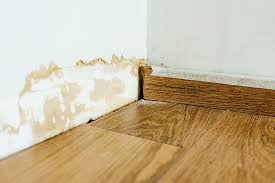
Water is silent when it slips in. You don’t always hear a leak. You may not even see a puddle. But weeks later, your wall starts to bubble. Paint peels. A musty smell lingers. And by then, the damage is no longer just cosmetic — it’s structural.
Many property owners discover water damage in walls too late. The water hides behind drywall and silently weakens your home or business. Acting fast and knowing what to look for makes all the difference.
In this guide, we break down how wall water damage starts, how to spot it, and what to do before the problem gets out of hand.
The Hidden Nature of Water Damage in Walls
Walls are meant to keep water out. But even a small leak can work its way in and cause major issues over time. The damage often happens inside the wall cavities, where insulation, wood framing, and wiring all sit together.
You may not see the water directly. Instead, you’ll see signs of its damage — cracks, warped plaster, or a musty smell. Moisture trapped behind walls creates the perfect breeding ground for mold and slowly weakens materials you rely on to support the building.
How Water Gets Inside Walls
There are several common ways water can seep into your walls, often without obvious flooding or puddles.
1. Roof Leaks
A damaged roof or missing shingles let rainwater drip down into ceiling cavities and behind walls.
2. Plumbing Issues
Pipes that run through walls can develop slow leaks. A pinhole or loose joint is enough to saturate the surrounding insulation or wood.
3. Bathroom or Kitchen Moisture
Improper sealing around bathtubs, sinks, or backsplashes allows water to escape and soak into nearby walls.
4. Poor Exterior Drainage
Water pooling near your home’s foundation can enter through cracks in the base of the wall, especially during heavy rain or floods.
5. Window Leaks
Poorly sealed windows or cracked frames let rain in, which then drips into the wall cavity below or around the window.
Signs You Might Have Water Damage in Your Walls
Since the damage is often hidden, learning to spot the early warning signs is key.
- Peeling or bubbling paint
- Stains or discoloration on walls or ceilings
- Musty or damp smells
- Warped or bulging wall surfaces
- Soft or spongy drywall when pressed
- Sudden mold growth or mildew patches
Any of these signs can point to trapped moisture. If more than one is present, immediate inspection is needed.
Why You Shouldn’t Ignore Water Damage in Walls
Many people try to paint over the stains or wait for things to dry out. That’s not a real solution. Ignoring wall water damage can lead to serious problems, including:
- Structural weakening — Wet wood and drywall lose their strength
- Mold and health risks — Damp walls encourage mold that can spread and affect air quality
- Electrical dangers — Water in walls can damage wiring or cause short circuits
- Rising repair costs — The longer the damage stays untreated, the more expensive it becomes to fix
Restoration professionals often find that the visible stain on a wall is just the tip of the iceberg.
How Professionals Handle Water Damage in Walls
When you contact a water damage restoration team, they use tools and methods that go beyond surface cleaning. Here’s how they typically approach the problem:
Step 1: Moisture Detection
Using moisture meters and thermal cameras, they check inside the walls for hidden damp spots.
Step 2: Wall Drying and Dehumidification
Special drying equipment, like air movers and dehumidifiers, pulls moisture from deep within the walls and surrounding materials.
Step 3: Wall Removal (If Needed)
If the drywall is too damaged or moldy, it may be removed entirely. This allows technicians to clean behind it and dry any wood or insulation.
Step 4: Mold Prevention and Cleaning
Antimicrobial treatments stop mold before it spreads, especially in dark, humid wall cavities.
Step 5: Repairs and Rebuilding
Finally, the team patches, paints, or fully replaces affected wall sections to restore your property.
How to Prevent Wall Water Damage
While not every leak is preventable, good habits and regular checks can lower your risk of long-term damage.
- Inspect roofs and gutters regularly to keep water flowing away from the home
- Seal windows, tubs, and tile joints with quality waterproof caulk
- Check for plumbing leaks in kitchens and bathrooms
- Install moisture sensors or leak alarms behind dishwashers or near water heaters
- Ensure proper exterior drainage away from your home’s foundation
Preventing water damage is far cheaper than repairing it. Just a yearly inspection can save you thousands later.
When to Call a Professional
You don’t need to wait until you see black mold or soaked drywall. If you even suspect water damage in walls, it’s smart to consult an expert.
Call a certified restoration team if:
- You smell dampness but can’t find the source
- A pipe burst or overflow reached the walls
- You see paint bubbling or new stains forming
- Mold appears despite cleaning
- You have moisture behind bathroom or kitchen walls
They have tools and experience the average homeowner simply doesn’t. Acting early often means simpler, faster, and cheaper repairs.
Conclusion: Don’t Let Hidden Water Destroy Your Walls
Walls don’t speak, but they show signs. A crack, a smell, a strange spot of mold — all are warnings. When you notice them, don’t wait.
Water damage in walls is not just a maintenance issue. It’s a risk to your home’s structure, your health, and your financial well-being. Professional restoration is the safest, most effective way to deal with hidden water problems. The sooner you take action, the less you’ll have to fix.
So check behind that bubbling paint. Pay attention to those unexplained smells. Trust your instincts. What’s behind the wall could be the most important part of your next home project — and catching it early makes all the difference.