
Plastic surgery has become an integral part of the medical field, offering solutions that range from reconstructive procedures to aesthetic enhancements. Understanding the role of a plastic surgeon involves recognizing the breadth of their expertise, the steps involved in a patient’s journey from consultation to recovery, and the critical aspects of patient care that ensure optimal outcomes.
The Initial Consultation: Setting Expectations
The journey with a plastic surgeon begins with an initial consultation, a crucial step where the foundation of the patient-surgeon relationship is established. During this meeting, the plastic surgeon evaluates the patient’s medical history, discusses their goals and expectations, and conducts a thorough physical examination. This stage is vital for setting realistic expectations and ensuring that the patient understands the potential outcomes and risks associated with the procedure.
Communication during the consultation is key. The plastic surgeon must listen attentively to the patient’s concerns and desires, providing clear and honest feedback. This helps in formulating a personalized treatment plan that aligns with the patient’s aesthetic or reconstructive goals. Additionally, the surgeon will explain the different surgical options, the benefits and drawbacks of each, and the likely recovery process.
Preoperative Preparation: Planning for Success
Once the treatment plan is agreed upon, the next phase involves preoperative preparation. This stage includes scheduling the surgery, completing necessary pre-surgical tests, and providing detailed instructions on how to prepare for the procedure. The plastic surgeon may advise patients on lifestyle adjustments, such as quitting smoking or adjusting medications, to minimize surgical risks and enhance healing.
During this period, patients are encouraged to ask any lingering questions and address any concerns they may have. A well-informed patient is better prepared for the surgery, both mentally and physically, which can significantly improve the overall experience and outcomes.
The Surgical Procedure: Expertise in Action
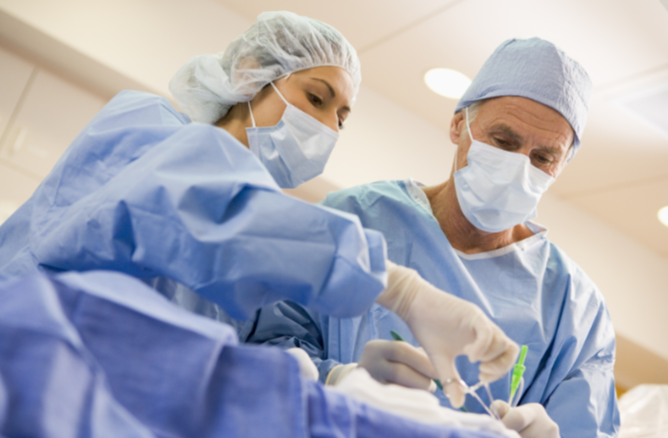
On the day of the surgery, the plastic surgeon’s skills and expertise come to the forefront. Whether performing a complex reconstructive surgery or a routine cosmetic procedure, the surgeon’s precision and attention to detail are critical. The operating room is a highly controlled environment where the plastic surgeon works alongside a team of anesthesiologists, nurses, and surgical technicians to ensure the procedure goes smoothly.
Plastic surgeons are trained in a variety of techniques, allowing them to tailor their approach to the specific needs of each patient. For example, reconstructive surgeries might involve intricate tissue transfers or microsurgery to restore function and appearance after trauma or illness. Cosmetic procedures, on the other hand, focus on enhancing the patient’s appearance through techniques such as liposuction, breast augmentation, or facelifts.
Postoperative Care: Ensuring Safe Recovery
The role of a plastic surgeon extends well beyond the operating room. Postoperative care is a critical phase where the surgeon monitors the patient’s recovery, manages any complications, and provides guidance on how to care for surgical sites. Follow-up appointments are scheduled to ensure that the healing process is progressing as expected and to address any issues that may arise.
Patients receive detailed instructions on wound care, activity restrictions, and medications to prevent infection and manage pain. The plastic surgeon also educates patients on recognizing signs of complications, such as excessive swelling, bleeding, or infection, and advises them on when to seek medical attention.
Long-Term Follow-Up: Achieving Optimal Results
Achieving the best possible results from plastic surgery often requires long-term follow-up care. This allows the plastic surgeon to evaluate the success of the procedure, make any necessary adjustments, and ensure that the patient is satisfied with the outcome. For some reconstructive surgeries, additional procedures may be needed to achieve the desired results, and these are planned and executed with the same level of care and precision as the initial surgery.
In cosmetic surgery, the final results may take several months to fully manifest as swelling subsides and tissues settle into their new contours. The plastic surgeon provides ongoing support and reassurance during this period, helping patients navigate their recovery and adjust to their new appearance.
Conclusion
The role of a plastic surgeon is multifaceted, encompassing consultation, surgical expertise, and comprehensive postoperative care. From the initial meeting to the final follow-up, plastic surgeons are dedicated to helping patients achieve their aesthetic and reconstructive goals while ensuring their safety and well-being. By understanding the extensive responsibilities and the meticulous care involved in plastic surgery, patients can make informed decisions and approach their journey with confidence and peace of mind.