Soffit and fascia play crucial roles in both the functionality and aesthetics of a roof. Proper installation of soffit and fascia not only enhances the overall appearance of the roof but also protects the underlying structure from moisture damage and pests. In this comprehensive guide, we’ll explore the techniques and trends in soffit and fascia installation, providing valuable insights for homeowners and contractors alike.
Understanding Soffit and Fascia – What is Soffit?
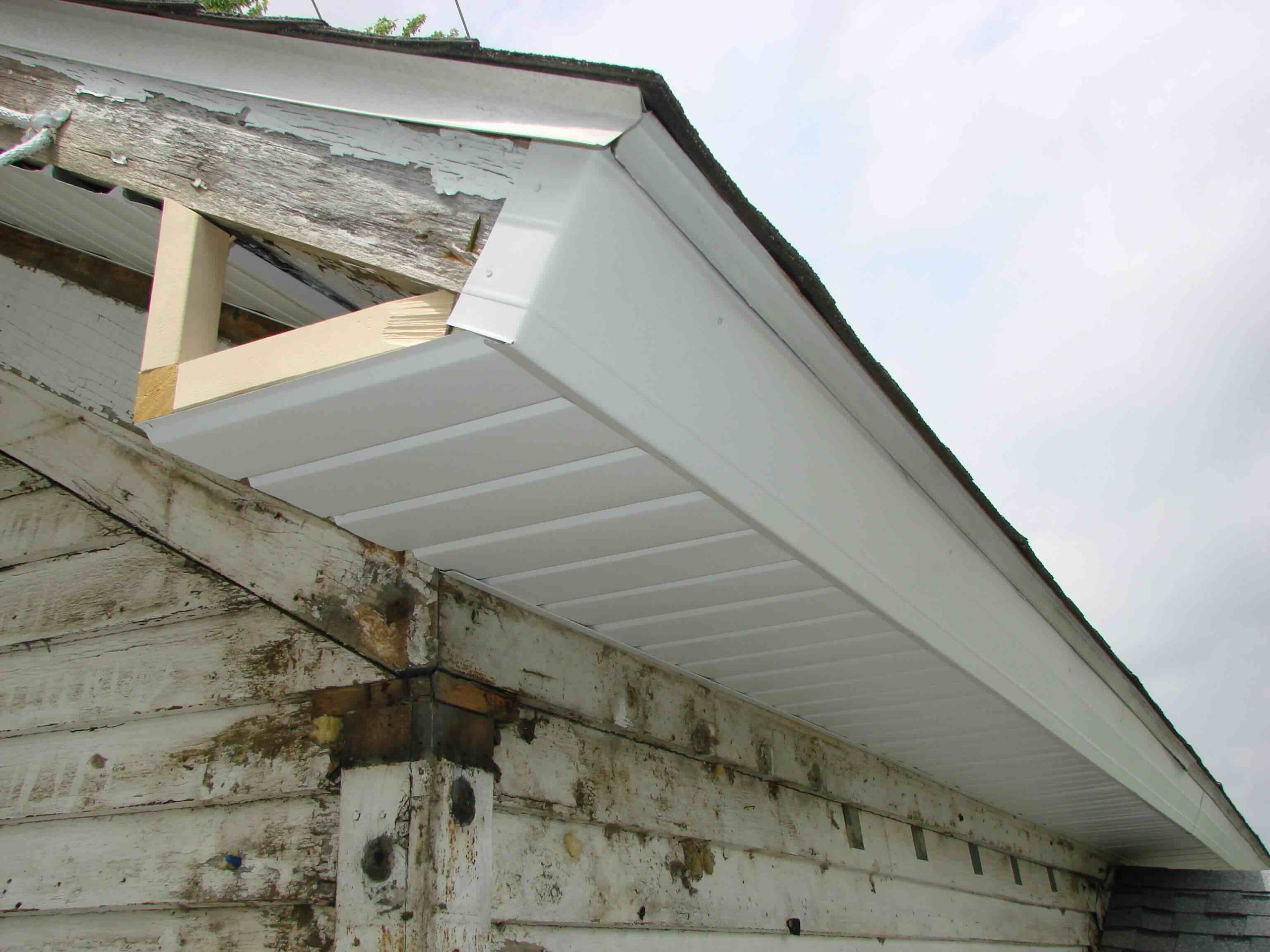
Soffit refers to the underside of the roof’s overhang, providing ventilation and aesthetic appeal to the eaves of a building. Soffit panels are typically made from vinyl, aluminum, or wood and come in a variety of styles and colors to complement the overall design of the home.
What is Fascia?
Fascia is the vertical finishing edge that runs along the lower edge of the roof, connecting the ends of the rafters or trusses. It serves as a protective barrier against water damage and provides a finished look to the roofline. Like soffit, fascia boards are available in different materials such as vinyl, aluminum, and wood.
Techniques for Soffit and Fascia Installation
1. Proper Measurement and Preparation
Before installing soffit and fascia, it’s essential to accurately measure the dimensions of the roofline and ensure that the underlying structure is free from any damage or deterioration. Proper preparation helps prevent installation issues and ensures a seamless finish.
2. Soffit Ventilation Installation
Proper ventilation is critical to maintaining the health of the roof and preventing moisture buildup in the attic space. During soffit installation, ventilation panels or perforated soffit materials are incorporated to allow air to flow freely, promoting optimal airflow and preventing condensation.
3. Secure Fascia Attachment
Fascia boards should be securely attached to the roof rafters or trusses using corrosion-resistant fasteners. Proper attachment ensures that the fascia remains stable and provides adequate support for the gutter system.
4. Seamless Integration
Achieving a seamless integration between soffit, fascia, and other roofing components is essential for a polished and professional finish. Careful attention to detail during installation ensures that joints are properly sealed, and transitions are smooth, enhancing the overall appearance of the roofline.
Trends in Soffit and Fascia DesignModern Materials and Finishes
Recent trends in soffit and fascia design focus on modern materials and finishes that offer durability, low maintenance, and aesthetic appeal. Homeowners have a wide range of options, including vinyl, aluminum, and composite materials, available in various colors and textures to complement different architectural styles.
Architectural Accents
Soffit and fascia are increasingly being used as architectural accents to add visual interest and character to the roofline. Decorative trim elements, such as crown molding or corbels, can be incorporated into the design to create a custom look and enhance curb appeal.
Sustainable Solutions
With a growing emphasis on sustainability, there is a rising demand for eco-friendly soffit and fascia materials made from recycled or renewable sources. Homeowners are seeking energy-efficient options that contribute to environmental conservation without compromising on quality or performance.
Soffit and fascia installation are essential components of roofing projects that require careful planning, attention to detail, and adherence to best practices. By understanding the techniques and trends in soffit and fascia installation, homeowners and contractors can transform their roofs into functional, aesthetically pleasing, and sustainable structures that enhance the overall value and appeal of their properties. Whether you’re embarking on a new construction project or renovating an existing home, incorporating modern soffit and fascia design elements can elevate the look and performance of your roof for years to come. Discover the perfect solutions for your home at Innovative Roofing Pros.