Problems with robotics safety are easier to solve when the symptom is described precisely. Unexpected movement, bypassed safeguards, poor recovery procedures, or unsafe maintenance can come from setup, environment, software, or unrealistic expectations about what the system is designed to do. The practical objective is to verify emergency and protective controls before normal operation. Alongside manufacturer documentation, industrial technology guidance can help readers build a wider technical frame of reference. Begin with the conditions you can control, then move toward more complex hardware or service explanations only if the basic checks do not help.
Five Platforms and Products Worth Understanding
A technology issue is often the result of two small weaknesses appearing together: a marginal physical setup plus an aggressive software setting, or a secure device attached to a weak account. Looking at several real platforms makes those dependencies easier to see. The examples below cover common approaches to robotics safety without pretending that one vendor is universally better for every user or organization.
1. Universal Robots
Universal Robots collaborative arms include configurable safety functions intended to support risk-reduced applications, but the robot alone does not make an application safe. Tooling, workpiece hazards, speed, force, and the surrounding process still require a proper risk assessment. Its role in the market illustrates how compare documented setup requirements before assuming every similar symptom has the same cause.
2. FANUC
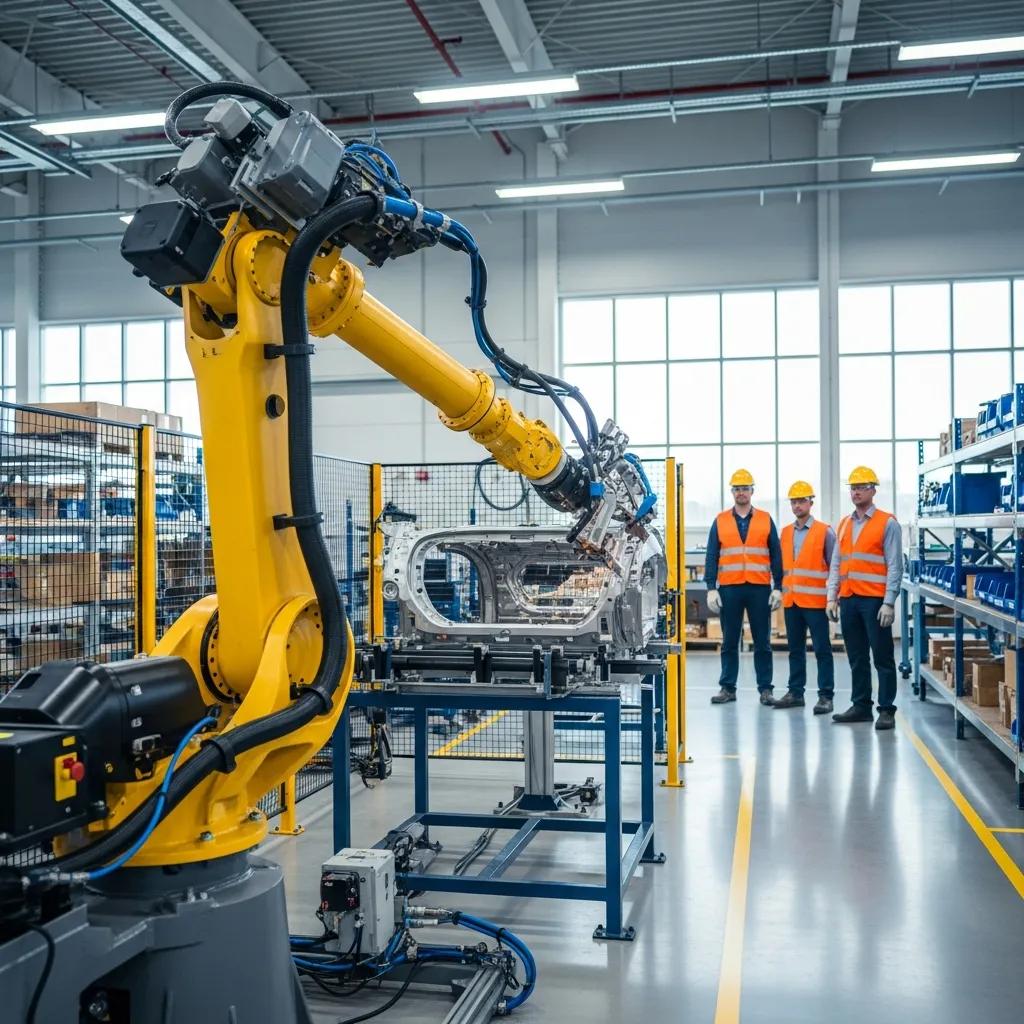
FANUC industrial robots are commonly installed inside automated cells with guarding, interlocks, and controller safety functions. Operators should verify emergency stops and access controls after maintenance because a production program can run correctly even if a protective device has been defeated or miswired. The product family is worth examining because compare documented setup requirements before assuming every similar symptom has the same cause.
3. ABB Robotics
ABB robotic systems support safety functions for industrial and collaborative applications. Safe operation depends on validated limits, controlled access, correct tooling, and procedures for teaching and recovery, especially when people need to enter the work area. What matters here is not the brand name alone but how compare documented setup requirements before assuming every similar symptom has the same cause.
4. KUKA
KUKA robots can be integrated with external safety devices, cell controllers, and tools. Any change to layout, software, payload, or peripherals can alter the risk picture, so safety checks should follow modifications rather than waiting for the next scheduled audit. This platform is a useful reference because compare documented setup requirements before assuming every similar symptom has the same cause.
5. Yaskawa Motoman
Yaskawa Motoman robots are used in applications that may involve heavy payloads, welding, and high-speed motion. Emergency stop circuits, guarding, safe teaching practices, and lockout procedures should be verified as part of the cell, not considered separate from programming. For this issue, the practical point is that compare documented setup requirements before assuming every similar symptom has the same cause.
What Should You Check Before Changing Anything?
A good decision process asks what can be measured before asking what can be replaced. Broader automation safety insights can help frame the issue, while the actual fix should be tested against the product’s documented behavior. Test emergency stops, guard switches, light curtains or scanners, safe-speed functions, and recovery behavior according to the documented safety plan. Never bypass a protective device to save cycle time. Maintenance and teaching modes need clear rules for who can enter the cell, what energy sources are controlled, and how motion can be restarted without surprising someone nearby. Once the system is stable, avoid continuing to change settings merely because more options are available.
Frequently Asked Questions
Does a collaborative robot mean guarding is never required?
No. Collaborative capability does not automatically make every application safe. The tool, payload, speed, workpiece, nearby equipment, and task can create hazards that still require guarding or other controls.
When should emergency stop systems be tested?
Testing frequency should follow the equipment documentation, risk assessment, and applicable workplace requirements. They should also be checked after safety-related maintenance, wiring changes, or modifications that could affect the circuit.
Why are robot recovery procedures important?
After a fault or emergency stop, people may be inside the work area or equipment may be in an unusual state. A controlled recovery process prevents unexpected restart and secondary collisions.
A Practical Way Forward
Robot safety is a system property, not a checkbox on the arm. Safeguards, procedures, tooling, software, and people must work together under normal and fault conditions. Test emergency controls before production and again whenever the cell changes. Broader robotics systems guidance can add useful perspective when the issue connects to networks, software, or infrastructure. Keep the final decision tied to observed behavior and current manufacturer guidance rather than assumptions carried over from a different product.