
Laser cutting has emerged as a transformative technology in modern manufacturing, redefining precision, efficiency, and versatility across various industries. This article explores how laser cutting technology is revolutionizing manufacturing processes, highlighting its benefits, applications, and future prospects.
The Evolution of Laser Cutting Technology
Laser cutting, a technique that uses focused laser beams to cut and engrave materials with high precision, has evolved significantly since its inception. Originally developed in the 1960s, the technology has seen continuous advancements, making it an integral component of modern manufacturing. The precision and versatility of laser cutting have enabled manufacturers to achieve higher levels of accuracy and efficiency in production.
Benefits of Laser Cutting in Manufacturing
1. Unmatched Precision and Accuracy
One of the primary advantages of laser cutting is its unparalleled precision. Laser beams can cut through materials with extreme accuracy, allowing for intricate designs and complex geometries that would be challenging to achieve with traditional cutting methods. This precision minimizes waste and ensures high-quality end products, meeting stringent industry standards.
2. Versatility in Material Processing
Laser cutting is remarkably versatile, capable of processing a wide range of materials, including metals, plastics, ceramics, and textiles. This adaptability makes it an ideal choice for diverse manufacturing applications, from automotive and aerospace to fashion and electronics. The ability to handle various materials with consistent quality enhances the flexibility of manufacturing processes.
3. Reduced Production Time
The efficiency of laser cutting contributes to significant reductions in production time. Laser systems operate at high speeds, cutting materials quickly without the need for extensive tooling changes. This efficiency accelerates the manufacturing process, enabling quicker turnaround times and increased production capacity.
4. Minimized Material Waste
Laser cutting is known for its minimal material waste. The precision of the laser beam allows for accurate cuts with minimal kerf (the width of the cut), reducing the amount of scrap material generated. This not only lowers material costs but also aligns with sustainable manufacturing practices by minimizing waste.
Applications of Laser Cutting in Modern Manufacturing
1. Automotive Industry
In the automotive industry, laser cutting plays a crucial role in producing high-precision components and parts. From cutting intricate patterns in body panels to creating precise holes and slots in engine components, laser cutting enhances the quality and performance of automotive products. Its ability to handle high-strength materials and complex geometries makes it indispensable in this sector.
2. Aerospace Sector
The aerospace industry demands stringent standards for precision and reliability, making laser cutting an essential technology. Laser cutting is used to fabricate critical components such as turbine blades, structural elements, and avionics parts. Its ability to deliver consistent quality and accuracy is vital for ensuring the safety and performance of aerospace systems.
3. Consumer Electronics
In the realm of consumer electronics, laser cutting is employed to manufacture intricate parts and enclosures. The technology enables the production of precise and complex designs for devices such as smartphones, tablets, and wearables. Laser cutting ensures that electronic components fit together seamlessly, contributing to the overall functionality and aesthetics of the final product.
4. Textile Industry
Laser cutting has also made its mark in the textile industry, where it is used to cut and engrave fabrics with high precision. This technology allows for the creation of detailed patterns and designs on textiles, facilitating the production of customized apparel and accessories. The ability to handle various fabric types and thicknesses makes laser cutting a valuable tool in fashion and garment manufacturing.
Future Trends in Laser Cutting Technology
As technology continues to advance, laser cutting is expected to evolve further, offering even greater capabilities and benefits. Future trends in laser cutting technology include:
1. Integration with Automation
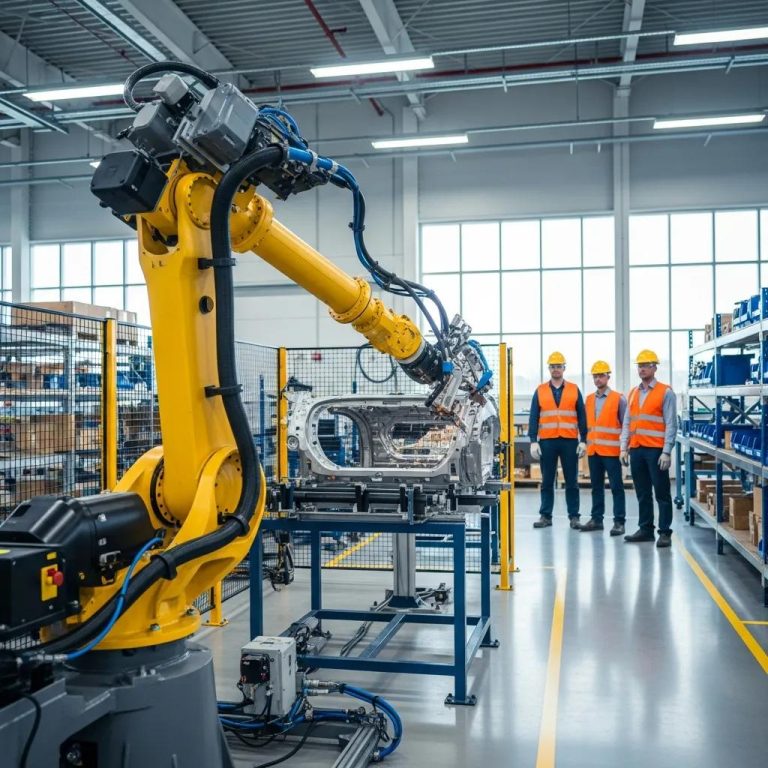
The integration of laser cutting systems with automation and robotics is anticipated to enhance manufacturing efficiency. Automated laser cutting systems can operate continuously, reducing manual intervention and increasing production throughput. This integration will further streamline manufacturing processes and optimize operational performance.
2. Enhanced Laser Beam Technologies
Advancements in laser beam technologies, such as the development of high-power and ultra-fast lasers, will expand the range of materials that can be processed and improve cutting speeds. These innovations will enable manufacturers to tackle more challenging applications and achieve even higher levels of precision.
3. Increased Focus on Sustainability
Sustainability will continue to be a key focus in laser cutting technology. Efforts to reduce energy consumption, minimize material waste, and improve recyclability will drive the development of environmentally friendly laser cutting solutions. These initiatives will support the broader goals of sustainable manufacturing and environmental stewardship.
Conclusion
Laser cutting has revolutionized modern manufacturing by offering unparalleled precision, versatility, and efficiency. Its impact is evident across various industries, from automotive and aerospace to textiles and consumer electronics. As technology advances, laser cutting will continue to play a pivotal role in shaping the future of manufacturing, driving innovation, and enhancing production capabilities. Embracing the potential of laser cutting technology will empower manufacturers to achieve new heights of excellence and meet the evolving demands of the industry.