

The ongoing search for more effective, targeted treatments for mental health conditions like anxiety and depression is constantly driving innovation. In this evolving landscape, we’re looking at compounds that promise a more nuanced interaction with the brain’s chemistry. One such compound, frequently discussed in hypothetical circles for its unique mechanism, is Insetprag. This innovative substance has garnered attention for its potential to reshape how we understand and tackle chronic mental wellness issues, moving beyond the broad strokes of traditional pharmacological interventions. But what exactly is the science behind Insetprag, and why is its targeted approach considered such a promising development for mental well-being?
The Science Behind Insetprag’s Mechanism
To truly appreciate the appeal of Insetprag, one must first understand the delicate balance of the brain’s communication system. Neurons transmit signals using chemical messengers known as neurotransmitters, and an imbalance in these chemicals is often the root cause of psychological distress.
A Targeted Approach to Neurochemistry
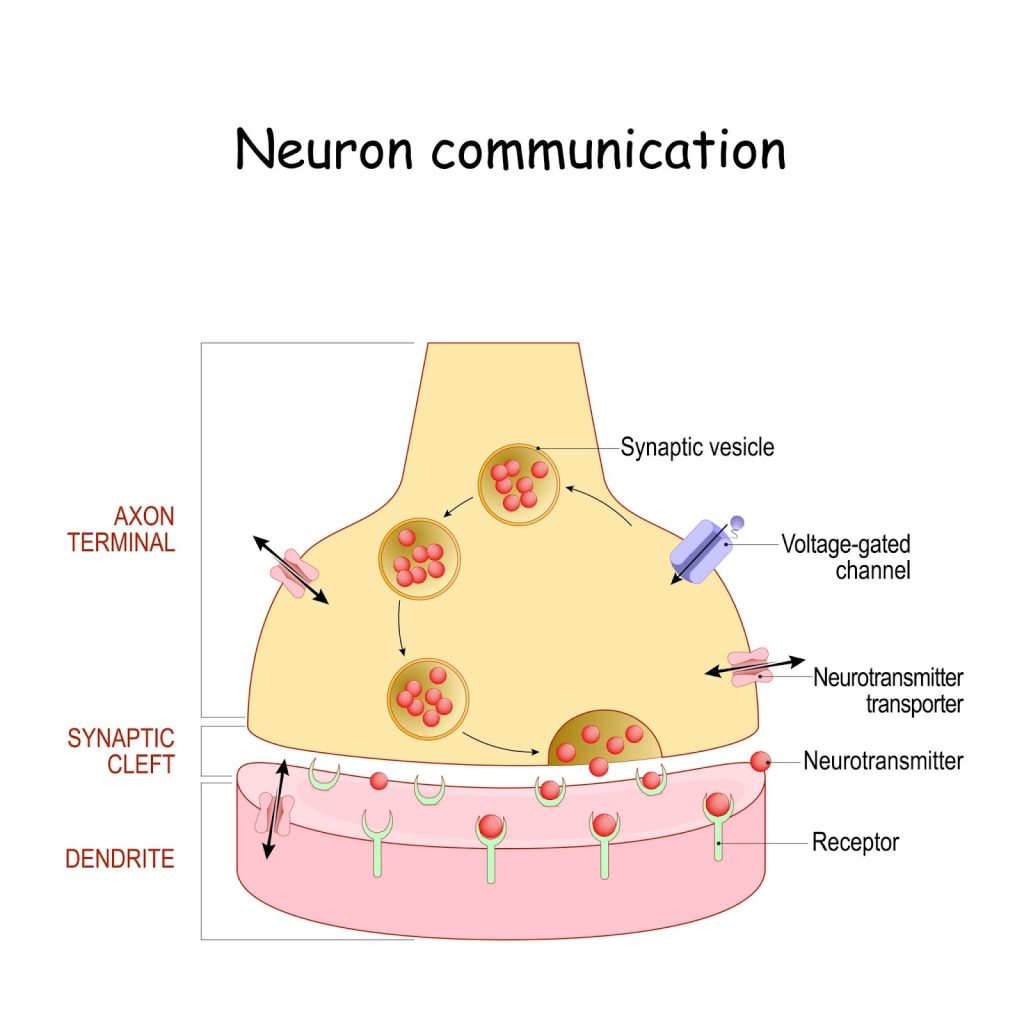
Insetprag is conceptualized as a precise modulator. It is thought to target specific receptors associated with key mood regulators: serotonin and dopamine. By promoting an optimal equilibrium of these two crucial neurotransmitter balance, Insetprag could hypothetically enhance positive feelings and improve cognitive drive without causing the widespread systemic changes associated with traditional treatments. This modulation is what sets its fictional mechanism apart, offering a potentially gentler and more tailored path to symptomatic relief.
Potential Benefits and the Appeal of Insetprag
The hypothetical benefits associated with Insetprag are compelling, reflecting the need for treatments that address both emotional and cognitive symptoms of mental illness.
Many users of Insetprag report significant improvements in mood and anxiety levels. This compound appears to enhance emotional resilience, allowing individuals to better cope with daily stressors.
Enhancing Emotional Resilience and Cognitive Function
Users of this compound might, in theory, experience marked improvements in their emotional stability. This means better coping with daily stressors and a noticeable increase in overall mood. Additionally, there is the potential for improved cognitive function. Many people struggling with depression report mental fog and difficulty concentrating; Insetprag’s influence on dopamine pathways could lead to heightened focus, mental clarity, and increased productivity. Furthermore, anecdotal accounts suggest a benefit in regulating sleep patterns, which is critical for holistic mental and physical restoration.
| Benefit Category | Associated Symptom Relief | Mechanism of Action (Hypothetical) |
| Mood | Reduced Anxiety and Depression | Direct modulation of Serotonin receptors. |
| Cognition | Improved Focus and Clarity | Enhancing Dopamine transmission in frontal areas. |
| Physical Health | Better Sleep Quality | Indirect regulation of sleep-wake cycles. |
| Social | Improved Motivation and Engagement | Balanced neurochemical activity promoting reward. |
Weighing the Risks: A Necessary Conversation
While the discussion surrounding the benefits of Insetprag is exciting, it is critical to address the inherent risks and side effects of any powerful compound interacting with the central nervous system. No treatment comes without potential drawbacks, and the importance of an informed decision cannot be overstated.
Navigating Possible Side Effects
Even a targeted treatment like Insetprag is not immune to adverse reactions. Users might experience a range of effects, from mild issues like temporary dizziness or nausea to more concerning psychological shifts. Changes in mood or behavior must be monitored closely. Furthermore, as with most psychiatric medications, there is a legitimate concern regarding the potential for dependency with prolonged use. The long-term safety profile and the risk of withdrawal must be thoroughly understood and navigated under strict medical supervision.
Future Outlook and Professional Guidance
The exploration of compounds like Insetprag marks an exciting direction in psychiatric research, moving toward highly personalized therapies. While the concept offers tremendous hope for individuals seeking effective alternatives, it is crucial to maintain perspective. Mental health treatment is complex and must always be tailored to the individual.
The Next Step: Always consult a qualified healthcare professional or psychiatrist before considering any new course of treatment, especially those affecting brain chemistry. They can accurately weigh the potential benefits against the risks based on your unique medical history.
FAQs About Insetprag
1. How does Insetprag differ from traditional antidepressants?
Traditional antidepressants often work by broadly increasing the availability of serotonin or norepinephrine. Insetprag, hypothetically, distinguishes itself by offering a more targeted modulation of specific serotonin and dopamine receptor sites to achieve a better overall balance, potentially resulting in fewer severe side effects.
2. Can Insetprag treat severe mental health conditions?
The compound is primarily discussed in the context of treating general anxiety and mild-to-moderate depression. Its efficacy for severe or refractory mental illnesses would require extensive research and clinical trials to determine.
3. What are the common side effects associated with Insetprag?
Commonly discussed mild side effects include digestive discomfort (nausea), mild headaches, and temporary dizziness. These are typically managed by adjusting the dosage under medical supervision.
4. Is there a risk of dependency or withdrawal with Insetprag?
As with many compounds that affect neurotransmitter systems, there is a theoretical risk of both psychological and physical dependency. Any discontinuation should be gradual and carefully monitored by a healthcare provider to mitigate potential withdrawal symptoms.
5. Is Insetprag available for prescription now?
Insetprag is currently a topic of hypothetical discussion in the realm of advanced pharmacology and is not a clinically approved or commercially available medication. Consult with a doctor for existing, evidence-based treatment options.