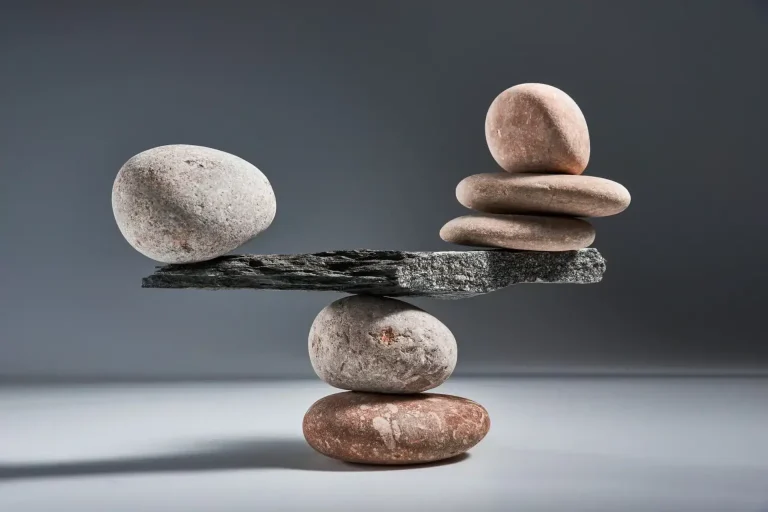

Minimalism is about focus and clarity. It helps you remove distractions, reduce stress, and build a more meaningful life. You do not need to throw everything away. You only need to keep what serves a purpose. Living simply gives you space to think, work, and rest better.
As codeslug explains, minimalism begins with awareness. You look at what adds value to your life and remove what doesn’t. It’s a gradual process, not a single decision.
Identify Why You Want Minimalism
Before you begin, ask yourself what you hope to achieve. Maybe you want more time, less stress, or financial control. Knowing your reason keeps you consistent when simplifying your life.
Write down your motivation. It will guide your decisions as you move forward.
Declutter One Area at a Time
Start small. Clean one drawer, one corner, or one closet. Sort items into three groups: keep, donate, or discard.
Minimalism is not about empty rooms. It’s about keeping what you actually use. Avoid storing things “just in case.” If you haven’t used something in six months, it’s likely unnecessary.
When you declutter slowly, you make lasting changes instead of quick fixes.
Focus on Quality
Buy fewer things but choose higher quality. Quality items last longer and save money over time.
Avoid cheap replacements that break easily. Choose furniture, clothes, and tools that are practical and durable.
Minimalism is about value, not numbers.
Simplify Your Home
Your environment affects your mind. A clutter-free home helps you think clearly. Keep flat surfaces empty and furniture simple.
Choose neutral colors that make rooms look calm. Avoid unnecessary decorations.
Make each item in your home functional or meaningful.
Reduce Digital Clutter
Minimalism also applies to your phone and computer. Delete apps you don’t use. Unsubscribe from spam emails.
Set time limits for social media. Spend that time reading, exercising, or working on a skill.
According to Daily Magazine World, managing digital clutter increases focus and improves daily productivity.
Spend Intentionally
Before buying something, ask if you truly need it. Avoid impulse shopping. Think about how often you will use the item and whether it adds long-term value.
Track your spending for a month. You will see patterns and learn where to cut waste.
Minimalism helps you build financial stability through awareness.
Create Simple Routines
Your daily routine should support your goals. Plan your mornings and evenings.
Wake up at the same time, eat balanced meals, and keep regular sleep hours.
You don’t need complex schedules. A simple, consistent plan saves time and mental energy.
Build a Capsule Wardrobe
Clothes take more space and time than most people realize. A capsule wardrobe simplifies that.
Keep versatile pieces that match easily. Choose neutral tones that work together.
When you dress with intention, you reduce decision fatigue and save time each morning.
Practice Gratitude
Minimalism grows stronger with gratitude. When you appreciate what you already have, you stop craving more.
Write down a few things you value each day. It helps you focus on what matters instead of what’s missing.
Manage Your Commitments
Minimalism also applies to how you spend time. Review your activities and remove what doesn’t align with your goals.
Say no to things that drain your energy. Protect your time for rest, family, and personal growth.
Disconnect from Constant Noise
Create quiet moments in your day. Avoid multitasking. Turn off background noise when working.
Silence helps you think and notice small details you often miss.
Be Mindful of Your Surroundings
Pay attention to your environment. Keep spaces open and organized. Use natural light when possible.
If an object does not make your life easier or bring real joy, remove it.
Minimalism and Relationships
When you simplify your life, your relationships improve. You spend time with purpose instead of distraction.
Meet people face to face, not only online. Listen more, talk less. Meaningful relationships grow in calm environments.
Learn to Let Go
Letting go is part of the process. Items, habits, and even people may not fit your new lifestyle.
You don’t need to hold on to everything. Change is a sign of progress.
Review and Adjust Regularly
Minimalism is not a fixed rule. Review your lifestyle often. Remove new clutter before it builds up.
Your needs change, and your minimalist approach should change with them.
The Benefits You’ll Notice
After a few months, you’ll feel lighter and calmer. Your home will stay organized with less effort. You’ll save time and money. Most importantly, you’ll focus on experiences instead of possessions.
As Coupon Follow notes, people who live minimally often experience better sleep, reduced anxiety, and stronger self-control.
Final Thoughts
Minimalism is about freedom. You decide what stays and what goes. You create space for clarity, growth, and peace.
Start with one drawer, one room, or one habit. Small steps build strong habits. With time, you’ll notice how simplicity makes life easier, calmer, and more focused.