
Efficient water movement is essential in nearly every commercial building. From manufacturing plants and hospitals to hotels, restaurants, office complexes, and retail centers, dependable commercial pumps support critical daily operations. These systems help transport water, maintain pressure, manage wastewater, and regulate heating and cooling systems throughout a facility. PPX, LTD understands how vital properly functioning systems are to keeping commercial operations running smoothly.
When commercial pumping equipment fails, businesses can experience major disruptions, including operational downtime, water damage, safety concerns, and rising utility expenses. Because of this, investing in reliable equipment and proactive maintenance is one of the smartest decisions a facility manager or business owner can make.
Today’s modern pump systems are built with efficiency, durability, and performance in mind. With advancements in automation and energy-saving technology, commercial facilities now have more opportunities to optimize operations while reducing long-term costs.
Understanding the Role of Commercial Pumps
Commercial pumping systems are designed to move liquids efficiently throughout a building or industrial environment. Unlike residential pumps, commercial systems must handle significantly larger workloads and often operate continuously for extended periods.
These systems are commonly used for:
- Water supply distribution
- Pressure boosting
- HVAC circulation
- Boiler feed applications
- Wastewater and sewage transfer
- Cooling tower operations
- Irrigation systems
- Industrial processing
- Fire suppression systems
Every commercial property has unique demands, which means selecting the right pump requires careful planning and evaluation.
For example, a manufacturing facility may require high-capacity pumps capable of moving large volumes of liquid quickly, while a hotel may prioritize consistent water pressure for guest comfort. Healthcare facilities often need dependable backup systems to maintain uninterrupted operations.
Without properly functioning commercial pumps, many essential building systems would fail to operate efficiently.
Why Reliable Pump Systems Matter
Reliable pump systems contribute directly to a building’s operational efficiency and overall performance. Poorly maintained or outdated systems can increase utility bills, reduce water pressure, and place unnecessary stress on plumbing infrastructure.
A properly designed commercial pumping system offers several important benefits.
Improved Operational Efficiency
Modern commercial pumps are engineered to maximize flow while minimizing energy consumption. Efficient systems reduce strain on building infrastructure and help operations run smoothly.
When water distribution systems function correctly, employees, tenants, and customers experience fewer disruptions.
Reduced Energy Costs
Commercial pumps can account for a large portion of a building’s energy use. According to the U.S. Department of Energy, optimizing pump efficiency can significantly lower electricity consumption in commercial facilities.
Energy-efficient pumps and variable frequency drives (VFDs) help reduce unnecessary energy usage by adjusting system output based on demand.
Better Equipment Longevity
High-quality commercial pumping systems are designed for long-term performance. When maintained properly, they can operate effectively for many years while reducing the likelihood of sudden breakdowns.
Preventive maintenance also helps extend the lifespan of related plumbing and HVAC equipment.
Enhanced Safety and Reliability
Reliable pumps help protect buildings from flooding, pressure issues, and wastewater backups. In facilities like hospitals or industrial plants, dependable water movement is essential for safety and regulatory compliance.
Types of Commercial Pumps
Understanding the different types of commercial pumps can help business owners and facility managers choose the best system for their specific needs.
Centrifugal Pumps
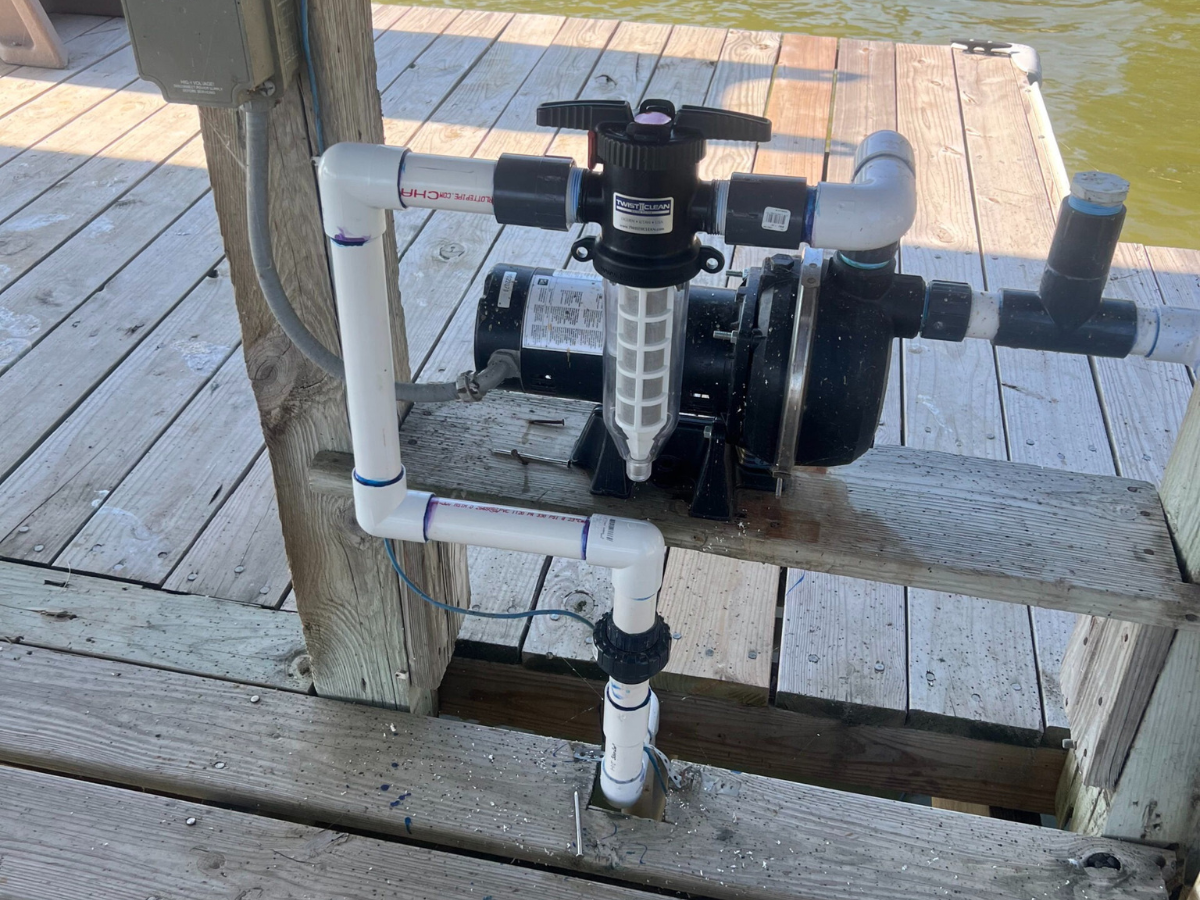
Centrifugal pumps are among the most common commercial pumping solutions. They use rotational energy to move liquids through a system and are often used for water supply, HVAC circulation, and irrigation.
These pumps are valued for their efficiency and relatively simple design.
Booster Pumps
Booster pumps are used to increase water pressure in commercial buildings. They are especially important in multi-story properties where maintaining consistent water pressure can be challenging.
Hotels, apartment buildings, and office towers frequently rely on booster systems.
Sump Pumps
Sump pumps help remove excess water from basements, utility rooms, and low-lying areas. These systems are critical for flood prevention and water damage protection.
Commercial properties located in flood-prone areas often require heavy-duty sump pump systems.
Sewage and Wastewater Pumps
Wastewater pumps transport sewage and waste materials away from commercial buildings. These systems are commonly used in restaurants, healthcare facilities, and industrial environments.
Reliable sewage pumps help prevent backups and sanitation issues.
Circulator Pumps
Circulator pumps move hot or chilled water through HVAC systems. These pumps improve heating and cooling efficiency while helping maintain indoor comfort.
They are commonly found in office buildings, schools, and industrial facilities.
Factors to Consider When Choosing Commercial Pumps
Selecting the right commercial pumping equipment requires evaluating several key factors. Choosing the wrong system can lead to inefficiency, higher operating costs, and premature equipment failure.
Flow Rate and Pressure Requirements
One of the most important considerations is determining how much liquid the system needs to move and at what pressure.
An undersized pump may struggle to meet demand, while an oversized unit can waste energy and increase wear on the system.
Energy Efficiency
Energy-efficient commercial pumps help businesses lower utility costs and reduce environmental impact.
Features like variable speed controls and smart monitoring systems allow facilities to optimize performance while reducing energy consumption.
Material Durability
Commercial pumps operate in demanding environments, so material quality matters.
Corrosion-resistant materials are especially important for wastewater applications, chemical processing, and industrial operations.
Maintenance Accessibility
Routine maintenance is necessary for maximizing equipment lifespan. Systems that are easier to inspect and service can reduce labor costs and minimize downtime.
Accessibility should always be considered during installation planning.
Noise and Vibration Control
Excessive noise and vibration can indicate system inefficiency and may disrupt building occupants.
Modern commercial pumps are often designed with vibration reduction technology to improve operational comfort and performance.
Common Problems That Affect Pump Systems
Even high-quality pumping equipment can experience problems over time. Identifying warning signs early helps prevent expensive repairs and operational interruptions.
Inconsistent Water Pressure
Fluctuating water pressure may indicate pump wear, clogged pipes, or pressure control issues.
Ignoring pressure problems can place additional strain on the entire plumbing system.
Unusual Noises
Grinding, rattling, or vibrating sounds often suggest mechanical problems such as bearing failure or misalignment.
Early diagnosis can prevent more severe damage.
Increased Energy Bills
A sudden rise in energy costs may signal that pumps are operating inefficiently.
Older systems often consume more electricity due to worn components or outdated technology.
Leaks and Moisture
Leaks around pump equipment should never be ignored. Moisture buildup can damage nearby components and increase the risk of corrosion.
Frequent Cycling
Pumps that constantly turn on and off may be improperly sized or experiencing pressure regulation issues.
Frequent cycling can shorten equipment lifespan and increase repair needs.
The Hydraulic Institute recommends routine monitoring and preventive maintenance to help businesses avoid costly failures and extend pump life.
The Importance of Preventive Maintenance
Preventive maintenance is one of the most effective ways to protect commercial pumping systems. Regular inspections help identify minor issues before they become major operational problems.
A proactive maintenance plan may include:
- Inspecting seals and valves
- Monitoring pressure levels
- Checking electrical connections
- Lubricating moving parts
- Cleaning filters and strainers
- Testing backup systems
- Evaluating vibration levels
- Reviewing overall system efficiency
Businesses that prioritize maintenance often experience fewer emergencies and lower long-term repair expenses.
How Modern Technology Improves Pump Performance
Technology has transformed the commercial pumping industry in recent years. Smart monitoring systems now allow facility managers to track equipment performance in real time.
Advanced systems can detect:
- Pressure irregularities
- Temperature changes
- Energy usage trends
- Flow inconsistencies
- Early mechanical wear
This data helps businesses make informed maintenance decisions and reduce unexpected downtime.
Automation also improves efficiency by allowing pumps to adjust performance based on real-time demand rather than operating continuously at full capacity.
Sustainability and Energy Efficiency
Sustainability has become a growing priority for commercial property owners. Efficient pump systems support environmental goals by reducing water waste and lowering energy consumption.
Upgrading outdated equipment can help facilities:
- Reduce electricity usage
- Improve water conservation
- Lower carbon emissions
- Support green building initiatives
- Meet energy compliance standards
Many businesses are now investing in high-efficiency commercial pumps as part of broader sustainability strategies.
Signs It May Be Time for a Pump Upgrade
While maintenance can extend equipment life, every commercial pump eventually reaches the point where replacement becomes more cost-effective.
Signs that an upgrade may be necessary include:
- Frequent repairs
- Rising utility bills
- Reduced system performance
- Excessive noise or vibration
- Outdated technology
- Inconsistent water pressure
- Increased downtime
Modern commercial pumps often provide substantial improvements in efficiency, reliability, and operational control.
Long-Term Benefits of Professional Pump Solutions
Commercial pumping systems are a major investment, but the long-term benefits often outweigh the initial cost.
Professionally designed and maintained systems help businesses:
- Improve operational efficiency
- Reduce repair expenses
- Extend equipment lifespan
- Minimize downtime
- Enhance occupant comfort
- Support regulatory compliance
- Improve energy performance
Whether operating a small commercial property or a large industrial facility, reliable pumps play a critical role in day-to-day operations.
Conclusion
Dependable commercial pumps are essential for maintaining safe, efficient, and productive commercial environments. From water distribution and HVAC circulation to wastewater management and flood prevention, these systems support nearly every aspect of building operations. PPX, LTD recognizes how critical reliable systems are for keeping commercial facilities running without interruption.
Choosing the right equipment, prioritizing preventive maintenance, and investing in energy-efficient technology can help businesses reduce costs and improve long-term reliability.
As commercial facilities continue to evolve, modern pump systems will remain a key component of operational success, helping businesses maintain efficiency, sustainability, and consistent performance for years to come.
PPX, LTD
7316 Standard Road Magnolia, TX 77354
Phone: 936-448-8038
Website: https://texasplumbersbyppx.com/