
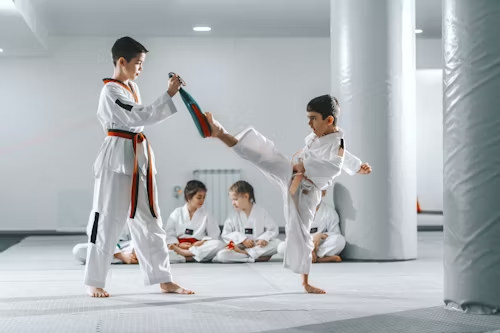
Early childhood is a critical period when children form the physical, emotional, social, and cognitive foundations that shape their future. Parents today are increasingly seeking activities that nurture the whole child, not just academic ability. Martial arts have emerged as a powerful and positive influence during these formative years. Designed thoughtfully for young learners, Kids Martial Arts programs provide far more than self-defense skills; they offer a structured environment where children grow with confidence, discipline, and joy. Through movement, focus, and encouragement, martial arts support early childhood development in meaningful and lasting ways.
Building Physical Strength and Healthy Movement Habits
One of the most visible benefits of Kids Martial Arts is physical development. During early childhood, children are refining basic motor skills such as balance, coordination, flexibility, and strength. Martial arts classes incorporate age-appropriate movements that help children develop control over their bodies while having fun. Kicking, punching, jumping, and stretching are introduced in playful and safe ways that strengthen muscles and improve posture.
These activities also support cardiovascular health and overall fitness without placing pressure on competition or perfection. Children learn to move with intention, improving their agility and spatial awareness. Over time, consistent participation helps establish healthy movement habits that can last a lifetime. Instead of seeing exercise as a chore, children begin to associate physical activity with enjoyment and personal achievement, which is a powerful foundation for long-term wellness.
Supporting Emotional Growth and Self-Confidence
Emotional development is just as important as physical growth in early childhood, and Kids Martial Arts offer a nurturing space where children can build strong self-esteem. Martial arts emphasize personal progress rather than comparison, allowing each child to feel proud of their individual accomplishments. Whether mastering a new stance or earning a stripe or belt, children experience the satisfaction of setting goals and achieving them.
This sense of accomplishment builds confidence and resilience. Children learn that effort and persistence lead to improvement, which helps them develop a positive attitude toward challenges. Instructors often reinforce encouragement, respect, and patience, creating an emotionally safe environment. As children gain confidence in class, this self-belief naturally carries over into other areas of life, including school, friendships, and new experiences.
Enhancing Focus, Discipline, and Cognitive Skills
Early childhood is a key time for developing attention span and cognitive control. Kids Martial Arts are especially effective in strengthening focus and discipline because they combine movement with mindful listening. Children are encouraged to pay attention to instructions, remember sequences, and respond with precision. These mental exercises help sharpen memory, concentration, and problem-solving abilities.
Martial arts also introduce structure and routine in a positive way. Children learn the importance of following directions, taking turns, and practicing self-control. Over time, these skills contribute to improved classroom behavior and learning readiness. The ability to focus on a task, even for short periods, builds a strong cognitive foundation that supports academic success and lifelong learning.
Encouraging Social Skills and Positive Relationships
Social development is a vital part of early childhood, and Kids Martial Arts classes provide a supportive group setting where children learn to interact positively with others. In class, children practice cooperation, respect, and teamwork. They learn how to listen, communicate, and participate as part of a group while still honoring their individuality.
Martial arts emphasize respect for instructors and peers, which helps children understand the value of kindness and empathy. Through shared activities and partner exercises, children develop friendships and learn appropriate social behavior in a structured environment. These experiences help children feel a sense of belonging and teach them how to navigate social situations with confidence and courtesy.
Teaching Life Values and a Positive Mindset
Beyond physical and social benefits, Kids Martial Arts play an important role in shaping character and values during early childhood. Many programs are built around principles such as respect, perseverance, honesty, and responsibility. These values are introduced in simple, age-appropriate ways that children can easily understand and apply.
Children learn that martial arts are not about aggression, but about self-control and inner strength. They are encouraged to remain calm, make positive choices, and treat others with respect. This focus on character development helps children build a strong moral compass and a positive mindset. As they grow, these lessons support emotional balance, confidence, and a healthy approach to challenges and relationships.
Conclusion
martial arts offer a powerful and positive path for early childhood development. Through Kids Martial Arts, children gain physical strength, emotional confidence, mental focus, social skills, and strong values that support their overall growth. The structured yet encouraging environment helps young learners thrive while enjoying the process of learning and self-discovery. By introducing martial arts at an early age, parents can give their children a meaningful foundation that supports success not only in childhood, but throughout life.