
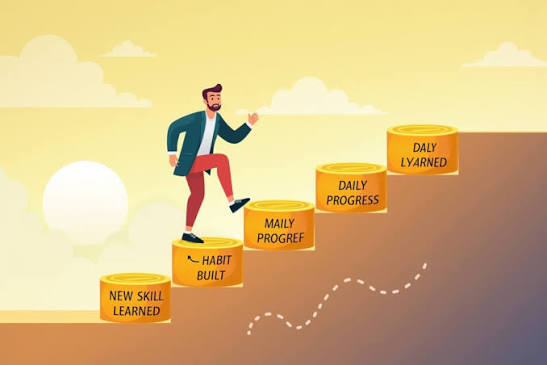
Weak personal confidence can make ordinary decisions feel harder than they need to be. The most reliable way to strengthen confidence is rarely a dramatic transformation. It usually comes from collecting small pieces of evidence that you can act, learn, recover, and improve.
Progress creates proof. Proof slowly changes how you see yourself.
Why Small Wins Build Confidence
Confidence grows when your actions repeatedly show that you can handle something. A small completed task may seem insignificant, but it gives your mind evidence that effort can produce a result.
Instead of waiting to feel confident before taking action, reverse the order. Take a manageable action first and allow confidence to follow. People exploring broader personal development perspectives may encounter many ideas, but practical repetition tends to matter more than inspirational language alone.
Start Below Your Maximum Ability
Choose goals that stretch you without overwhelming you. Someone trying to become more comfortable speaking in groups might begin by asking one question during a meeting rather than volunteering for a long presentation.
That first step is intentionally modest. The goal is to create movement that can be repeated.
Turn Progress Into Visible Evidence
Small improvements are easy to forget. Keeping a simple record prevents successful actions from disappearing from memory while mistakes receive all the attention.
A notebook, checklist, or weekly note can work. General online reading resources may provide fresh viewpoints, but your own record is more useful for measuring whether your behavior is actually changing.
| Small Action | Evidence Created | Next Challenge |
|---|---|---|
| Speak once in a meeting | You participated | Share an idea |
| Finish one delayed task | You followed through | Tackle a harder task |
| Ask for feedback | You handled input | Apply one suggestion |
| Try something unfamiliar | You tolerated uncertainty | Repeat it |
Visible evidence makes improvement harder to dismiss.
Practice Skills Instead of Judging Yourself
Confidence problems often become identity statements: “I’m bad at this” or “I’m not confident.” That language can hide an important fact. Many situations involve skills that can be practiced.
Someone uncomfortable networking may need conversation practice rather than a completely different personality. A person nervous about interviews may benefit from rehearsing answers until the setting feels less unfamiliar.
Broader digital lifestyle coverage can expose you to endless advice, but confidence improves faster when one useful idea becomes repeated behavior.
Separate Performance From Personal Worth
A disappointing result doesn’t prove anything permanent about your value. It shows that one attempt produced one outcome under specific conditions.
Review what happened with practical questions. What worked? What felt difficult? What can you change on the next attempt? That keeps the focus on improvement rather than self-criticism.
Make Challenges Gradually Harder
Progress stalls when every challenge stays comfortable. Once a small action feels manageable, increase the difficulty slightly.
The increase doesn’t need to be dramatic. A five-minute conversation can become ten minutes. One difficult phone call can become handling two similar calls independently.
Gradual difficulty helps build competence while keeping the challenge believable.
Where Confidence Building Often Goes Wrong
One common mistake is chasing confidence as a feeling instead of developing evidence through action. Motivational content may create temporary energy, but that feeling can disappear quickly when a difficult situation returns.
Another mistake is comparing your early attempts with someone else’s polished performance. You may be seeing years of practice compressed into a few visible moments. Compare today’s behavior with your own earlier behavior instead. That comparison gives you information you can actually use.
Frequently Asked Questions
Can confidence improve without major life changes?
Yes. Repeated small actions can gradually change how capable you feel. The important part is choosing actions that are achievable, slightly challenging, and connected to situations where you want greater confidence.
How long does building confidence take?
There is no universal timeline. Confidence often develops unevenly because people may feel capable in one area and uncertain in another. Consistent practice matters more than trying to reach a particular deadline.
What should I do after a setback?
Treat the setback as information. Identify what made the situation difficult, adjust the next attempt, and return to a manageable action rather than abandoning the goal completely.
Keep Collecting Proof
Strong confidence doesn’t require believing that every attempt will succeed. It comes from knowing that you can act even when success isn’t guaranteed.
Choose one small challenge you can complete soon, record the result, and make the next challenge slightly harder. Over time, those ordinary wins can become convincing evidence that you’re more capable than your doubts suggested.