
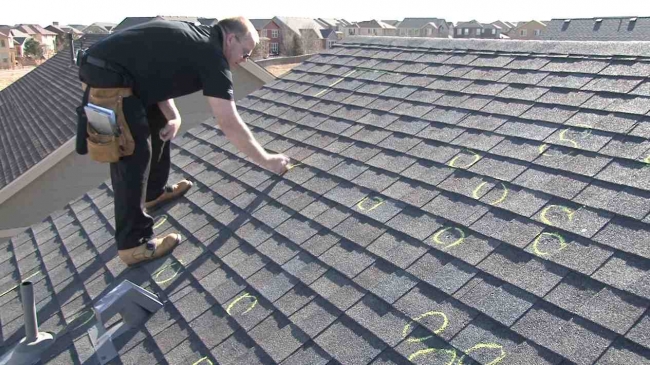
A metal roof can offer strong protection and long service life. However, even well‐installed metal roofs can develop issues over time. Poor installation, loose fasteners, worn sealants, corrosion, flashing problems, roof penetrations, drainage problems, temperature changes, aging materials, and foot traffic are common reasons for metal roof leakages. These common problems in roofing are avoided through regular checkups, maintenance performed on time, proper installation, and timely metal roof leak repair.
Typical Reasons for Metal Roof Leaks and Their Prevention
The following are the key reasons:
- Improper Installation
Cause: Installation comes first. Imagine the panels not fitting correctly, the fasteners installed incorrectly, the flashing out of place, or the sealants skipped. When these occur, small holes form and water infiltrates.
Prevention: You should hire an expert contractor in metal roofing. Ensure the proper installation of panels, including straightness, proper folding of seams, secure fastener installation, and flashing of edges and penetrations.
- Loose or Missing Fasteners
Cause: Next up: fasteners. The roof is held in place and closed by screws and their corresponding washers. However, if the screws are too loose, too tight, or not present at all, the seal disintegrates. The other causes include missed framing, overdriven screws, incorrect angles, and worn washers.
Prevention: It should be inspected every couple of months to identify loose or lost screws. Replace worn washers. Make sure that fasteners are inserted in the structural frame and not only in the sheathing. The screw type used has to be the right one for the system.
- Damaged or Worn Sealants
Cause: Sealants fill the gaps between joints, trims, and other important locations to prevent water intrusion. Little by little, they fade, break, or fall off. Lack of sealants in the screw and seam sections and penetrations may cause leakages.
Prevention: Walk the roof and inspect the sealants at least once a year to ensure they are lined properly. Remove the old sealant and apply a good metal roof sealant if you see any cracks or gaps.
- Rust and Corrosion
Cause: Metal is durable, yes, but it’s still metal. Cracks can open the protective coating. In the case of moisture, salt, or incompatible metals, corrosion will happen and form weak spots or holes.
Prevention: When installing or replacing panels, use rust-resistant finishes (galvanized, painted, and others). Do not mistake them for incompatible metals. Remove debris regularly before it becomes too serious, inspect the coating, and paint over scratches before rust increases.
- Poor Flashing Installation
Cause: Flashings are metal strips that surround chimneys, vents, walls, and valleys. Their function is to carry water away from susceptible joints. However, if the flashing is missing, too small, installed backwards, not sealed, or not encapsulated in a way that overlaps, water will seep in.
Prevention: Ensure the flashing is sized and placed correctly. Use materials that are compatible with your metal panels or similar materials. Confirm that the flashing is lying properly over the panels and moving the water away from the structure.
- Roof Penetrations and Add-Ons
Cause: The weak spots are all the vents, skylights, HVAC, and pipes that run through the roof. This leakage, unless the roofing of those points was properly sealed or flashed, will lead to leaks.
Prevention: Be prepared when adding anything to the roof. Use proper boots, flashings, and sealants. Check those areas with caution after a large storm—any damage you do see or movement you have should be addressed quickly.
- Clogged Gutters and Standing Water
Cause: Water will accumulate under panels if the gutters or downspouts are clogged or the roof inclination is so gentle. The common causes are leaky metal roofs, stress, accumulation of debris, and blocked drainage.
Prevention: Keep gutters and downspouts clear of leaves, branches, and sediment. Ensure proper roof slope and drainage so water flows off instead of gathering at seams or edges.
- Expansion and Contraction
Cause: Metal moves. As heat expands, so cold contracts. Such movements eventually overstretch seams, fasteners, and sealants. Manufacturers have warned that a roof opening can occur if it is not designed to move like that.
Prevention: Use a roofing system that supports thermal movement. Inspect seams and fasteners to follow seasonal fluctuations. Cover any areas that look loose or are lifting.
- Aging Roof Materials
Cause: No roof can last forever. Finishes wear away, glues become hard, screws become loose, and panels lose their rigidity. Aging and general wear are some causes of leaks that last a long time after installation.
Prevention: Schedule an inspection every 5 years or earlier in a harsh environment. Inspect rust, fastener integrity, sealant, and panel finish integrity, given the possibility of recoating or replacing components before these large-scale problems arise.
Conclusion
Understanding metal roof leaks and the reasons behind them is the first step in prevention. Poor installation, weak fasteners, outdated sealants, rust, incorrect flashing, roofing extensions, obstructions in the gutters, thermal movement, material decay, and human error are the causes behind the broken integrity of the metal roof. Careful monitoring of such aspects and regular inspection and repair will help prolong the lifespan of a metal roof and prevent expensive damage. Regular metal roof leak repair and smart decisions make the roof function as it should, protecting the building and everything beneath it.