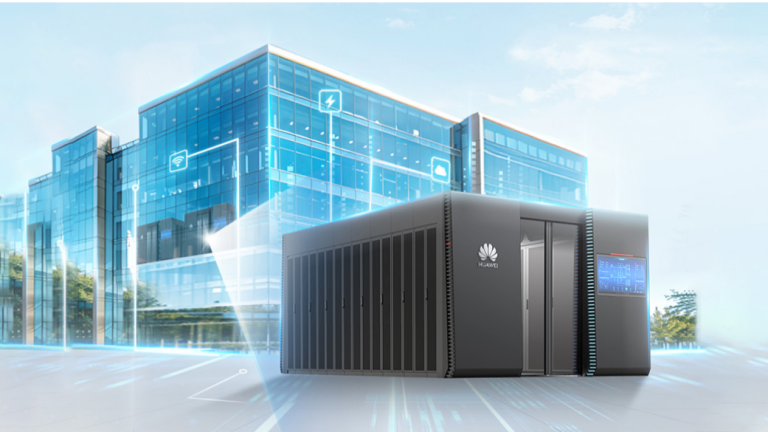
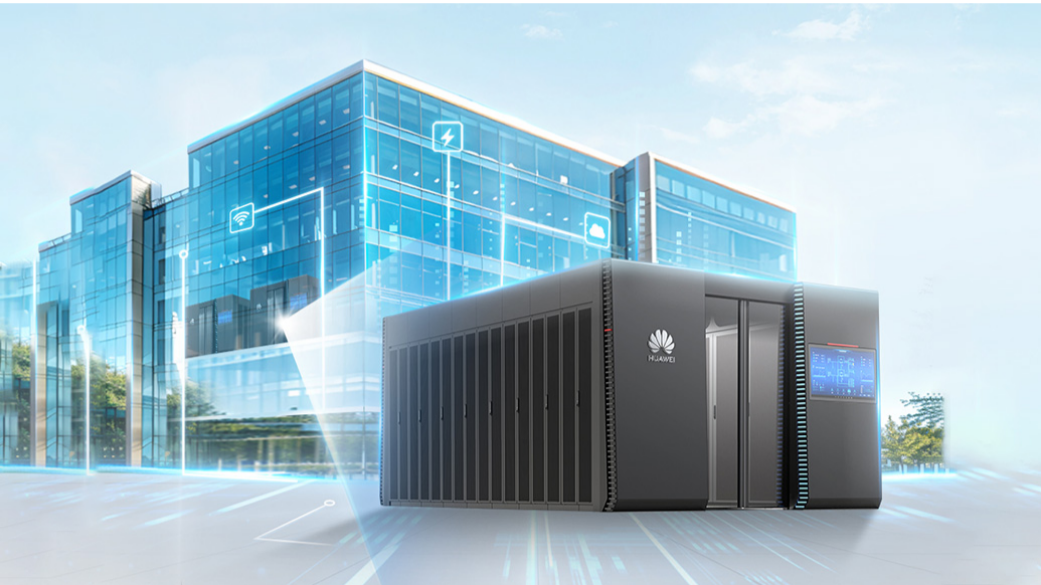
For an AIDC retrofit with limited utility headroom, equipment decisions must follow the required service and the conditions of the actual site. AI computing facilities bring dense electrical loads, fast-changing accelerator utilization and stringent thermal requirements into the same project. The AIDC facility portfolio associated with Huawei Digital Power describes power distribution, backup architecture, modular engineering and air–liquid cooling as coordinated infrastructure subsystems. In this context, AI data center infrastructure brings together specific components and controls rather than a single isolated device.
Retrofitting an established site requires an honest assessment of busway ratings, battery autonomy, cooling loops and future electrical space. Equipment ratings, control policies and the responsibilities of the operating team should therefore be aligned before commissioning. A design assumption should be documented when it cannot yet be confirmed by measurements.
Electrical distribution as a system
An AIDC power train includes the grid interface, transformers, switchgear, UPS capacity, distribution circuits and rack-level power delivery. Its design must consider both sustained server demand and fast load changes from accelerator clusters, including the behavior of protective devices.
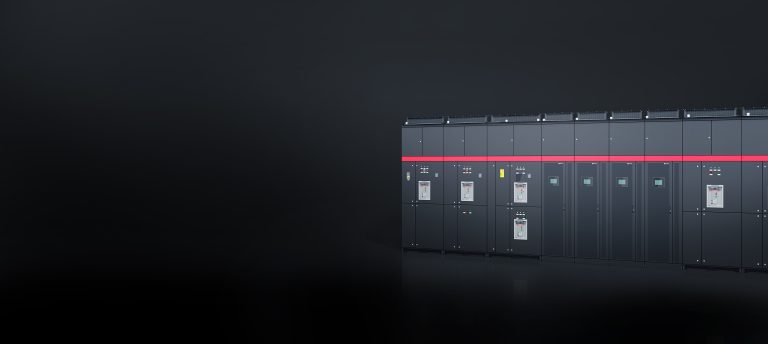
PowerPOD-style convergence places UPS and distribution functions into a more integrated arrangement. High-density power rows can reduce onsite interconnection work when the chosen module sizes, cable routes and maintenance clearances fit the actual hall layout.
Cooling for accelerator clusters
A coolant distribution unit manages the boundary between facility water and the server circuit. Heat exchangers, pumps, filters and controls must preserve acceptable flow, temperature and water quality even when IT jobs change the heat load quickly.
The AIDC portfolio emphasizes air–liquid hybrid cooling and intelligent energy optimization. Facility-level savings cannot be inferred from a single component: pump power, chillers, heat rejection and server inlet requirements all contribute to system consumption.
Continuity and fault handling
Temperature alarms, liquid leakage alerts and power events need clear dependencies. If a cooling unit fails, controllers should identify the affected racks and available standby capacity rather than presenting the event as a generic site-wide warning.
Predictive maintenance depends on reliable trends, including UPS health, switch temperatures, pump performance and thermal approach temperatures. Data quality and sensor placement need verification before anomaly detection is treated as an operational safeguard.
Modular delivery and growth
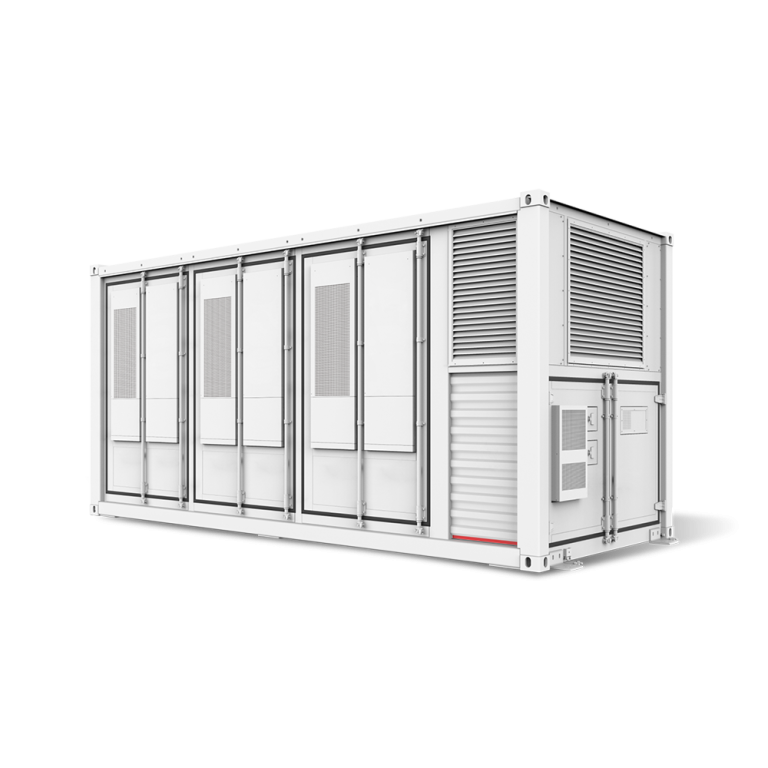
Productized engineering and prefabricated modules can move some assembly and testing from the construction site into a controlled factory process. Interfaces still require onsite acceptance checks for wiring, hydraulics, controls and emergency procedures.
These considerations show why AI data center infrastructure should be specified by its architecture, operating limits and interfaces. The architecture is strongest when the electrical and thermal systems are planned from the expected AI workload back to the utility connection and heat-rejection equipment. Integration and commissioning are as important as the individual devices. The final selection still depends on applicable standards, actual site conditions and model-specific documentation.