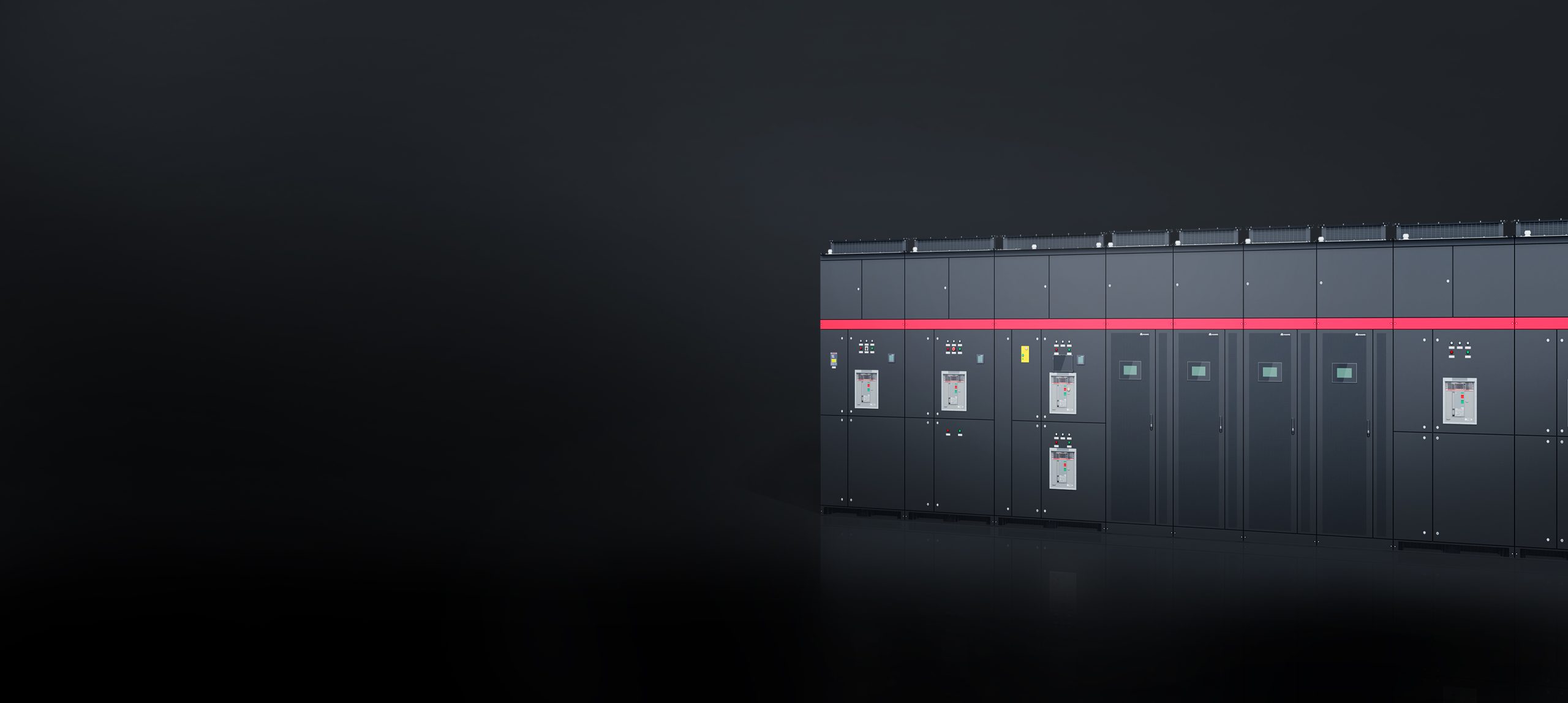
Data centers depend on a continuous and carefully coordinated electrical path from the utility connection to IT equipment. A data center power module brings key supply and distribution functions into a planned architecture, helping teams address space, delivery, maintenance, and integration. Equipment selection is only one decision in a wider infrastructure project. Good procurement balances present requirements with realistic future demand, without paying for capacity that has no defined use. The central design task is to connect the selected equipment with a clear site requirement.
System context for planning and operating ؼ solutions.
Use integrated monitoring to support operations
Power modules can generate data on equipment status, temperature, alarms, loading, and energy use. When these signals are collected consistently, operators can see the condition of the power chain and investigate unusual behavior more quickly. Monitoring should include defined alarm priorities and escalation paths rather than simply displaying every available signal.
Prefabrication moves work into a controlled environment
Factory integration can reduce the amount of equipment assembly required at the data center site. It may also make quality checks and interface verification more repeatable before shipment. However, prefabrication does not remove the need for site preparation, transport planning, lifting studies, cable connection, and integrated commissioning after the module arrives. For a closer look at the solution scope, review data center power module and consider how its documented functions fit the site layout, electrical interfaces, and operating plan.
Evaluate lifecycle cost, not only delivery price
A power module’s economics include capital cost, installation time, energy losses, service requirements, spare parts, and future expansion. Comparing proposals on the same functional boundary helps avoid a low initial price that excludes important equipment or site work. A lifecycle view gives procurement and operations teams a more balanced basis for selection.
Follow the power path from input to load
A the integrated power module is most useful when its scope is clearly defined from the incoming medium-voltage supply through transformation, UPS protection, distribution, and feeder output. Mapping this path reveals which functions are integrated, which remain external, and where maintenance or redundancy boundaries sit. The single-line diagram should match the delivered configuration. Performance should always be assessed against the actual installation conditions and the complete system boundary.
Match UPS topology to the critical load
The power module’s UPS arrangement should reflect the required availability, load profile, and maintenance strategy. Double-conversion operation, bypass paths, battery autonomy, and parallel capacity each affect how the system responds to disturbances. The project specification should identify normal and maintenance modes and explain how protected loads are supplied during each condition. A project specification for data center power module should identify the applicable configuration, installation limits, commissioning checks, and service responsibilities.
Bring operations into the design review
The people who will operate and maintain the installation should review the design before procurement is complete. They can identify access problems, unclear alarms, difficult isolation steps, or spare parts that may be hard to obtain. Their input often reveals lifecycle issues that are not obvious from a product datasheet.