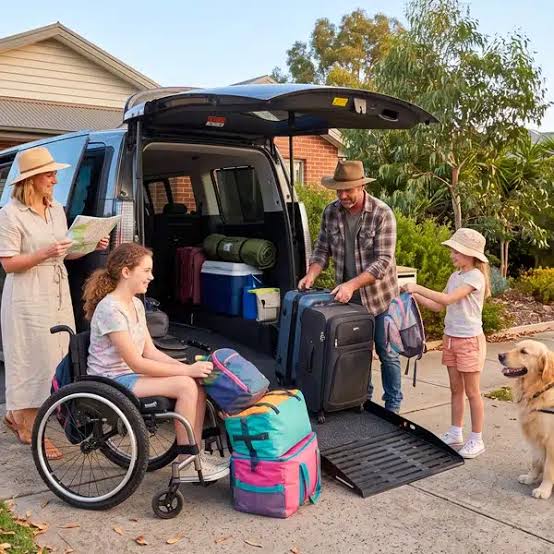
Remote area driving demands more preparation than an ordinary highway trip. Long distances between fuel stations, weak phone coverage, changing weather, and limited roadside assistance can turn a small inconvenience into a serious delay. Carrying extra supplies gives you more options when the nearest town may be hours away.
Plan Around Distance, Not Normal Daily Driving
City drivers often think about fuel in terms of the next service station. Remote travel requires thinking about how far you could continue if that station is closed, out of fuel, or inaccessible.
Check your intended route before leaving and identify realistic fuel, food, and rest stops. Broader automotive travel information can also be useful while building general road-trip preparation habits.
Keep a Practical Fuel Margin
Avoid planning to arrive at a remote fuel stop with an almost empty tank. Unexpected detours, headwinds, rough roads, or idling during delays can increase fuel use.
Refill earlier than you normally would. If carrying additional fuel is legal and appropriate for your vehicle and route, use an approved container and transport it according to local safety requirements.
Carry More Water and Food Than the Trip Should Require
A short breakdown can become a long wait when towing companies must travel significant distances. Water should therefore cover more than normal drinking needs.
Pack shelf-stable food that can handle vehicle temperatures reasonably well. Drivers comparing preparation ideas through automotive reference directories should still adapt their supply list to climate, passenger needs, and journey length rather than following one fixed checklist.
| Supply | Why Carry Extra | Practical Use |
|---|---|---|
| Drinking water | Delays can last hours | Hydration |
| Shelf-stable food | Services may be closed | Emergency meals |
| Warm clothing | Temperatures can drop | Exposure protection |
| Flashlight | Breakdown may continue after dark | Visibility |
Prepare the Vehicle Before Isolation Becomes the Problem
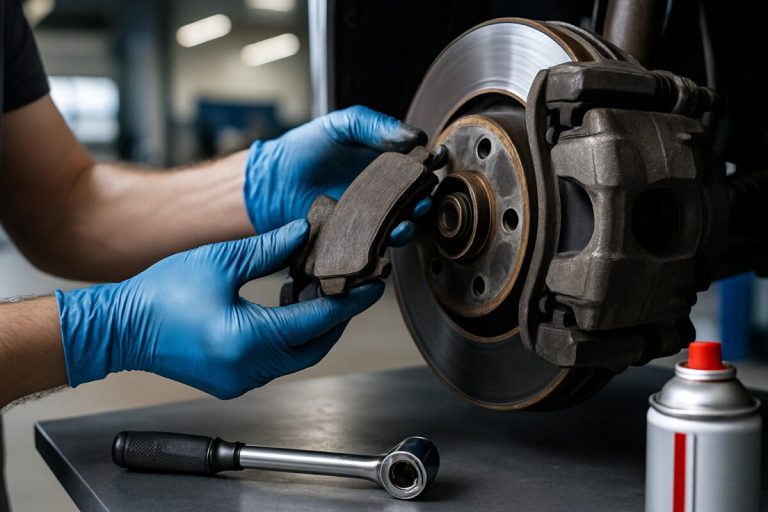
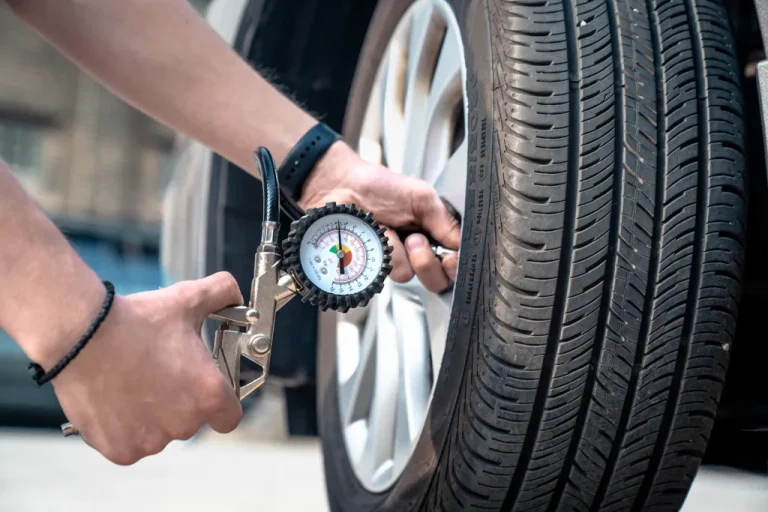
Check tire pressure, fluid levels, lights, battery condition, and the spare tire before leaving populated areas. A neglected spare tire is especially troublesome because it may have been sitting untouched for years.
Basic maintenance planning discussed across general road-trip resources may help remind drivers that reliability matters most when repair options become limited. Carry the tools you actually know how to use rather than filling the vehicle with equipment you can’t operate safely.
Think Beyond the Main Tire
A usable spare, jack, wheel wrench, tire-pressure gauge, and basic puncture equipment can make a major difference. Before departure, confirm that the wheel wrench fits and the jack works with your vehicle.
Communication Needs a Backup Plan
Mobile coverage can disappear quickly outside populated areas. Download offline maps before leaving and tell another person your planned route and expected arrival time.
A power bank can keep a phone operating during a prolonged delay. On unusually isolated routes, satellite-based communication equipment may also be worth considering.
Where Remote-Trip Preparation Often Goes Wrong
The biggest mistake is preparing for the planned journey instead of preparing for an unplanned stop. A three-hour drive may seem too short to justify substantial supplies, yet a mechanical problem could add many hours.
Another mistake is assuming every marked settlement offers fuel, repairs, food, and dependable phone service. Remote businesses may operate limited hours. Planning should therefore include alternatives rather than depending on one critical stop.
Frequently Asked Questions
How much water should I carry for remote driving?
Carry enough for normal consumption plus a reasonable reserve for unexpected delays. The appropriate amount depends on temperature, trip length, passenger count, and how isolated the route is.
Should I rely on my phone for navigation?
A phone is useful, but download offline maps before entering areas with unreliable reception. Carrying a physical map can provide another backup on especially isolated journeys.
What vehicle equipment matters most?
A functional spare tire, jack, wheel wrench, flashlight, charging equipment, basic first-aid supplies, and appropriate emergency gear provide a practical starting point. Adjust the kit for your route and climate.
Prepare for the Delay You Didn’t Plan
Remote driving becomes safer when preparation accounts for what happens after the schedule goes wrong. Carry extra water, food, power, clothing, and usable vehicle equipment, then make sure someone knows your route. The goal isn’t to fill the vehicle with unnecessary gear. It’s to avoid depending on services that may not be available when you need them.