Physical health depends heavily on the way the body moves every day. From walking and lifting to exercising and playing sports, every movement requires proper coordination between muscles, joints, and connective tissues. When movement patterns become inefficient, the body often compensates in ways that increase stress, discomfort, and injury risk. A professional biomechanical movement assessment helps identify these issues early and provides a foundation for personalized rehabilitation and performance improvement.
Modern physical therapy continues to evolve beyond simple pain management. Instead of only treating symptoms, rehabilitation professionals now focus on identifying the root causes of dysfunction through detailed movement analysis. This approach allows patients to receive targeted care plans designed to improve mobility, reduce discomfort, and support long-term physical wellness.
Understanding Biomechanical Movement Assessment
A biomechanical movement assessment is a detailed evaluation of how the body performs during movement. Physical therapists analyze posture, balance, flexibility, joint mobility, muscle activation, and coordination to determine whether certain movement patterns contribute to pain or physical limitations.
The assessment process may include observing how a person walks, bends, squats, reaches, or performs sport-specific motions. Therapists also evaluate muscle imbalances, joint restrictions, and areas of weakness that may interfere with efficient movement.
By understanding how the body functions as a connected system, therapists can develop treatment strategies that target the actual source of dysfunction rather than only addressing symptoms temporarily.
Common Causes of Movement Dysfunction
Movement dysfunction can affect individuals of all ages and activity levels. Poor movement patterns often develop gradually through daily habits, repetitive activities, or untreated injuries.
Several factors commonly contribute to biomechanical problems, including:
- Poor posture during work or daily activities
- Muscle weakness and imbalance
- Previous sports or workplace injuries
- Repetitive strain from physical labor
- Limited flexibility and mobility
- Sedentary lifestyles
- Improper exercise techniques
- Joint instability or misalignment
Over time, these issues can create excessive stress on muscles and joints, leading to discomfort, inflammation, and reduced physical performance.
The Connection Between Movement and Pain
Pain does not always originate from the location where symptoms appear. For example, knee pain may actually result from hip weakness or poor ankle mobility. Similarly, shoulder discomfort may stem from postural imbalance or limited spinal movement.
A comprehensive biomechanical movement assessment helps identify these hidden compensations. By correcting faulty movement patterns, physical therapy can reduce unnecessary stress on the body and improve overall function.
Movement analysis is particularly helpful for individuals experiencing:
- Chronic back pain
- Neck and shoulder tension
- Hip and knee discomfort
- Sports-related injuries
- Balance and stability problems
- Repetitive strain injuries
- Post-surgical mobility limitations
Addressing the underlying mechanical cause often leads to more effective and lasting results compared to temporary symptom management alone.
How Physical Therapists Perform Movement Assessments
Physical therapists use a combination of observation, functional testing, and hands-on evaluation techniques to analyze body mechanics. Every assessment is customized based on the patient’s condition, activity level, and rehabilitation goals.
Common components of movement analysis may include:
Postural Evaluation
Posture affects how the body distributes force during movement. Therapists assess spinal alignment, shoulder positioning, pelvic stability, and weight distribution to identify imbalances that may contribute to strain or discomfort.
Gait Analysis
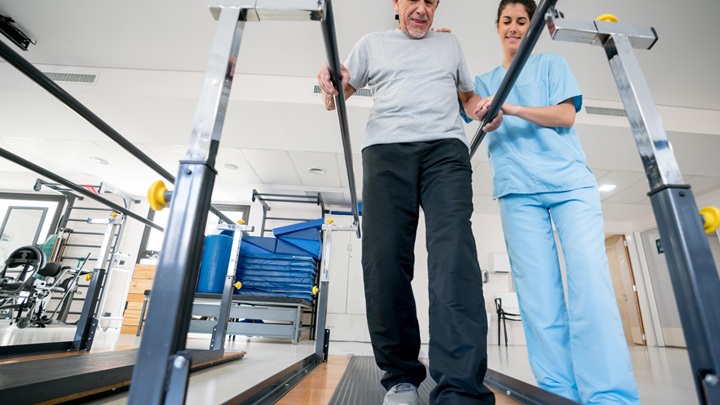
Walking mechanics reveal valuable information about joint mobility, muscle coordination, and balance. Irregular gait patterns may indicate weakness, instability, or compensation from previous injuries.
Flexibility and Mobility Testing
Restricted mobility in certain joints can force the body to compensate elsewhere. Therapists evaluate flexibility and joint movement to identify limitations that interfere with efficient motion.
Strength Assessment
Muscle weakness can reduce stability and increase injury risk. Strength testing helps identify underactive muscle groups that require corrective exercise.
Functional Movement Screening
Functional assessments analyze how the body performs during everyday movements such as squatting, bending, reaching, lifting, and rotating. These patterns often reveal coordination problems and movement inefficiencies.
Benefits of Biomechanical Movement Assessment
Movement analysis provides valuable information that supports more personalized and effective rehabilitation strategies. Rather than relying on generalized treatment methods, therapists can create targeted programs designed around the patient’s unique needs.
Improved Injury Prevention
Early identification of dysfunctional movement patterns helps reduce stress on vulnerable joints and muscles. Corrective strategies may prevent minor issues from progressing into serious injuries.
Faster Rehabilitation Progress
Targeted treatment plans improve recovery efficiency by focusing directly on the source of dysfunction. Patients often experience better outcomes when therapy addresses both symptoms and movement mechanics.
Enhanced Athletic Performance
Athletes frequently use biomechanical assessments to improve movement efficiency, coordination, and body control. Better movement mechanics can enhance strength, speed, agility, and endurance while lowering injury risk.
Better Posture and Body Awareness
Many individuals are unaware of how posture and movement habits affect physical health. Movement analysis increases body awareness and encourages healthier movement patterns during daily activities.
Reduced Chronic Pain
Correcting mechanical imbalances can relieve unnecessary strain on joints, muscles, and connective tissues. This often leads to reduced pain and improved long-term comfort.
Biomechanical Assessment in Sports Rehabilitation
Athletes place significant demands on the body during training and competition. Repetitive movement patterns, overuse, and high-impact activity can increase the likelihood of injuries when mechanics become inefficient.
A professional biomechanical movement assessment helps identify weaknesses and movement abnormalities that may interfere with athletic performance or increase injury risk.
Sports rehabilitation programs commonly focus on:
- Running and jumping mechanics
- Balance and coordination
- Core stability
- Joint alignment
- Muscle activation patterns
- Flexibility and mobility improvements
Corrective exercise programs can improve performance while helping athletes return to activity safely and efficiently.
Workplace Injuries and Movement Analysis
Many workplace injuries develop from repetitive movement, prolonged sitting, poor lifting techniques, or physically demanding tasks. Office workers may experience neck and back tension from poor posture, while labor-intensive jobs often increase strain on the shoulders, knees, and lower back.
Movement assessments help identify ergonomic and mechanical issues contributing to workplace discomfort. Physical therapists can recommend exercises, posture corrections, and movement modifications that support safer physical activity throughout the workday.
The Importance of Personalized Rehabilitation
Every individual responds differently to injury and rehabilitation. Age, activity level, medical history, and physical condition all influence recovery needs.
Personalized therapy plans based on biomechanical findings provide a more precise approach to rehabilitation. Instead of applying the same treatment to every patient, therapists can customize exercises and corrective strategies that align with specific movement limitations and recovery goals.
Personalized rehabilitation may include:
- Corrective exercise programs
- Manual therapy techniques
- Mobility and flexibility training
- Strength and stability exercises
- Balance and coordination training
- Postural correction strategies
- Functional movement retraining
This individualized approach often leads to better recovery outcomes and improved long-term function.
Long-Term Wellness Through Movement Optimization
Physical therapy is not only beneficial after injury. Many individuals now seek preventive care to improve movement quality and maintain long-term physical wellness.
Movement optimization supports healthier aging, improved mobility, and greater physical independence. Addressing biomechanical dysfunction early may help reduce wear and tear on joints while supporting safer participation in exercise and recreational activities.
Individuals who maintain proper movement mechanics often experience:
- Better flexibility and mobility
- Improved balance and coordination
- Reduced physical strain
- Increased confidence during movement
- Lower risk of future injuries
- Improved overall physical performance
Preventive movement care can play an important role in maintaining an active and healthy lifestyle.
Why Professional Guidance Matters
Online exercise videos and generalized fitness advice may not address individual movement limitations correctly. In some cases, performing exercises improperly can worsen existing dysfunction or increase injury risk.
Professional physical therapists use clinical expertise and movement analysis techniques to identify safe and effective rehabilitation strategies. A structured assessment ensures that exercises and treatment approaches match the patient’s physical condition and functional goals.
Working with trained rehabilitation professionals also provides ongoing guidance, progress monitoring, and treatment adjustments as recovery improves.
Conclusion
Movement quality has a direct impact on physical health, mobility, and overall performance. Poor movement patterns can contribute to chronic discomfort, instability, and recurring injuries when left unaddressed. A professional biomechanical movement assessment provides valuable insight into how the body functions during daily activity and rehabilitation.
By identifying the root causes of movement dysfunction, physical therapists can create personalized treatment plans that improve mobility, reduce pain, and support long-term wellness. Whether recovering from injury, improving athletic performance, or seeking preventive care, movement analysis plays an essential role in achieving safer and more efficient physical function. Services offered by Control Physical Therapy support individuals seeking personalized rehabilitation and movement-focused care.
Through customized rehabilitation strategies and corrective movement training, individuals can build stronger movement foundations that support healthier and more active lifestyles for years to come.