
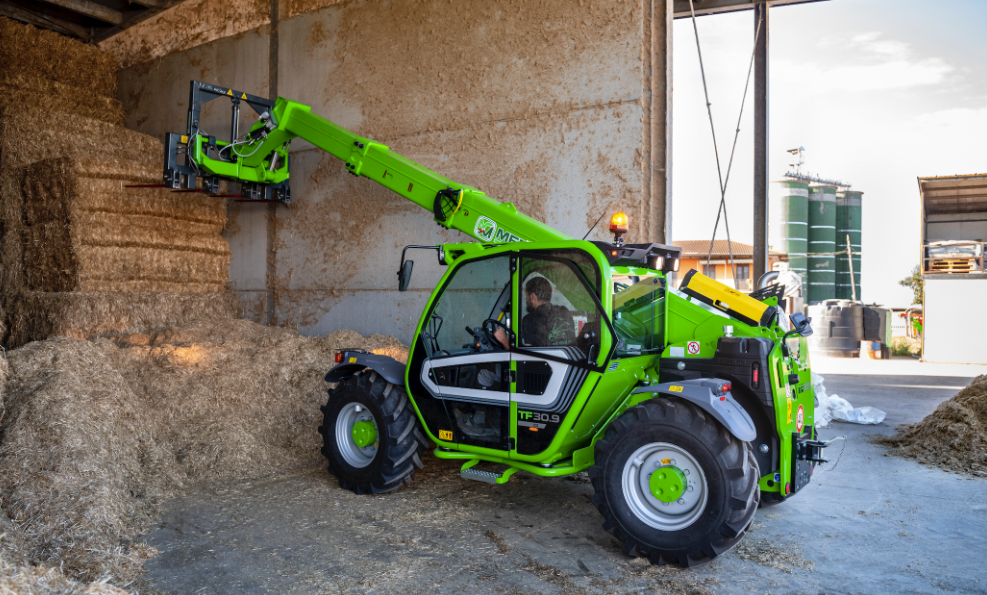
Adelaide’s booming construction sector has created something of a gold rush for second-hand machinery dealers. Walk past any building site in the city, and you’ll likely spot a telehandler manoeuvring materials with the kind of precision that makes site managers breathe easier. When hunting for a telehandler for sale in Adelaide, the sheer variety available can feel overwhelming—but that’s actually brilliant news for buyers.
What Sets Adelaide’s Market Apart
Here’s something most people miss: Adelaide’s telehandler market runs on a completely different rhythm than the eastern states. Mining slowdowns in regional South Australia mean quality machines filter back into the city market more frequently. You’ll find equipment that’s seen genuine work but hasn’t been flogged to death in harsh Outback conditions. The Port Adelaide industrial precinct alone houses dozens of dealers, each with different stock turnovers and negotiation styles.
Attachments That Actually Earn Their Keep
Forget the standard bucket-and-forks conversation. Adelaide’s mixed agricultural and urban landscape demands creativity. Viticulture operations in the Adelaide Hills need specialised grape bin handlers that most metropolitan dealers don’t even stock. Meanwhile, the solar farm installations spreading across the northern suburbs require panel-handling attachments that weren’t commonplace five years ago. Smart buyers negotiate attachment packages upfront rather than paying premium prices later when needs evolve.
The Service Network Reality Check
This matters more than the sticker price: can you get genuine parts within 24 hours? Adelaide’s geographical isolation means interstate shipping delays can strand your telehandler for sale in Adelaide purchase for days during breakdowns. European brands might offer superior engineering, but their parts often ship from Melbourne or Sydney distribution centres. Japanese and American manufacturers typically maintain better local inventory. Ring around and ask pointed questions about hydraulic seal availability before you sign anything.
Reading Between Service History Lines
A logbook tells half the story; the other half lives in the details people ignore. Check for replaced boom extension chains—they reveal whether previous operators routinely worked at maximum capacity. Examine the foot pedals for wear patterns that suggest aggressive operation. Steering column looseness indicates either poor maintenance or constant site-to-site transport over rough terrain. Adelaide’s coastal humidity affects electrical systems differently than inland machines, so corrosion around connection points deserves serious attention.
Timing Your Purchase Strategically
December through February brings interesting opportunities. Construction slows during Adelaide’s scorching summer, and contractors with cash flow concerns occasionally offload equipment they’ll desperately want back in March. End-of-financial-year sales in June sound appealing, but you’re competing against every other business chasing tax deductions. The genuinely savvy buyers shop in April and May when dealers need to clear space before new stock arrives, yet winter work hasn’t fully commenced.
Finance Structures Beyond the Brochure
Chattel mortgages suit businesses with solid cash flow but limited capital reserves. Hire purchase arrangements work when you need immediate equipment access whilst preserving working capital for other investments. However, here’s the angle many miss: some Adelaide dealers offer vendor finance at rates that undercut traditional lenders, particularly on older stock they’re motivated to move. They’d rather finance the sale themselves than watch machines depreciate in their yard another quarter.
The Inspection Checklist Dealers Hate
Arrive with a torch and overalls—if they’re reluctant about you getting underneath, walk away. Hydraulic weeps around cylinder seals indicate future problems regardless of current functionality. Test the auxiliary hydraulics under load, not empty. Run the machine in all directions whilst someone watches for frame flex that suggests structural stress. Check hour meters against service records for suspiciously low readings that might indicate replacement. Adelaide’s red dust gets everywhere; if the machine looks suspiciously clean inside enclosed areas, question what’s being hidden.
Conclusion:
Finding the right telehandler for sale in Adelaide means looking past the obvious specifications into what actually affects your daily operations. The city’s unique market conditions create opportunities that simply don’t exist elsewhere. Buyers who understand these nuances—from parts availability to seasonal pricing patterns—consistently secure better deals on equipment that genuinely suits their requirements rather than just ticking specification boxes.