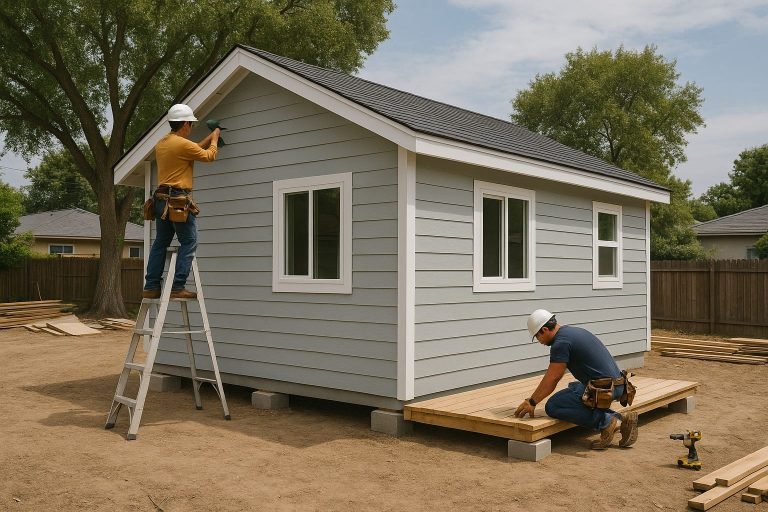
Regardless of scale, construction projects can be complex undertakings that demand precision, planning, and attention to detail. In the fast-paced world of construction, avoiding common mistakes is crucial to ensure that your projects are not only successful but also completed efficiently and within budget. So, below, you may explore these pitfalls and provide insights on how to steer clear of them.
1. Inadequate Planning and Design
Rushing into a project without comprehensive planning and design can lead to costly errors down the line. Insufficiently thought-out designs can result in structural flaws, inefficient layouts, and increased project timelines. So, take the time to thoroughly plan and design your project, collaborating with architects and engineers to ensure that all aspects, from blueprints to metal fabrication, are meticulously crafted. A well-thought-out design is the foundation of a successful construction project. Remember that good planning can save you not only time but also money in the long run.
2. Poor Budget Management
Exceeding the budget is a common issue in construction. Overspending can result from inaccurate cost estimation, unexpected expenses, or poor financial management. So, begin by creating a detailed budget that accounts for all project expenses, including materials, labour, and contingencies. Regularly monitor and update the budget as the project progresses, avoiding unnecessary expenses and always having a financial cushion for unexpected costs. A well-managed budget is a key component of a successful construction project.
3. Neglecting Safety Protocols
Safety should be a top priority on any construction site, but neglecting safety protocols can lead to accidents, injuries, and even fatalities. Non-compliance with safety regulations can also result in legal and financial repercussions. Implement stringent safety measures and protocols on your construction site, ensuring that all workers receive proper training and have access to safety equipment. Hence, regularly inspect the site for potential hazards and address them promptly. Safety isn’t just a priority; it’s a moral and legal obligation. Ensuring a safe work environment is essential for your workers’ well-being and the smooth progress of your project.
4. Inadequate Quality Control
Failing to maintain rigorous quality control throughout construction can lead to subpar workmanship, defects, and rework. These issues not only delay the project but can also damage your reputation. So, implement a robust quality control system from the outset, regularly inspecting and testing materials and workmanship to ensure they meet the required standards. Address any issues promptly to maintain the project’s quality and timeline. Maintaining high-quality standards throughout construction is essential to deliver a successful project that meets or exceeds client expectations.
5. Ignoring Environmental Impact
In an increasingly eco-conscious world, ignoring the environmental impact of construction can result in backlash from communities, regulatory hurdles, and additional costs. As such, consider the environmental impact of your construction project from the planning stages. Explore eco-friendly materials and construction methods and ensure compliance with local environmental regulations. Demonstrating environmental responsibility can enhance your project’s reputation and appeal. Being environmentally conscious benefits the planet and can also be a selling point for your construction projects, attracting clients who prioritise sustainability.
Conclusion
Construction is a multifaceted industry that demands precision, careful planning, and unwavering attention to detail. By avoiding these common construction mistakes, you can enhance the efficiency and success of your projects. Remember, meticulous planning and execution, along with a focus on safety, quality, and environmental responsibility, are the cornerstones of a thriving construction business. Whether it’s metal fabrication or structural design, every aspect of your project deserves the utmost care and consideration. Avoiding these common mistakes will improve your projects and contribute to your long-term success in the construction industry.