
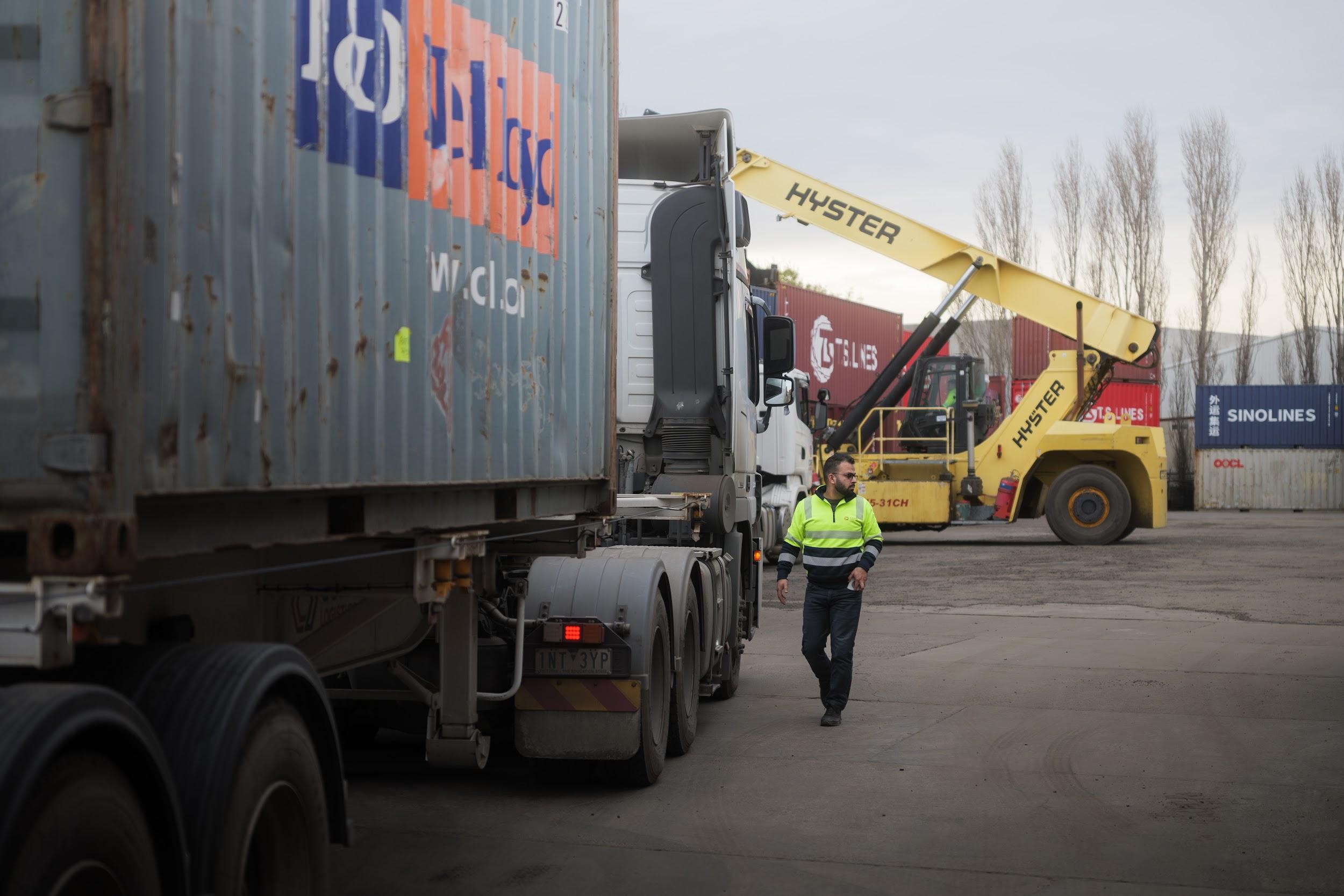
MELBOURNE, VIC — Container transport pricing remains one of the least transparent aspects of the import-export supply chain, yet understanding cost drivers can mean the difference between profitable operations and margin erosion from unexpected charges.
For freight forwarders managing client shipments and importers and exporters moving goods through Melbourne’s ports, transport costs involve far more than simply trucking a container from terminal to destination. Multiple operational, regulatory, and logistical factors determine final pricing—many of which aren’t apparent in initial quotes.
This guide breaks down the seven key cost drivers, reveals the hidden charges that catch supply chain professionals off-guard, and provides a framework for evaluating transport partners based on total landed cost rather than base rates alone.
Distance and Delivery Method
The most obvious cost factor is distance, but delivery method matters equally. Standard trailer (SKEL) configurations work efficiently for consignee sites with forklift access and adequate maneuvering space. Sideloader transport costs more but enables delivery to locations without loading equipment or restricted access points—expanding your serviceable delivery locations.
Metropolitan Melbourne cartage typically ranges from $350 to $750 depending on distance and equipment type, though this represents only the base transport component before terminal fees, empty movements, and additional services.
Regional Victoria deliveries face additional considerations including road quality, access restrictions, limited backload opportunities, and extended transit times—all of which impact pricing. For freight forwarders quoting clients, the critical question isn’t just “Can the carrier deliver there?” but “Can they guarantee delivery windows with appropriate equipment and provide real-time visibility?”
Container Specifications and Cargo Requirements
Container type directly impacts transport costs. A 40-foot container requires different handling and vehicle configuration than a 20-foot unit, while refrigerated (reefer) containers demand additional infrastructure including power supply and temperature monitoring throughout transit—costs that must be factored into client quotes.
Standard versus high-cube height typically doesn’t change base rates, but specialized cargo requirements do. Oversized loads, hazardous materials classified under Dangerous Goods regulations, and overweight containers trigger additional regulatory compliance requirements and specialized handling procedures—each adding cost layers that freight forwarders must account for when providing accurate customer pricing.
Port Terminal and Infrastructure Fees
Melbourne’s port terminals impose various fixed charges that transport operators pass through to customers. These include terminal booking fees, port infrastructure access charges, gate coordination costs, and PONDUS container weight verification fees mandated by the shipping lines.
“Terminal fees are third-party costs outside our control,” explains a representative from Core Logistics, a Melbourne container transport operator. “What separates professional operators from budget carriers is transparency—ensuring freight forwarders, importers and exporters understand these charges upfront rather than discovering them on final invoices.”
These fees typically add several hundred dollars per container movement and fluctuate based on terminal operator pricing changes, peak period surcharges, and booking timeslot availability. For freight forwarders managing client expectations, building these costs into initial quotes prevents margin squeeze and client disputes later.
Empty Container Logistics
Empty container movements represent a significant but often overlooked cost component that directly impacts freight forwarder profitability. Import containers require dehire at empty parks after unpacking, while export operations need empty collection before packing. Each movement incurs separate charges including depot fees, transport costs, and booking coordination expenses.
Poor empty container management leads to detention charges when containers aren’t returned within shipping line free-time windows—costs that escalate daily and quickly erode job margins. For freight forwarders, strategic planning of empty movements and proactive depot coordination with transport partners reduces these costs substantially and protects client relationships.
Export operations face additional complexity when managing empty collections from multiple depots, coordinating with packing facilities, and ensuring containers arrive with sufficient time for stuffing before vessel cutoff dates. Exporters managing their own logistics must factor these coordination requirements into their shipping timelines.
Fuel, Tolls, and Variable Operating Costs
Variable operating costs including fuel prices, toll road charges, and fleet maintenance create pricing fluctuations that professional transport operators communicate transparently. Fuel surcharges adjust as diesel prices change—a particularly significant factor during periods of price volatility.
Melbourne’s expanding toll road network adds route-dependent costs. CityLink, EastLink, and the expanding West Gate Tunnel connection create toll variations of $20-50 per movement depending on origin and destination—costs that freight forwarders should verify are accurately reflected in transport quotes.
Reliable transport operators maintain modern fleets meeting current environmental and safety standards under NHVR regulations—an investment that costs more initially but reduces breakdown-related delays and associated charges that damage freight forwarder reputations with clients.
Bundled Service Requirements
Container transport rarely involves pure point-to-point movement. Most import and export shipments require additional services that freight forwarders must coordinate:
- Container unpacking (destuffing) for imports and packing (stuffing) for exports
- Short-term warehousing and storage
- Cross-docking operations for consolidation
- AQIS fumigation treatments for timber packaging
- Tailgate inspections for customs compliance
- Weighbridge verification for VGM requirements
Coordinating these services across multiple providers increases communication overhead, creates handoff delays, and multiplies potential failure points—each representing risk for freight forwarders managing client expectations.
Integrated logistics providers offering bundled services typically reduce total landed costs through improved coordination and single-point accountability, even if individual service prices appear similar to specialized providers. For freight forwarders, importers and exporters, this consolidation reduces administrative burden and risk of service gaps that damage client relationships or delay vessel departures.
Volume, Consistency, and Contract Opportunities
While higher volumes enable better pricing, consistency matters more than pure volume for securing favorable long-term rates. Regular shipment patterns allow transport operators to optimize routes, reduce empty running, and plan equipment allocation efficiently—savings that can flow back through negotiated contract rates.
For freight forwarders representing multiple clients, aggregating volumes across your customer base when negotiating transport contracts creates leverage. Importers and exporters with predictable shipping schedules can also negotiate volume-based contracts that provide cost certainty. One-off shipments lack optimization opportunities and typically carry premium pricing to cover positioning costs and uncertainty.
Seasonal volume fluctuations should be discussed transparently with transport partners. Operators who understand your annual patterns can provide stable pricing during peak periods rather than spot-rate premiums that squeeze margins.
Hidden Costs That Erode Margins
Four cost categories frequently catch freight forwarders, importers and exporters unprepared, turning profitable jobs into margin-negative operations:
Waiting time charges: Port congestion causes unpredictable delays. Transport operators bill waiting time when trucks sit idle at terminals beyond allocated timeslots. These charges accumulate quickly—often $80-120 per hour—and can add hundreds of dollars to individual movements. Professional operators build realistic buffer time into schedules and communicate delays proactively, preventing invoice disputes.
Yard storage fees: Containers stored at transport yards beyond agreed timeframes trigger daily storage charges. For freight forwarders, unclear communication about consignee delivery windows or receiver unavailability often causes these unexpected costs. For exporters, delays in packing facilities or document preparation can result in similar storage charges. Establishing clear storage policies before booking prevents disputes and enables accurate client billing.
Detention and demurrage: When import containers aren’t returned to empty parks within shipping line free-time periods, daily charges begin—typically $100-200 per day and escalating over time. Export containers held beyond agreed periods face similar penalties from depots. These costs compound quickly and can exceed the original transport fee within a week.
For freight forwarders, proactive coordination with consignees about unpacking timeframes and with exporters about packing schedules, combined with communicating realistic free-time windows to clients, prevents these margin-killing charges.
Failed pickup and redelivery fees: Incorrect booking information, consignee unavailability, site access issues, or missed delivery windows necessitate redelivery attempts. For export shipments, delays can result in missed vessel cutoffs requiring expensive roll-overs. Each reattempt adds transport costs, administration fees, and potential storage charges—plus client relationship damage.
Professional transport operators maintain real-time communication with all stakeholders and verify delivery requirements before dispatch, eliminating most of these inefficiencies.
Selecting Cost-Effective Transport Partners
The lowest initial quote rarely represents the best value for freight forwarders managing client relationships and importers and exporters controlling logistics budgets. When evaluating container transport providers, consider:
Pricing transparency: All-inclusive quotes showing terminal fees, empty movements, and standard services—not base transport rates that balloon with “additional charges” later.
Integrated service capabilities: Single providers handling transport, storage, unpacking, packing, and fumigation reduce coordination overhead and eliminate gaps between service providers.
Communication systems: Real-time visibility, proactive exception management, and dedicated account support that protects your client relationships and prevents missed vessel cutoffs.
Empty container management: Proven systems for coordinating depot returns and managing free-time windows to avoid detention charges on both import and export movements.
Compliance frameworks: NHVR compliance, Chain of Responsibility documentation, and safety management systems that protect you from regulatory liability.
Transport partners who optimize delivery schedules, reduce empty running through backload coordination, and manage port bookings efficiently deliver better total landed costs than those competing purely on advertised base rates.
Cost Management Best Practices
Freight forwarders, importers and exporters can minimize container transport costs through strategic planning. Consolidate shipments when possible to leverage volume pricing. Maintain realistic delivery timelines that avoid rushed bookings and premium rates. Communicate clearly about consignee site access requirements and packing facility capabilities to ensure appropriate equipment assignment. Plan empty container returns proactively to avoid detention charges.
Most importantly, evaluate transport partners based on total cost and service reliability rather than lowest advertised rates. Hidden fees from unreliable operators consistently exceed the premium paid for transparent, coordinated service. For freight forwarders, choosing partners who protect your margins and client relationships delivers far more value than saving $50 on base transport rates. For importers and exporters, reliable transport partners prevent costly disruptions to supply chains and customer commitments.