From plastic and aluminum to paper, stretch film, and non-woven fabric, choosing the right packaging material can directly affect a business’s costs, sustainability goals, and brand image. This guide breaks down the five most common types of industrial packaging materials, what they’re used for, and how to choose the right one for your operation.
Packaging is rarely the first thing customers notice about a product, at least not until it fails. For wholesalers, retailers, and manufacturers, the choice of packaging material affects far more than appearance. It determines shipping costs, shelf life, sustainability credentials, and even how a brand is perceived at the point of sale. With so many material options available, it helps to understand what each one actually offers before making a bulk purchasing decision.
Plastic Packaging: Versatility at Scale
Plastic remains one of the most widely used packaging materials across industries. That’s largely because of its flexibility, low cost per unit, and resistance to moisture and contamination. From retail bags to protective wrapping, custom plastic packaging products are manufactured in a wide range of thicknesses, colors, and finishes to match different use cases, whether that’s food-safe packaging, industrial containers, or branded retail bags. Businesses ordering in bulk often find plastic to be the most cost-efficient option when durability and moisture resistance are priorities.
Aluminum Packaging: Built for Protection
When a product needs to be shielded from light, air, or extreme temperatures, aluminum is often the material of choice. It’s commonly used in food service, pharmaceutical, and industrial packaging where preserving freshness or preventing contamination really matters. Suppliers offering aluminum packaging products typically provide options ranging from foil wraps to rigid containers, so businesses can pick whatever fits their needs, whether that’s flexible barrier packaging or something sturdier.
Paper Bags: The Sustainable Standard
As more regions restrict single-use plastics, paper has become a go-to alternative for retailers and food service businesses looking to align with environmental regulations without sacrificing durability. A reliable custom paper bags manufacturer can produce bags reinforced for weight capacity while still keeping them fully recyclable. That combination matters for businesses trying to balance sustainability claims with practical, everyday use. Paper also takes printing and custom designs well, so there’s good branding potential too.
Stretch Film: Keeping Bulk Shipments Secure
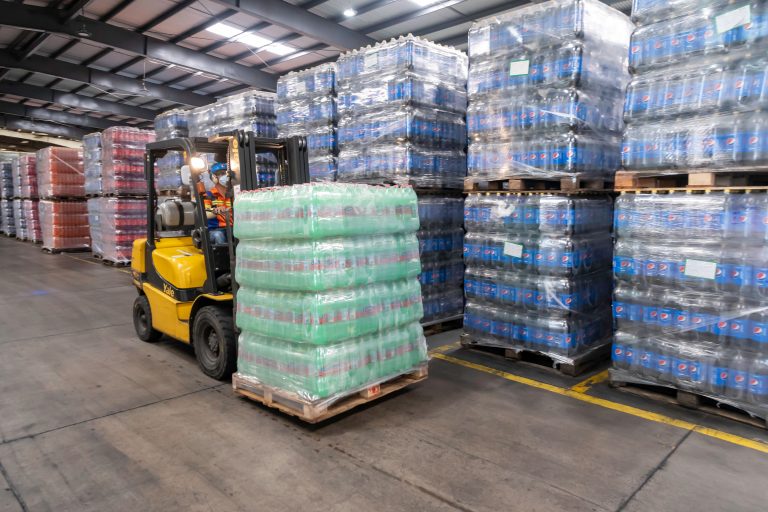
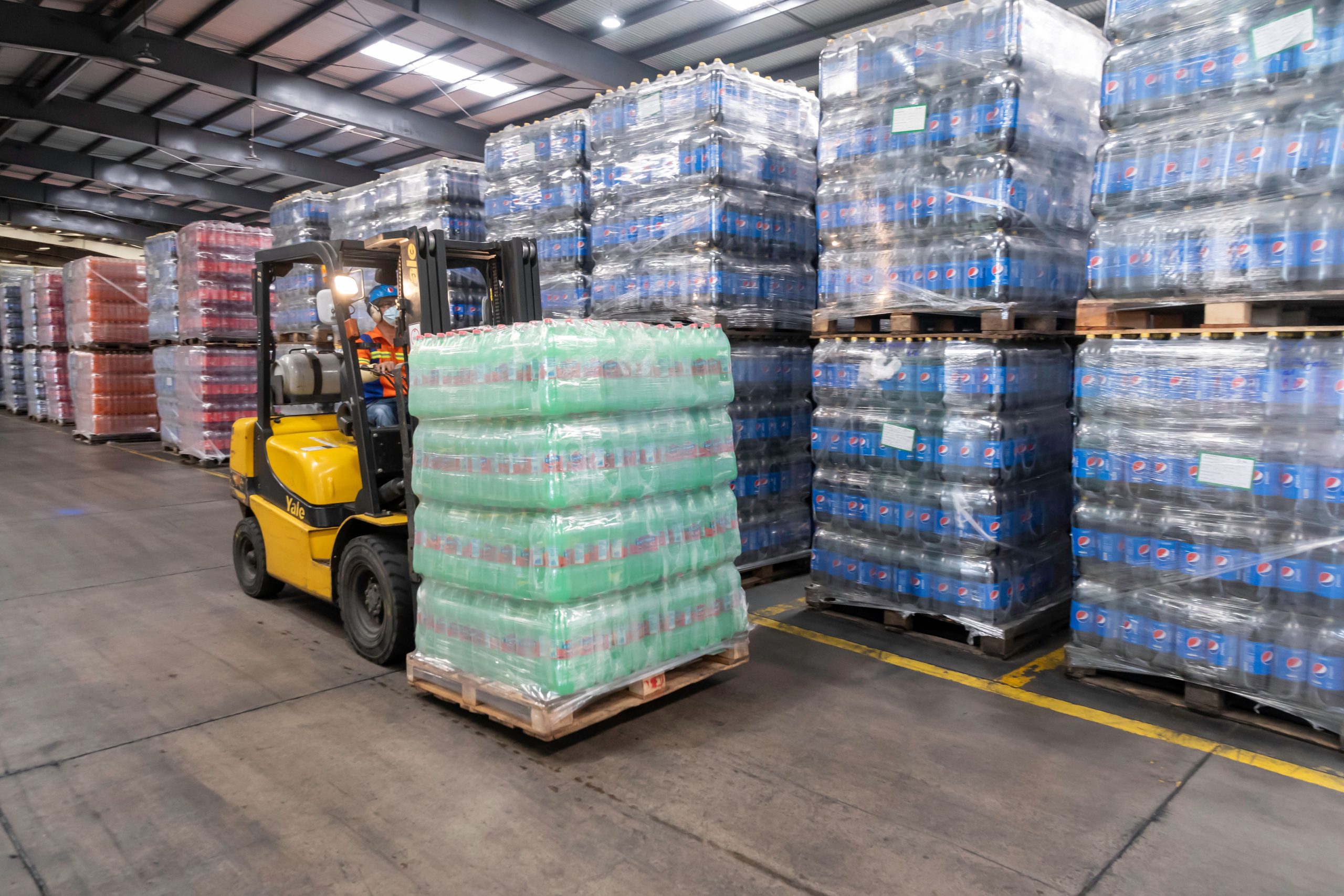
For businesses shipping palletized goods, stretch film is a quiet but essential part of the supply chain. It holds products together during transit, protects against dust and moisture, and reduces the risk of shifting or damage along the way. Industrial-grade stretch film wrapping rolls are usually chosen based on stretch ratio, thickness, and load-holding force. These factors directly affect how much film is needed per pallet and, in turn, overall packaging costs.
Non-Woven Bags: Reusable and Brand-Friendly
Non-woven polypropylene bags have become one of the fastest-growing packaging categories, driven mostly by demand for reusable, eco-conscious alternatives to plastic. They’re lightweight, customizable, and durable enough for repeated use, which makes them popular for retail giveaways, grocery stores, and promotional campaigns. Businesses sourcing from a dependable custom non woven bags supplier can usually customize size, color, and printed branding to fit both their operational needs and marketing goals.
Choosing the Right Material for Your Business
There’s no single “best” packaging material. The right choice really depends on the product being packaged, shipping requirements, budget, and sustainability goals. Many businesses end up using a combination of materials: stretch film for bulk shipping, non-woven or paper bags for customer-facing retail, and plastic or aluminum for products that need specific protective properties.
Working with a supplier that offers multiple packaging categories under one roof can simplify procurement quite a bit, letting businesses source everything from protective wraps to reusable retail bags without having to manage a handful of different