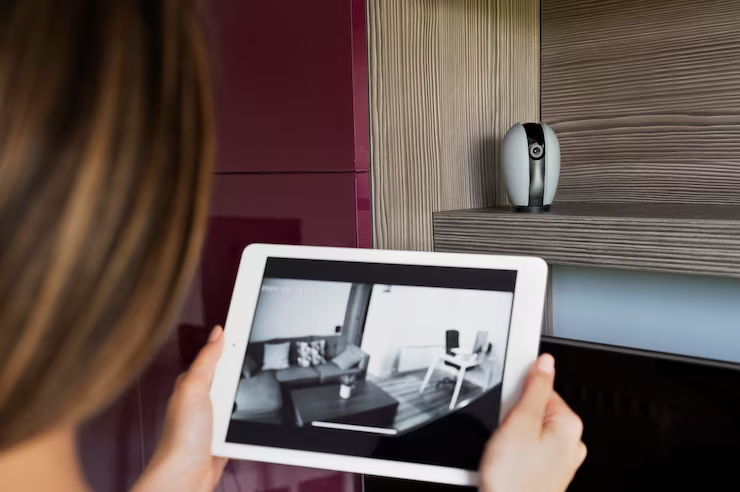
In today’s world, security cameras have become essential tools for protecting homes and businesses. However, sometimes the presence of visible cameras can be a deterrent — or worse, invite tampering or vandalism. That’s where hiding security cameras comes in. Concealing your surveillance devices can help you monitor your property discreetly, catch suspicious activity in the act, and maintain the aesthetic of your space.
This comprehensive guide will explore everything you need to know about hiding security cameras effectively. We’ll cover the best types of hidden cameras, smart placement ideas, legal considerations, and tips on how to ensure your covert cameras work reliably. Whether you want to secure your home, office, or storefront without drawing attention, this article will help you make informed decisions for stealthy security.
Why Hide Security Cameras? Benefits of Discreet Surveillance
Visible security cameras have a clear deterrent effect. But sometimes, the benefits of concealing your cameras outweigh the risks of being seen.
Advantages of Hiding Security Cameras
- Prevent Tampering or Damage: When intruders or vandals don’t know where your cameras are, they can’t easily disable them.
- Catch Criminals in the Act: Hidden cameras record actions as they happen without alerting suspects.
- Maintain Privacy and Aesthetics: Concealed cameras blend into your environment without disrupting decor or privacy expectations.
- Surveillance in Sensitive Areas: Certain spaces require discreet monitoring without making people uncomfortable.
- Protect Staff or Customers: In retail or hospitality, subtle security helps monitor without creating an oppressive atmosphere.
Types of Hidden Security Cameras
Not all security cameras are created equal when it comes to hiding them. Here are some popular types designed for discreet surveillance.
1. Miniature Cameras
Miniature or micro cameras are extremely small, making them easy to hide inside objects or inconspicuous spots. They can be wireless or wired depending on your setup.
2. Pinhole Cameras
Pinhole cameras have tiny lenses that can be concealed behind surfaces like glass or walls. Their small size allows for almost invisible installation.
3. Spy Cameras
Often disguised as everyday objects (clocks, smoke detectors, USB chargers), spy cameras provide natural camouflage while recording.
4. Dummy Cameras
Although not real cameras, dummy cameras look like the real thing and can be used alongside hidden cameras for extra deterrence.
Clever Places to Hide Security Cameras
Where you install your hidden cameras can make a big difference in their effectiveness. Here are some smart spots to conceal your devices:
- Inside smoke detectors or electrical outlets
- Behind mirrors or glass panels (using pinhole cameras)
- Within air vents or ducts
- Inside books, plants, or decorative objects
- Mounted in ceiling corners or high shelves
- Behind picture frames or wall clocks
- Within light fixtures or lampshades
Legal Considerations for Hiding Security Cameras
Before installing any hidden cameras, it’s important to understand local laws regarding privacy and surveillance. Here are some general guidelines:
- Avoid placing cameras in private areas like bathrooms or bedrooms.
- Inform employees or residents if surveillance is active, depending on jurisdiction.
- Do not record audio without proper consent in many regions.
- Use cameras solely for legitimate security purposes.
Always check local regulations to ensure your hidden security cameras comply with the law.
How to Choose the Best Hidden Security Camera for Your Needs
Selecting the right camera depends on your specific surveillance goals. Consider these factors:
- Resolution: Higher resolution means clearer footage, which is critical for identifying faces or details.
- Night Vision: Cameras with infrared or low-light capabilities ensure round-the-clock monitoring.
- Power Source: Battery-powered cameras are easier to hide but require regular charging, while wired cameras offer continuous power.
- Connectivity: Wireless cameras provide flexibility, but wired systems are more reliable.
- Storage Options: Check if the camera stores footage locally (SD cards) or on the cloud for easy access.
- Field of View: A wider angle covers more area but may require careful placement to avoid blind spots.
Tips for Effective Installation of Hidden Cameras
Proper installation is key to maximizing the benefits of hidden cameras. Follow these tips:
- Test camera angles thoroughly before finalizing installation.
- Keep wiring and power sources concealed.
- Avoid reflective surfaces that may reveal the camera lens.
- Position cameras where lighting conditions enhance video quality.
- Ensure cameras are stable and protected from weather or tampering.
Maintaining Your Hidden Security Cameras
Like all technology, hidden cameras need regular maintenance to stay effective:
- Clean lenses gently to prevent dust or smudges.
- Check battery levels if using wireless models.
- Update firmware and software to protect against hacking.
- Periodically review footage to ensure cameras capture the intended areas.
- Replace or repair damaged components promptly.
Comparison Table: Hidden Camera Types and Features
| Camera Type | Size | Best For | Power Source | Pros | Cons |
| Miniature | Very Small | Indoor/outdoor spots | Wired or Battery | Easy to conceal, high res | Battery may need frequent charging |
| Pinhole | Tiny lens | Behind glass/mirrors | Wired | Almost invisible | Requires precise installation |
| Spy Cameras | Varies | Disguised objects | Wired or Battery | Natural camouflage | Limited field of view |
| Dummy Cameras | Standard size | Deterrent only | N/A | Cheap, easy deterrent | No actual recording |
Common Myths About Hiding Security Cameras
Myth 1: Hidden Cameras Are Always Illegal
Truth: When used responsibly and in compliance with laws, hidden cameras are legal for security purposes.
Myth 2: You Can Hide Cameras Anywhere
Truth: Cameras should never invade personal privacy or be installed in prohibited areas.
Myth 3: Hidden Cameras Are Less Effective
Truth: When properly placed and maintained, hidden cameras can be just as effective as visible ones.
Final Thoughts on Hiding Security Cameras
Hiding security cameras is a smart strategy for discreet surveillance that enhances safety without drawing unwanted attention. Whether you want to prevent theft, monitor employees, or simply keep your property secure, concealed cameras offer flexibility and peace of mind.
Remember to choose the right type of camera, pick optimal hiding spots, and respect legal boundaries. With careful planning and upkeep, your hidden security cameras will be powerful tools in protecting what matters most.