When it comes to safety in public buildings, schools, offices, or hospitals, emergency exit doors play a big role. These doors are meant to help people leave the building quickly during an emergency like a fire or power outage. But here’s something not everyone thinks about: how these doors are locked can make a huge difference.
You may think any regular lock will do, but that’s not always true. The wrong lock can slow people down or even block the way out. That’s why knowing https://www.actionlockdoc.com/blog/best-types-locks-emergency-exit-door/ is so important. In this article, we’ll talk about how these locks work, why they matter, and how to pick the right one.
Why Regular Locks Don’t Always Work
Most of us are used to turning a key or pushing a button to unlock a door. But in an emergency, there’s no time to fumble around. People need to get out fast and without thinking too much. That’s why emergency exit doors have special locks that follow safety rules.
These locks are made to let people leave easily, even if the door is locked from the outside. In many places, fire safety codes say that exit doors must open with one simple action, like pushing a bar or pad. No keys. No tools. No extra steps.
Three Common Types of Emergency Exit Locks
There’s no one-size-fits-all answer, but here are three main types of locks used for emergency exits:
1. Free Egress Doors
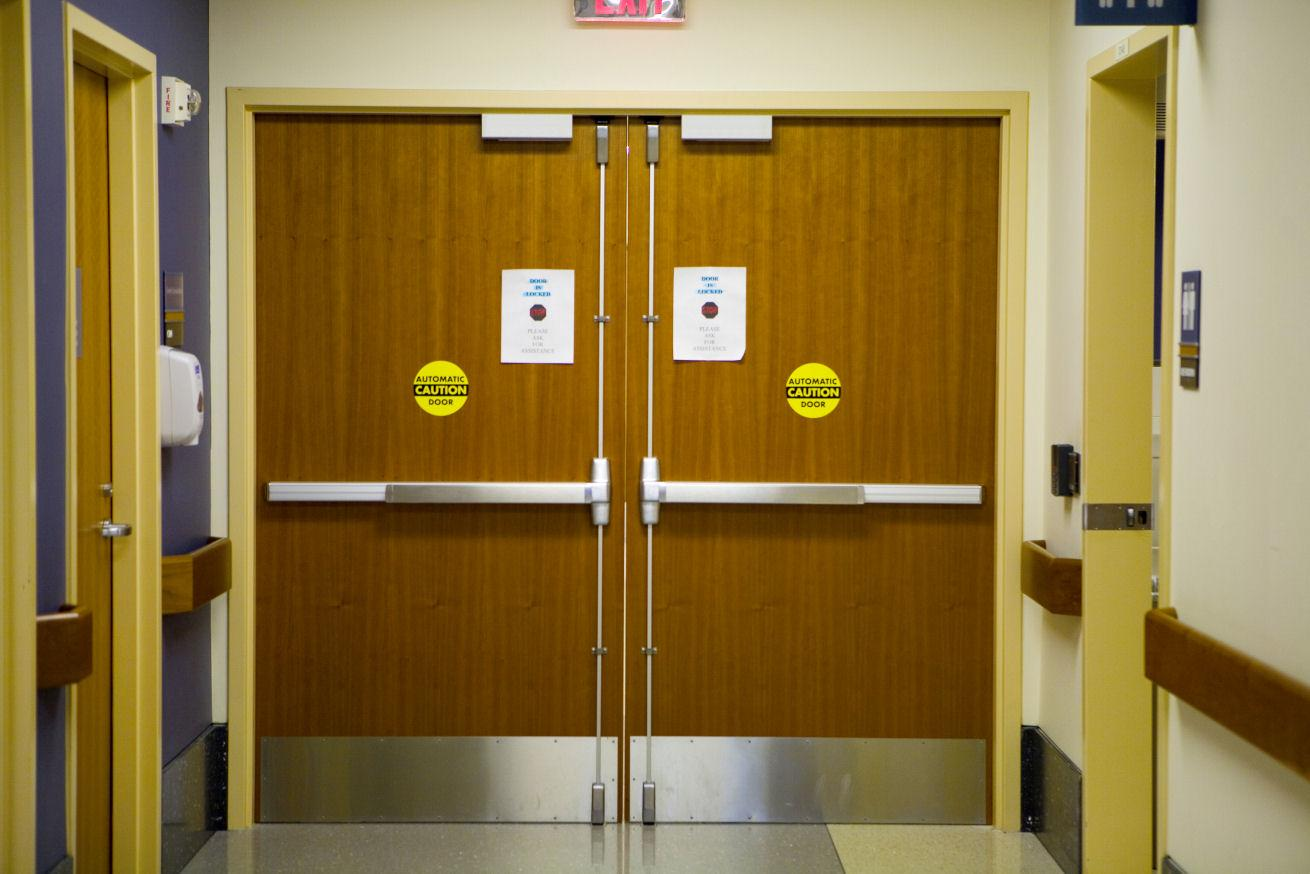
These are the most common. They let people walk out with one push. You’ve probably seen doors with crash bars or push bars in schools, malls, or movie theaters. These doors are made to open quickly during emergencies but still keep things secure from the outside.
2. Delayed Egress Doors
These doors are a bit different. When someone pushes the bar, the door does not open right away. There’s a short delay, usually around 15 seconds and then the door unlocks. This type is used in places like stores or airports where security is also a big concern. While they delay exit slightly, they still meet safety rules if alarms, lights, and signs are in place.
3. Controlled Egress Doors
These are mostly found in hospitals or nursing homes. Sometimes, it’s not safe for certain people to walk out on their own. These locks can stay locked even during a fire but must unlock when staff presses a button or when needed by emergency teams. They follow strict safety rules too.
What About the Locking Mechanism?
Behind the scenes, these doors can use electric locks, magnetic locks, or mechanical push bars. Some are connected to fire alarms so they open when needed. Others stay locked until a timer ends or a staff member opens them remotely.
A good emergency exit lock should do two things: keep people safe inside and let them out fast when it matters. Choosing the wrong lock could mean breaking fire safety laws or putting people at risk.
Who Decides What’s Safe?
In the United States, there are rules called the Life Safety Code. These rules say that anyone inside a public building must be able to open an emergency door easily and without help. Local fire departments also check to make sure buildings follow the law.
So, if you own or manage a building, it’s not just about picking a strong lock. You need one that meets the law, protects your building, and keeps people safe all at once.
How to Choose the Right Lock
It’s best to talk to a licensed locksmith who understands commercial buildings and local rules. Professionals can help you figure out what kind of lock works best for your space. That way, your doors are both secure and safe during an emergency.
If you want a clear guide on what to look for, check out https://www.actionlockdoc.com/blog/best-types-locks-emergency-exit-door/. It covers the pros and cons of each type and explains things in simple terms.