Buying something used to be a straightforward decision. If you needed a product, you saved money, purchased it, and kept it for as long as possible. Today, that approach is changing. From streaming entertainment and renting furniture to subscribing to software and sharing vehicles, people have more ways to access products and services without owning them.
This shift raises an interesting question: Is purchasing something always the smartest financial decision, or can temporary access offer greater value? Understanding the difference between ownership and access can help consumers make better choices based on their lifestyle, priorities, and financial circumstances.
Understanding the Changing Meaning of Ownership
Ownership traditionally represents independence, security, and personal freedom. Purchasing a home, vehicle, or expensive appliance gives individuals control over something they can use without depending on a rental agreement or subscription provider.
However, ownership also comes with responsibilities. Maintenance, repairs, insurance, storage, and eventual replacement can make an initially affordable purchase more expensive over time. A vehicle, for example, requires regular servicing, registration, and insurance even when it spends most of its time parked.
Access offers a different arrangement. Instead of paying for permanent possession, consumers pay for the opportunity to use something when necessary. This approach can reduce initial expenses while providing flexibility, particularly for people whose needs change frequently.
Recognizing When Access Makes More Financial Sense
Not every product deserves a permanent place in your home. Equipment used occasionally, specialized tools, and items required for temporary projects are often better rented than purchased.
Consider someone planning a weekend home renovation. Purchasing expensive equipment for a single project may create unnecessary expenses and storage problems. Renting suitable tools allows the work to be completed without committing to long term ownership.
Families face similar decisions when purchasing products for children. Babies and young children quickly outgrow clothing, furniture, and recreational equipment. Resources such as a parenting guide Australia can introduce families to practical considerations around buying secondhand, borrowing suitable items, and choosing products that offer lasting value. Safety standards, product condition, and hygiene should remain important considerations, especially for children’s equipment.
Understanding When Ownership Still Offers Better Value
Although access provides convenience, purchasing certain products remains financially sensible. Items used frequently over several years often deliver better value when owned outright.
Kitchen appliances, essential furniture, everyday clothing, and regularly used technology are examples of purchases that may justify their initial cost. Ownership also eliminates concerns about recurring rental payments, changing subscription prices, and restrictions imposed by service providers.
Durability plays an important role in these decisions. A well manufactured product that lasts several years may cost less overall than repeatedly renting or replacing cheaper alternatives. Consumers should therefore evaluate expected usage, maintenance requirements, and product lifespan before deciding.
An Australia online publication covering consumer trends may explore these changing purchasing habits, particularly as households reconsider spending priorities and seek greater financial flexibility.
Subscription Convenience Comes With Hidden Tradeoffs
Subscription services have transformed entertainment, technology, transportation, and even household essentials. Their appeal comes from predictable payments, convenient access, and the ability to use products without substantial upfront investment.
However, recurring expenses can accumulate unnoticed. Multiple entertainment platforms, software subscriptions, fitness memberships, and delivery services may collectively represent a significant monthly commitment.
Another concern involves losing access when payments stop. Unlike purchased products, subscription based services generally provide usage rights rather than permanent ownership. Providers may also change pricing, remove features, or discontinue services.
Readers exploring lifestyle and consumer discussions through platforms such as Melbwire Australia may encounter different perspectives on digital subscriptions and changing spending habits. Reviewing actual usage regularly can help consumers identify services worth maintaining and those that no longer justify their cost.
Considering Environmental Impact Alongside Financial Value
Ownership and access also influence consumption patterns and environmental responsibility. Sharing equipment, renting occasional use products, and purchasing secondhand goods can reduce demand for newly manufactured items.
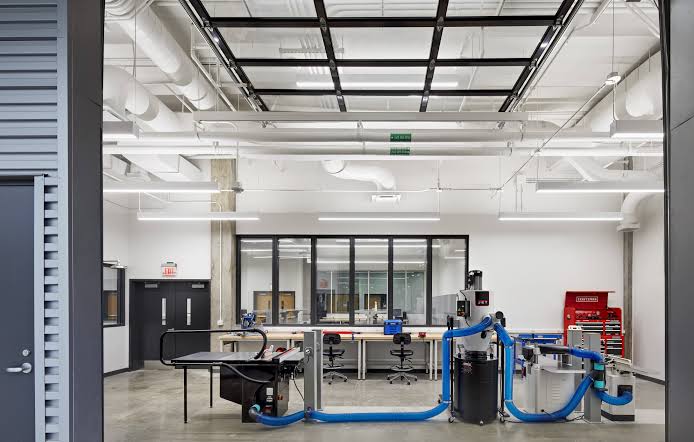
For example, community tool libraries allow several households to use equipment that would otherwise remain unused for most of the year. Similarly, renting formal clothing for occasional events may reduce unnecessary purchases and wardrobe clutter.
However, access is not automatically environmentally friendly. Frequent deliveries, transportation requirements, packaging, and short product lifespans can reduce its environmental advantages.
Lifestyle discussions on platforms such as SydHub Blog can encourage readers to examine consumption habits from broader perspectives, including practicality, waste reduction, and responsible purchasing.
Making Purchasing Decisions Based on Actual Needs
Choosing between ownership and access requires more than comparing advertised prices. Consumers should consider how frequently they will use something, how long they need it, and whether their circumstances might change.
A useful approach involves calculating the total cost of ownership, including maintenance, storage, repairs, and replacement. That figure can then be compared with rental fees or subscription expenses over the same period.
Personal convenience matters too. Some people value having equipment immediately available, while others prefer avoiding responsibility for maintaining possessions.
Conclusion
Ownership and access are not competing approaches where one must always replace the other. Both serve different purposes depending on individual needs, financial priorities, and lifestyle preferences.
The smartest decision is not necessarily buying less or renting more. It is understanding which possessions genuinely deserve a permanent place in your life and which needs can be satisfied through temporary access. Thoughtful choices can reduce unnecessary expenses while allowing consumers to enjoy greater flexibility and lasting value.