
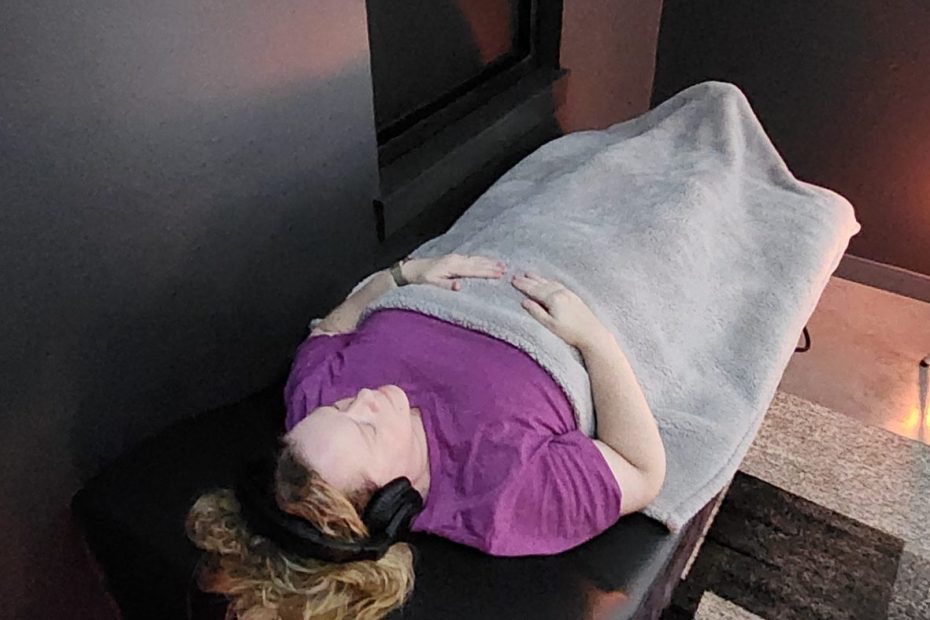
In today’s fast-paced world, people are increasingly turning to innovative wellness technologies that promote relaxation, pain relief, and overall balance. One of the most promising advancements in holistic health is the vibroacoustic therapy system. This non-invasive solution combines low-frequency sound vibrations with therapeutic music to support both physical and mental well-being.
Unlike traditional massage or sound therapy alone, this advanced method uses carefully calibrated frequencies delivered through specialized equipment such as therapy beds, chairs, or mats. The gentle vibrations resonate through the body, encouraging deep relaxation while stimulating natural healing responses.
What Is Vibroacoustic Therapy?
Vibroacoustic therapy is a therapeutic technique that uses low-frequency sound waves, typically between 30 Hz and 120 Hz, to create soothing vibrations throughout the body. These vibrations are transmitted through speakers embedded in specially designed equipment, allowing the user to feel as well as hear the sound.
This method was originally developed in the 1980s and has since been adopted in clinical, rehabilitation, and wellness settings. It is now widely used in physical therapy centers, spas, integrative health clinics, and even at home.
How It Works
The core principle behind this technology is resonance. Every organ and tissue in the body has a natural frequency. When exposed to specific low-frequency sound waves, the body responds through a process called sympathetic resonance. This interaction can:
- Improve blood circulation
- Relax tight muscles
- Reduce stress and anxiety
- Support pain management
- Promote better sleep
The therapy typically involves lying or sitting on equipment that transmits vibrations directly into the body while calming music plays through headphones or speakers. Sessions generally last between 20 and 45 minutes, depending on individual needs.
Key Benefits of Vibroacoustic Technology
1. Stress Reduction and Relaxation
Low-frequency sound vibrations help activate the parasympathetic nervous system, which is responsible for the body’s “rest and digest” response. This can lower cortisol levels and encourage deep mental calmness.
2. Pain Relief Support
Research suggests that vibration therapy may help reduce chronic pain conditions such as fibromyalgia, arthritis, and lower back pain. The vibrations increase circulation and may decrease muscle tension, contributing to natural pain relief.
3. Improved Sleep Quality
Many users report better sleep after sessions due to the calming neurological effects of rhythmic sound waves. Consistent use can support healthier sleep patterns.
4. Enhanced Rehabilitation Programs
Healthcare providers sometimes incorporate vibroacoustic therapy alongside physical rehabilitation to assist with muscle recovery and mobility training. The gentle stimulation helps relax muscles before or after therapeutic exercise.
Where It Is Used
Modern vibroacoustic therapy system setups can be found in various environments, including:
- Physical therapy clinics
- Wellness and spa centers
- Integrative medical practices
- Mental health facilities
- Special education programs
- Home wellness spaces
Its versatility makes it suitable for both professional and personal use.
Who Can Benefit?
This therapy may be helpful for individuals experiencing:
- Chronic pain
- Stress and anxiety
- Insomnia
- Muscle tension
- Neurological conditions
- Sensory processing challenges
While generally considered safe, individuals with pacemakers, acute injuries, or certain medical conditions should consult a healthcare provider before use.
Why This Technology Is Gaining Popularity
The increasing demand for non-drug pain management and stress reduction solutions has contributed to the rapid growth of sound-based therapies. As people look for holistic alternatives, vibrational healing tools are becoming more accessible and scientifically studied.
Furthermore, advancements in digital frequency programming allow sessions to be tailored to specific needs, making treatments more personalized than ever before.
Choosing the Right Equipment
When selecting a device, consider factors such as:
- Frequency range capabilities
- Build quality and durability
- Certification and safety standards
- Customizable program options
- Professional vs. home-use design
Investing in high-quality equipment ensures optimal performance and long-term benefits.
Final Thoughts
A vibroacoustic therapy system represents a powerful fusion of sound science and wellness innovation. By harnessing the therapeutic potential of low-frequency vibrations, this technology offers a natural way to support relaxation, pain management, and overall health. As awareness grows and research expands, vibrational therapy is likely to become an essential component of modern integrative healthcare.