

Every homeowner deserves a comfortable living environment, and ensuring effective residential heating and cooling systems is key to achieving that comfort. Understanding the fundamentals of these systems can help homeowners make informed decisions about installation, maintenance, and upgrades, ultimately leading to improved comfort and energy efficiency.
1. The Components of Residential Heating and Cooling Systems
Residential heating and cooling systems typically consist of several essential components that work together to regulate indoor temperatures. The primary elements include furnaces or boilers for heating and air conditioning units or heat pumps for cooling.
Additionally, ductwork, thermostats, and ventilation systems are also crucial as they distribute conditioned air throughout the home. By learning about these components, homeowners can better understand how their systems function and what might need attention during maintenance or repairs.
2. Types of Heating Systems
When it comes to residential heating and cooling systems, a variety of heating options are available. The most common types include forced air systems, which utilize a furnace to heat air that is then distributed through ductwork; radiant heating systems, which use heated floors or wall panels; and boiler systems, which heat water that circulates through radiators.
Each type of heating system has its own benefits and drawbacks, making it important for homeowners to assess their needs, space, and budget when selecting the appropriate system for their homes.
3. Cooling Options for Homes
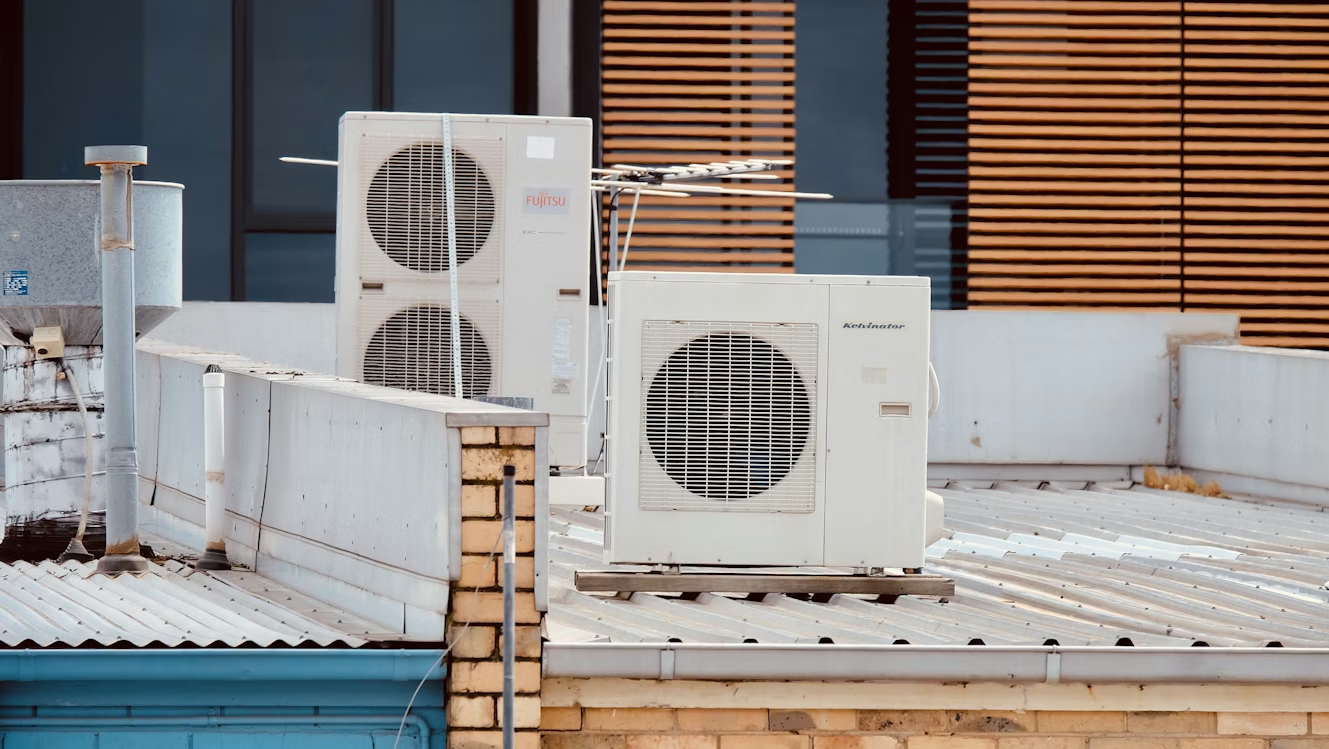
In addition to heating, residential heating and cooling systems also provide essential cooling features. Central air conditioning systems are popular in many homes, using ducts to circulate cooled air. Alternatively, ductless mini-split systems offer flexibility, allowing homeowners to cool specific areas without extensive ductwork.
Another cooling option includes window units or portable air conditioners, which are ideal for smaller spaces or temporary solutions. Understanding these cooling options equips homeowners with the knowledge to make choices that best suit their living conditions.
4. Energy Efficiency Considerations
The efficiency of residential heating and cooling systems plays a vital role in energy consumption and utility costs. Homeowners should look for systems that have high Seasonal Energy Efficiency Ratio (SEER) ratings for cooling and Annual Fuel Utilization Efficiency (AFUE) ratings for heating.
Additionally, investing in programmable or smart thermostats can help optimize energy usage by allowing homeowners to set schedules and control temperatures remotely. Being mindful of energy efficiency not only reduces environmental impact but also results in significant savings over time.
5. Regular Maintenance for Optimal Performance
To keep residential heating and cooling systems working efficiently, regular maintenance is essential. This includes changing air filters, cleaning ducts, and scheduling annual professional inspections. During these inspections, trained technicians can identify potential issues before they become major problems, ensuring the system operates smoothly and effectively. By committing to a regular maintenance schedule, homeowners can extend the lifespan of their systems, enhance performance, and maintain comfort throughout the year.
Conclusion
In conclusion, understanding the basics of residential heating and cooling systems is critical for every homeowner. By familiarizing themselves with the various components, types of systems, energy efficiency considerations, and maintenance requirements, homeowners can make informed decisions that enhance their comfort and optimize their investments.
Effective heating and cooling systems not only contribute to a pleasant living environment but also play a significant role in energy management and cost savings.