

Jaw discomfort is often dismissed as a minor issue caused by stress or fatigue. Yet for many people, tmj pain becomes a persistent condition that affects eating, sleep, focus, and overall quality of life. What begins as occasional stiffness or clicking can gradually turn into chronic discomfort that interferes with daily routines.
As healthcare continues to evolve in 2025, patients are becoming more selective about how they manage pain. There is growing interest in non-invasive therapies that aim to support healing rather than relying solely on medication or surgical intervention. This shift has placed renewed focus on modern, function-based approaches to TMJ care.
Why This Condition Is More Complex Than It Appears
The temporomandibular joint is one of the most frequently used joints in the body. It connects the lower jaw to the skull and enables essential actions such as chewing, speaking, and yawning. Because of its constant use and intricate structure of muscles, tendons, and connective tissue, even minor dysfunction can lead to noticeable discomfort.
This condition is often misunderstood because its symptoms overlap with other issues. Headaches, ear pressure, facial soreness, and neck tension are commonly experienced alongside jaw-related discomfort. As a result, many individuals spend years managing secondary symptoms without addressing the joint itself.
Recognizing the Signs
Conditions affecting the jaw do not present the same way for everyone. Some people notice mild tightness that comes and goes, while others experience persistent discomfort or limited jaw movement. Clicking or popping sounds when opening the mouth, difficulty chewing, jaw locking, and frequent headaches are among the most common indicators.
Symptoms can vary depending on stress levels, posture, and daily habits. This variability is one reason these issues often go unnoticed or are misattributed until they begin to significantly affect daily life.
What Contributes to Discomfort Over Time
In most cases, this type of discomfort does not have a single, identifiable cause. Instead, it often develops from a combination of factors. Clenching or grinding the teeth, which is often related to stress, can place extra strain on the surrounding muscles and tissues. Poor posture, particularly forward head position during long hours of screen use, may also affect movement and alignment.
Other contributing elements can include prior injuries, arthritis, genetic predisposition, or repetitive habits such as nail biting or chewing on hard objects. Because multiple systems are typically involved, effective relief usually requires more than a surface-level solution.
Limitations of Conventional Treatments
Traditional treatment options typically focus on controlling symptoms. Mouth guards, anti-inflammatory medications, and muscle relaxants can reduce discomfort temporarily, but they do not always address underlying inflammation, muscle dysfunction, or tissue irritation in the area.
In more severe cases, surgery may be considered, though many people are hesitant due to the associated risks and recovery time. This has created growing interest in therapies that are lower risk and better suited for long-term health and function.
Photobiomodulation as a Modern Treatment Option
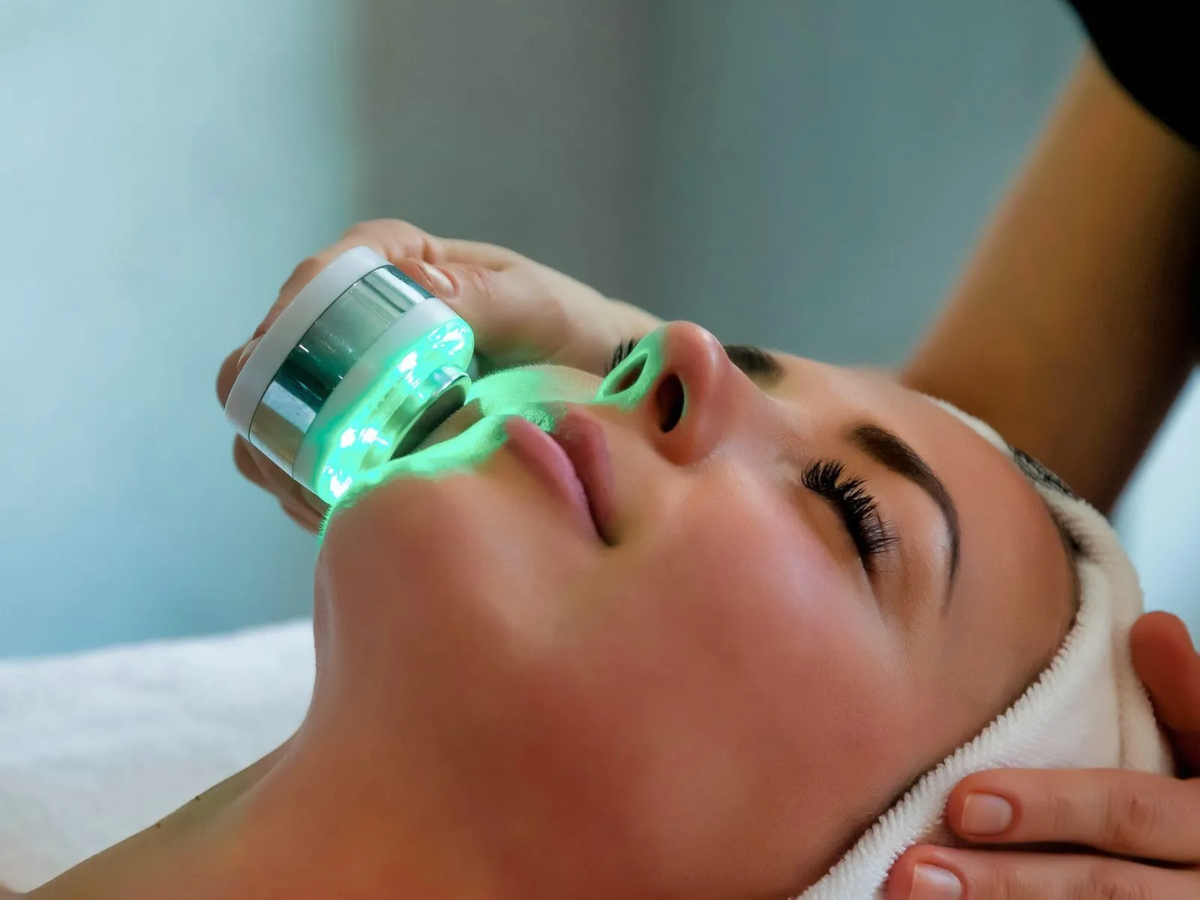
One approach gaining attention in musculoskeletal and functional medicine is photobiomodulation. This non-invasive therapy uses specific wavelengths of light to stimulate cellular activity and support the body’s natural healing processes.
Rather than masking pain, photobiomodulation focuses on improving how tissues function at a biological level. When applied, it is commonly used to help reduce inflammation, support circulation, and ease muscle tension around the jaw.
Studies and clinical observations indicate that photobiomodulation may support tissue recovery, reduce inflammation, and improve overall function in affected areas.
How Photobiomodulation Supports Jaw Function
Photobiomodulation delivers light energy into targeted tissues, where it is absorbed by cells and influences their natural activity. This process can help regulate inflammation, improve blood flow, and reduce sensitivity in affected nerve pathways.
These effects may lead to improved movement, reduced muscle tension, and a decrease in related symptoms such as headaches or facial discomfort. While results vary, many people notice gradual improvements over a series of sessions.
The Value of an Integrative Care Perspective
Discomfort in the jaw and surrounding areas rarely occurs in isolation. Muscle tension and misalignment often relate to neck posture, shoulder positioning, stress patterns, and overall muscle balance. Focusing on a single area without addressing these related factors can limit long-term improvement.
Integrative care models are particularly valuable in these cases. They combine targeted therapies, such as photobiomodulation, with personalized assessments that consider how the entire body contributes to ongoing tension and discomfort. This comprehensive approach emphasizes clinical experience, evidence-informed care, and patient-centered strategies, supporting more effective and lasting outcomes.
What Patients Typically Experience With Non-Invasive TMJ Care
One of the most appealing aspects of photobiomodulation is its simplicity. Sessions are comfortable and non-invasive, requiring no injections, medications, or downtime. Treatment is applied directly to the affected area in a way that supports natural recovery.
Over time, many people notice reduced tension, improved range of motion, and a decrease in related symptoms. Consistency and personalized care planning play an important role in achieving meaningful and lasting results.
Supporting TMJ Health Beyond the Clinic
Professional care is most effective when supported by daily habits that reduce strain on the temporomandibular joint. Being mindful of jaw clenching during stressful moments, maintaining proper posture during desk work, and avoiding hard or chewy foods during flare-ups can all make a noticeable difference.
Small, consistent changes often complement in-clinic care and help prevent recurring discomfort.
Growing Interest in Light-Based Pain Therapies
Photobiomodulation is being explored for a wide range of pain-related conditions beyond localized discomfort. Non-invasive therapies that support inflammation control and tissue recovery are gaining attention as more people seek alternatives to medication-focused approaches.
As understanding of these therapies continues to develop, light-based treatments are becoming an increasingly important option in modern pain management strategies.
Conclusion
Discomfort in the jaw and surrounding areas can quietly affect many aspects of daily life, from eating and speaking to sleep quality and mental focus. As understanding of these conditions evolves, so do approaches to care.
Non-invasive therapies reflect a broader shift toward treatments that support the body’s natural healing processes. By addressing inflammation, muscle function, and overall balance, modern approaches offer a promising path for individuals seeking lasting relief without surgery or long-term medication use.
Photobiomodulation is one such therapy that continues to gain recognition for its supportive role in recovery and overall well-being.
For more information and to explore available treatment options, visit the website at Sheen Vein (Aesthetics and Functional Medicine).
Sheen Vein (Aesthetics and Functional Medicine)
Email: [email protected]
Phone: (314) 842-1441
URL: http://sheenveinandcosmetics.com
11144 Tesson Ferry Rd #100, St. Louis, MO 63123


