

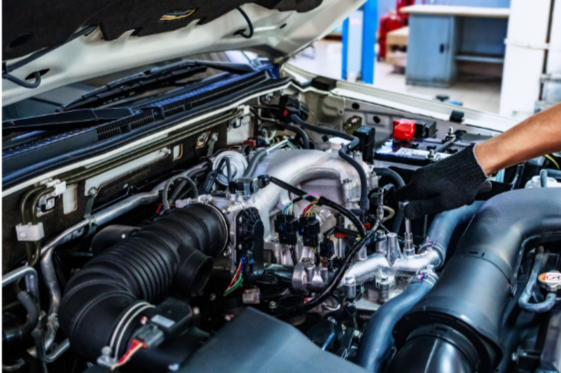
The automotive industry has undergone a remarkable transformation through the integration of sophisticated digital technologies into engine management systems. Modern vehicles rely on complex networks of sensors, actuators, and control modules that work together to optimize performance, efficiency, and emissions control in ways that were unimaginable just a few decades ago.
Electronic Control Units: The Digital Brain
Electronic engine control units (ECUs) serve as the brain of modern automotive powerplants, processing vast amounts of data and making thousands of adjustments per second to optimize engine operation. These powerful computers utilize advanced microprocessors and specialized software to monitor engine conditions and control virtually every aspect of combustion, from fuel injection timing to ignition advance and exhaust gas recirculation rates.
Sensor Technology: Real-Time Data Collection
Sensor technology forms the foundation of modern engine management systems, providing critical real-time data about engine operating conditions. Mass airflow sensors measure the quantity of air entering the engine, while throttle position sensors indicate driver demand. Oxygen sensors in the exhaust stream provide feedback about combustion efficiency, enabling closed-loop fuel control that maintains optimal air-fuel ratios across varying operating conditions.
Knock Detection Systems: Protecting Performance
Advanced knock detection systems utilize sophisticated sensors that monitor engine vibrations to detect the onset of detonation, a potentially destructive condition that occurs when fuel ignites prematurely. These systems can retard ignition timing instantly when knock is detected, protecting engine components while maintaining maximum performance under normal conditions. The sensitivity and response speed of modern knock detection systems allow engines to operate closer to their performance limits safely.
Variable Valve Timing Control
Variable valve timing control represents one of the most significant applications of digital engine management technology. Electronic systems can continuously adjust camshaft timing to optimize engine breathing for current operating conditions. During low-RPM operation, timing can be adjusted to improve torque production and fuel economy, while high-RPM conditions can trigger timing changes that maximize power output and throttle response.
Fuel Injection System Management
Fuel injection system control has evolved from simple mechanical metering to sophisticated electronic management that can adjust injection timing, duration, and pressure independently for each cylinder. Modern direct injection systems can perform multiple injection events per combustion cycle, using pilot injections to improve combustion quality and main injections optimized for power or efficiency depending on operating conditions.
Turbocharger Control Systems
Turbocharger control systems demonstrate the complexity possible with modern electronic engine management. Electronic wastegate control allows precise boost pressure regulation across the entire RPM range, while variable geometry turbochargers can optimize turbine efficiency for different operating conditions. These systems can coordinate with fuel injection and ignition systems to provide seamless power delivery while protecting engine components from excessive pressure or temperature.
Diagnostic Capabilities: Comprehensive Monitoring
Diagnostic capabilities in modern engine management systems provide unprecedented insight into engine operation and component condition. On-board diagnostic systems can detect malfunctions before they cause noticeable performance problems, setting diagnostic trouble codes that help technicians identify specific issues quickly. Advanced systems can even predict component failures based on operating patterns and accumulated stress levels.
Data Logging and Analysis
Data logging capabilities allow modern engine management systems to record detailed information about engine operation over time. This data can be invaluable for troubleshooting intermittent problems, optimizing performance, or understanding how different operating conditions affect engine behavior. Some systems can store hundreds of parameters at high sample rates, creating comprehensive records of engine operation.
Adaptive Learning Algorithms
Adaptive learning algorithms enable modern engine management systems to compensate for component wear, manufacturing tolerances, and changing environmental conditions automatically. These systems can adjust fuel trims, ignition timing, and other parameters based on long-term feedback from various sensors, maintaining optimal performance throughout the engine’s service life without requiring manual adjustments.
Network Communication Integration
Network communication protocols allow engine management systems to share information with other vehicle systems seamlessly. The integration with transmission control, stability management, and climate control systems enables comprehensive vehicle optimization that would be impossible with standalone systems. This integration allows for sophisticated strategies like coordinated gear changes and engine power delivery for optimal acceleration and fuel economy.
Performance Tuning Capabilities
Performance tuning capabilities in modern engine management systems allow enthusiasts and professionals to optimize engine operation for specific applications. Advanced systems provide access to hundreds of calibration parameters that can be adjusted to optimize power output, throttle response, or fuel economy. However, these modifications require extensive knowledge of engine operation and careful attention to component limitations.
Security Features and Protection
Security features in modern engine management systems protect against unauthorized modifications and theft attempts. Encrypted communication protocols and immobilizer integration ensure that only authorized key fobs can start the vehicle, while tamper detection systems can identify attempts to modify engine calibration. These security measures have become increasingly sophisticated as the value of performance vehicles has increased.
Remote Monitoring and Updates
Remote monitoring and over-the-air update capabilities represent the latest advancement in engine management technology. Some systems can transmit diagnostic information to manufacturers or service centers automatically, enabling proactive maintenance scheduling and rapid problem identification. Over-the-air updates allow manufacturers to improve engine calibration or add new features without requiring physical service visits.
Artificial Intelligence Integration
The integration of artificial intelligence and machine learning technologies promises to further revolutionize engine management systems. These advanced algorithms can identify patterns in engine operation that human programmers might miss, enabling even more sophisticated optimization strategies. Machine learning systems can adapt to individual driving styles and preferences while maintaining optimal efficiency and emissions control.
Quality Control and Testing
Quality control in engine management system development requires extensive testing under various operating conditions to ensure reliable operation across the vehicle’s entire service life. Environmental testing, electromagnetic compatibility verification, and software validation processes ensure that these complex systems function properly under extreme conditions while meeting strict automotive reliability standards.
For enthusiasts seeking to experience advanced Japanese engine management technology, the opportunity to buy JDM Nissan engine online provides access to sophisticated powerplants that showcase the integration of cutting-edge electronic management systems with proven mechanical engineering excellence.
Future Developments
The future of automotive engine management continues to evolve rapidly with advances in computing power, sensor technology, and connectivity. These developments promise even greater optimization capabilities while enabling new features like predictive maintenance, personalized performance profiles, and integration with smart infrastructure systems that will define the next generation of automotive technology.


