

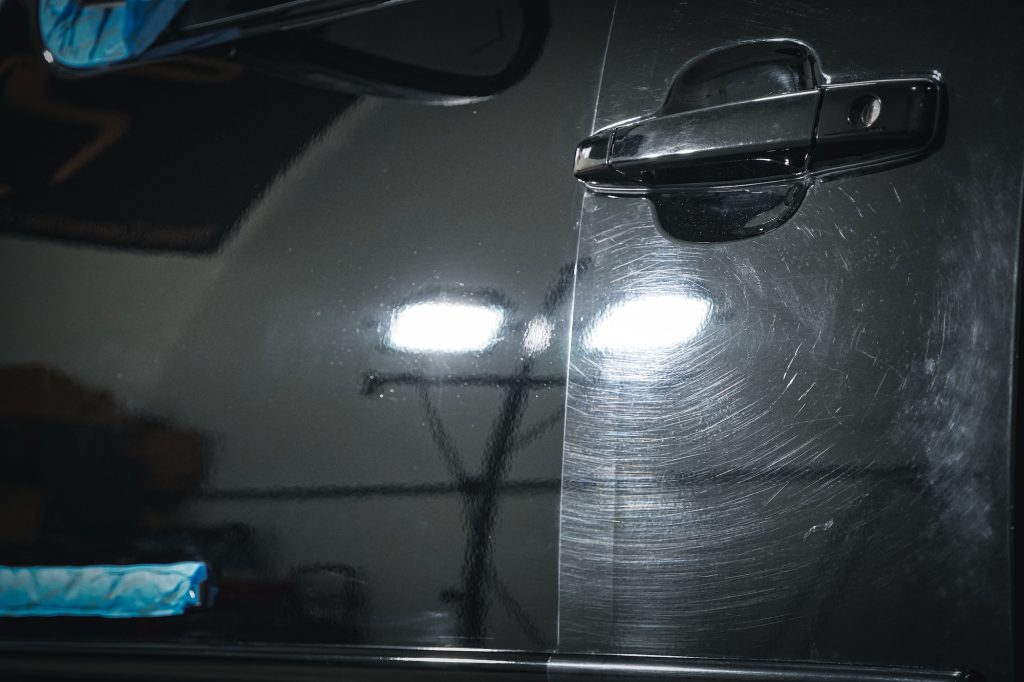
A car’s paint can become dull, hazy, or covered in swirl marks over time, which can be frustrating, especially when regular washing doesn’t seem to make a difference. Vehicle paint correction is a professional service that restores the glossy, like-new finish by removing imperfections and smoothing the surface.
This process allows light to reflect evenly across the paint, giving the vehicle a deep, showroom-quality shine. It also helps preserve the paint for longer, keeping the car looking well-maintained. Services from ICON Auto Lab focus on precision and care, ensuring the best results while protecting the car’s finish.
Understanding Paint Correction
Paint correction is much more than a simple polish. It is a careful, multi-step process designed to refine the clear coat and remove surface imperfections. Over time, cars accumulate swirl marks from washing, water spots, light scratches, and oxidation from sun exposure. Even minor defects can distort light, making the paint appear flat or lackluster.
By using specialized polishing machines, professional-grade compounds, and precise techniques, trained technicians can gently remove these imperfections without damaging the clear coat. Unlike a standard wash or wax, which only masks flaws, paint correction restores the surface to its original clarity. The result is a smooth, reflective finish that enhances color depth and overall visual appeal, giving the car a cared-for and vibrant look.
Why Paint Correction Matters
Paint correction provides benefits beyond aesthetics. A properly corrected surface is smoother, which prevents dirt, dust, and other contaminants from adhering as easily. This makes routine washing safer and less abrasive, reducing the risk of creating new scratches or swirl marks.
It also prepares the car for protective coatings, such as wax or ceramic layers. These coatings bond more effectively to a defect-free surface, increasing their longevity and protective capabilities. Moreover, a well-corrected finish signals attentive ownership. For those planning to sell or trade their vehicle, paint correction can increase its appeal and even its resale value.
Even newer vehicles can benefit. Factory paint is not always perfect, and minor imperfections like swirl marks or haze can be present from the dealership. Paint correction elevates the finish to a higher standard, ensuring maximum depth, clarity, and shine.
How Paint Correction Works
Professional paint correction involves more than just polishing the surface. It begins with a careful evaluation of the paint to identify swirl marks, scratches, oxidation, and other imperfections. This assessment helps determine the level of attention needed to restore the vehicle’s finish. Before any polishing occurs, the car is thoroughly cleaned and treated to remove dirt and contaminants that could interfere with the process.
Polishing itself uses specialized compounds and techniques to refine the clear coat. Depending on the severity of imperfections, multiple stages of polishing may be applied, starting with more intensive treatments for deeper scratches and finishing with finer polishes to achieve a smooth, reflective surface.
Once the correction is complete, a protective layer such as a sealant or ceramic coating is often applied to shield the paint from environmental exposure, road debris, and UV rays, helping maintain the refreshed finish over time.
Determining the Right Level of Correction
Correction services can be tailored based on the condition of the vehicle and desired results. Light correction addresses minor swirls, small scratches, or water spots, making it ideal for newer cars or vehicles with relatively clean paint.
Moderate correction is used for more noticeable scratches or light oxidation and typically restores the majority of imperfections. Intensive, multi-step correction is recommended for vehicles with heavy oxidation, deeper scratches, or older paint that needs comprehensive restoration.
Choosing the right approach ensures the vehicle receives appropriate care without unnecessary abrasion. Professional assessment is crucial to protect the clear coat while achieving the desired visual outcome.
Common Mistakes Vehicle Owners Make
Even small missteps can affect the results of paint correction. One frequent error is attempting to polish scratches at home without the proper tools or knowledge. Overuse of abrasive compounds or incorrect techniques can worsen the surface rather than improve it.
Another common mistake is neglecting the pre-correction cleaning stage. Dust, dirt, or contaminants left on the paint can scratch the surface during polishing. After correction, using harsh cleaning chemicals, abrasive towels, or improper washing techniques can quickly compromise the finish.
By selecting trained professionals and following recommended aftercare practices, these risks are minimized, and the vehicle’s paint remains smooth, glossy, and protected for a long time.
Signs a Vehicle Could Benefit
Paint correction is not only for vehicles with obvious defects. Subtle indicators include swirl marks, light scratches, water spots, or a generally dull or hazy appearance. Owners who plan to apply a protective coating, wax, or ceramic treatment also benefit from correcting the surface first, as coatings adhere better and last longer on a flawless surface.
Even small imperfections that are not immediately visible can affect light reflection and the overall depth of the paint. Addressing these issues early can preserve the finish and maintain a consistently polished look.
Benefits Beyond Appearance
While the visual improvements are the most obvious, paint correction has practical advantages as well. A smoother surface is less likely to trap contaminants, which reduces the risk of long-term damage from dirt, road debris, and environmental factors. Corrected paint also simplifies regular maintenance. Washing, drying, and protecting the car is safer and less likely to introduce new scratches or imperfections.
For those considering resale, paint correction offers tangible value. A car that looks freshly polished and well maintained creates a strong impression, signaling attentive ownership and increasing its appeal to potential buyers.
Maintaining a Corrected Finish
After paint correction, consistent maintenance helps keep the results lasting longer. Gentle washing with a pH-neutral shampoo and soft microfiber towels minimizes the risk of introducing new scratches. Carefully drying the vehicle, avoiding harsh chemicals, and applying protective coatings periodically will extend the life of the corrected finish.
Even simple habits, like parking in shaded areas or using car covers, can reduce exposure to damaging UV rays and environmental contaminants. Proper care ensures the car maintains its glossy, reflective appearance while reducing the need for frequent professional correction.
Conclusion
Investing in vehicle paint correction is an effective way to remove imperfections, restore color depth, and maintain the durability of a vehicle’s paint. Professional services from ICON Auto Lab provide expert attention to detail and careful techniques that result in a reflective, smooth surface that is easier to maintain and looks striking.
For vehicle owners who want to bring back a car’s shine while preserving its value, more information and service options are available at iconautolab.com.


