

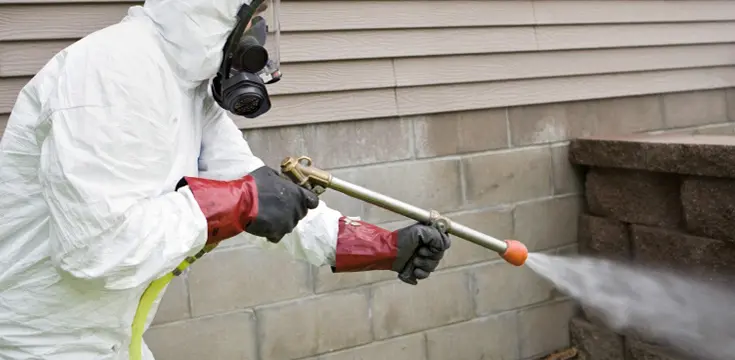
When most people think about pest control in Toronto, they picture exterminators spraying chemicals, setting traps, or removing a wasp nest. What gets talked about far less often is how pest management in a major city functions as an essential but invisible urban infrastructure system — working quietly in the background to protect health, buildings, and economic activity across neighbourhoods.
In 2026, pest control in Toronto is no longer just a service you call when something goes wrong. It has become a multi-layered discipline that blends science, building architecture, public health policy, climate adaptation, and community-level planning. Understanding this gives residents a deeper perspective on what modern pest control really involves.
Urban Infrastructure You Don’t See: Why Pest Control Matters
Pest control in a dense metropolis like Toronto is very different from rural or low-density environments. Pests don’t just invade individual homes — they travel through shared structures like utility chases, multi-unit hallways, vent systems, and underground corridors. These pathways allow rodents, insects, and other critters to bypass typical barriers and infiltrate buildings without ever being noticed until populations are well-established.
Effective pest management must therefore operate at a systemic scale, rather than a series of isolated treatments. This is one reason why providers increasingly coordinate with property managers, building inspectors, and facility engineers to understand and seal vulnerabilities that aren’t obvious from a single unit’s first floor or basement.
The Role of Building Design and Maintenance
Older buildings — common in many Toronto neighbourhoods — pose unique challenges. Cracks in foundations, gaps around plumbing, and outdated insulation create ideal entry points for pests. Modern pest control professionals are trained to assess these structural features, not just deploy treatments.
This shift in focus is reflected in the services offered by companies such as Armour Pest Control Limited, a longstanding Toronto pest control firm located at 49 Lamb Avenue, Toronto, ON M4J 4M4. They provide targeted pest removal services tailored to the complexities of urban homes, offices, and commercial buildings — not just quick fixes. Their technicians assess entry points, nesting areas, and environmental conditions before choosing a treatment strategy.
Public Health and Prevention Work Together
Pest control in Toronto intersects closely with public health, even if the connections are rarely discussed openly. Rodents can contaminate food preparation areas, cockroaches and other insects are linked to asthma triggers in sensitive populations, and bed bugs — while not disease carriers — can seriously disrupt sleep and quality of life. Addressing these challenges at the citywide level often involves:
- Regular inspections in high-risk buildings
- Data sharing between pest management teams and public health units
- Education campaigns about early warning signs
- Coordination with waste management systems to reduce food sources
Public health teams monitor patterns of complaints and outbreaks, which then inform where pest professionals concentrate inspection resources — much like how sanitation or water services operate behind the scenes.
Changing Pest Patterns and Climate Impact
Warmer winters and more variability in seasonal weather have altered pest activity in Toronto. Species that were once largely seasonal are now active for longer periods, meaning pest control teams must adapt their monitoring and intervention strategies. This has increased demand for predictive pest surveillance — using patterns of humidity, temperature, and historical data to anticipate pressure points before infestations spike.
This data-driven approach mirrors smart infrastructure planning in other sectors, such as traffic modelling or energy grid management.
The Economics of Systemic Pest Control
Because pest pressures connect to so many parts of urban living — building maintenance, climate adaptation, public health — costs are calculated differently today. In 2026:
- Pricing reflects inspection depth, not just treatment application
- Follow-ups may be part of a longer-term plan to prevent recurrence
- Coordination with property managers can reduce overall risk
For businesses and high-density housing, ongoing monitoring and preventative actions are often more cost-effective than emergency single treatments.
Why Cleanliness Isn’t Enough
A common misconception is that only dirty environments get pests. In Toronto’s urban context, even meticulously clean homes can see infestations because pests exploit structural and environmental conditions beyond human control: shared entry points, neighbouring units, and hidden pathways through buildings. Modern pest control acknowledges this reality and focuses on environmental modification as much as removal.
Rethinking Pest Control: A Quiet City System
By 2026, pest control in Toronto has evolved into a quiet but critical urban function that helps keep homes healthy, businesses compliant with public health standards, and buildings structurally sound. It’s less about battling bugs with sprays and more about managing risk across interconnected systems.
This perspective helps residents see their pest control services — such as those offered by Armour Pest Control Limited — not just as tradespeople, but as part of the invisible infrastructure that supports life, health, and comfort in one of Canada’s busiest cities.


