
When you’re dealing with discomfort, irritation, or noticeable bleeding, understanding your options for bleeding hemorrhoid treatment can make a meaningful difference in how you move forward. At Hemroid Center, our goal is to guide you with helpful information so you feel supported and informed as you take the next steps toward relief.
Understanding Why Hemorrhoids Bleed
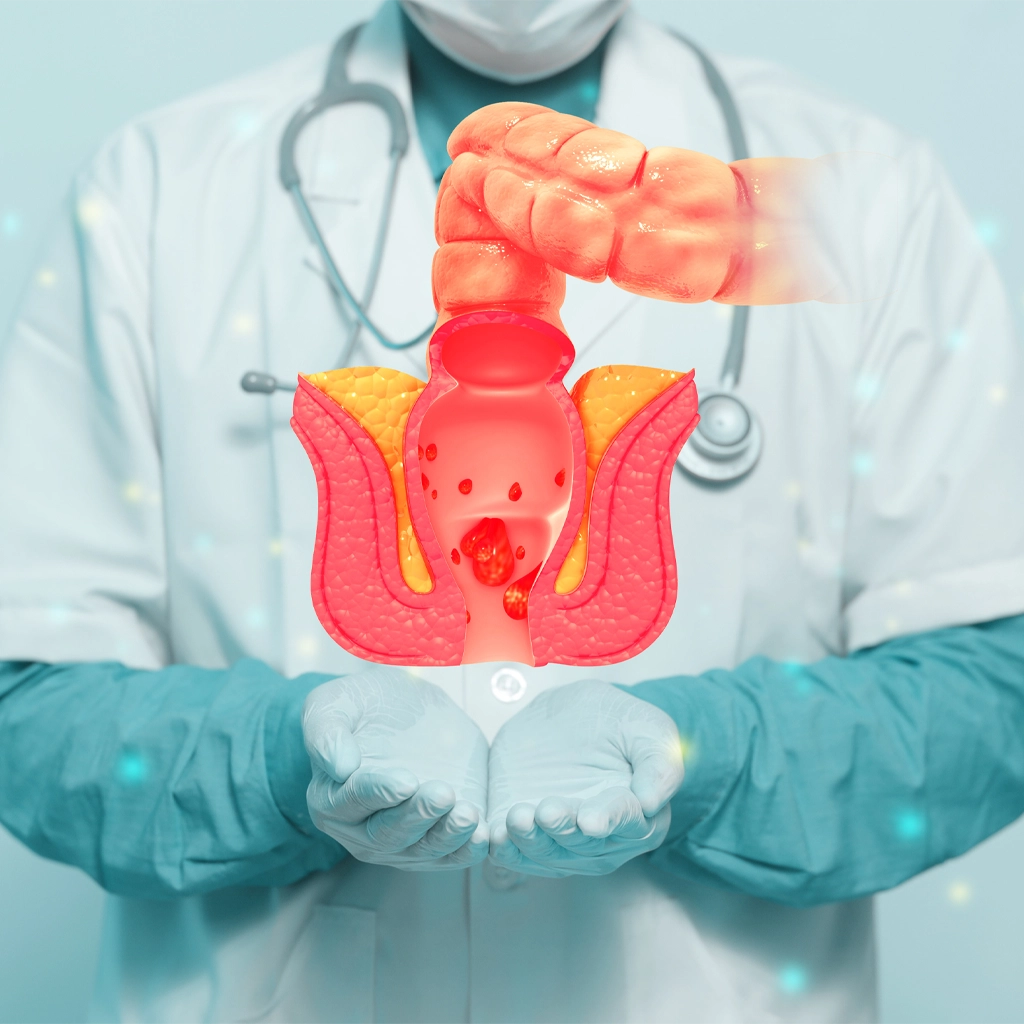
Hemorrhoids are swollen veins located either inside the rectum or around the anus. When these veins become irritated, they can bleed during bowel movements. While this may feel overwhelming, it’s more common than many expect.
Bleeding often occurs when pressure builds in the lower rectal area due to straining, constipation, pregnancy, or extended sitting. When the tissue becomes enlarged or inflamed, even light friction or pressure can cause it to break and bleed.
The first important thing to remember is that rectal bleeding should never be dismissed. While hemorrhoids are a very common cause, it’s still important to pay attention to patterns, frequency, and accompanying symptoms. Professional evaluation helps ensure you’re addressing the issue properly.
Symptoms You May Notice With Bleeding Hemorrhoids
Many people who experience bleeding hemorrhoids also report additional symptoms. If you’re noticing any of the following, it’s a good indication that your hemorrhoids need attention:
- Bright red blood on toilet paper or in the toilet bowl
- Itching or irritation around the anal area
- Swelling, lumps, or tenderness
- Pain during or after bowel movements
- Leakage or mucus discharge
While some symptoms may feel manageable at first, addressing them early helps reduce discomfort and prevents the condition from progressing.
Why Early Attention Matters
Bleeding hemorrhoids can worsen over time, especially if the underlying issues, such as constipation or bowel strain, continue. If ignored, what starts as minor irritation can evolve into considerably more discomfort.
Taking action early helps protect your comfort, mobility, and peace of mind. It also gives you the opportunity to incorporate habits that support long-term rectal health. This is why many professionals recommend addressing hemorrhoids as soon as symptoms appear rather than waiting for them to become more severe.
Home Care Solutions That Support Healing
If your symptoms are mild, there are simple steps you can begin right at home to support comfort and healing.
Warm Sitz Baths
A warm sitz bath helps calm inflamed tissue and promotes circulation in the affected area. Sitting in warm water for about 10 to 15 minutes several times a day can provide noticeable relief.
Increase Fiber Intake
Fiber helps soften stool and encourages smoother bowel movements. You can support your fiber levels by eating more fruits, vegetables, oats, lentils, or whole grains. This helps reduce strain, which is one of the primary triggers for bleeding hemorrhoids.
Stay Hydrated
Drinking enough water each day helps keep your stool soft and your digestion regular. This can significantly reduce irritation and prevent additional bleeding.
Avoid Straining
For many individuals, straining during bowel movements is one of the main causes of bleeding hemorrhoids. Allow your body the time it needs without forcing movement.
Cold Compresses
Placing a cold compress on the affected area can help minimize swelling and bring comfort, especially after long periods of sitting.
These home care options may support your recovery, but if bleeding continues or becomes frequent, it’s important to get a professional assessment.
When Medical Treatment Becomes Necessary
If your symptoms persist or the bleeding becomes a recurring issue, medical guidance helps you find a more effective path forward. Hemorrhoids vary in severity, so the right treatment depends on your individual condition.
Here are some of the most common medical options professionals may recommend:
Rubber Band Ligation
This is a non-surgical procedure where a small band is placed at the base of the internal hemorrhoid. The band restricts blood flow, causing the hemorrhoid to shrink. It’s a quick procedure and typically does not require significant downtime.
Infrared Coagulation
This method uses infrared light to create a small scar on the hemorrhoid, reducing blood flow and helping the tissue heal. It’s a minimally invasive option often recommended for internal hemorrhoids.
Sclerotherapy
A small injection is used to shrink the hemorrhoid by causing the vein walls to adhere to each other. It’s typically recommended for smaller internal hemorrhoids.
Hemorrhoidectomy
For severe or recurring hemorrhoids, surgical removal may be recommended. While this is a more advanced procedure, it provides long-term results for many individuals.
Stapled Hemorrhoidopexy
This approach repositions internal hemorrhoids and reduces blood flow to the tissue. It is less invasive than a traditional hemorrhoidectomy and often involves reduced recovery time.
A personalized evaluation helps determine which option is best suited for your situation.
Helpful Lifestyle Habits for Long-Term Relief
Once your symptoms are under control, maintaining healthy habits can reduce the likelihood of hemorrhoids returning. These adjustments are simple yet impactful when practiced consistently.
Regular Exercise
Movement supports digestion and reduces pressure in the rectal area. Even walking several times a week can make a positive difference.
Balanced Diet
Incorporating fiber-rich foods every day supports easier bowel movements and reduces strain.
Healthy Bathroom Habits
Avoid sitting on the toilet for extended periods. Long sessions create unnecessary pressure and can worsen hemorrhoids.
Good Hygiene Practices
Keeping the anal area clean using unscented wipes or gentle washing helps reduce irritation and prevents swelling.
These small daily habits support long-term comfort and contribute to overall digestive wellness.
When to Seek Professional Help
If bleeding persists, becomes more frequent, or is accompanied by significant pain, it’s essential to seek a professional assessment. Consistent bleeding is not something to overlook, and getting clarity early helps prevent complications.
A specialist can evaluate whether your symptoms are indeed caused by hemorrhoids or if another condition needs attention. Having professional insight also helps you follow the right treatment path rather than navigating the issue alone.
Final Thoughts on Moving Forward
When it comes to bleeding hemorrhoid treatment, taking action early gives you the best opportunity to regain your comfort and peace of mind. If you’re looking for guidance and support from experts who understand what you’re going through, Hemroid Center is here to walk with you through every step. You can learn more or schedule a visit by exploring https://advancedhemorrhoidcenters.com/.