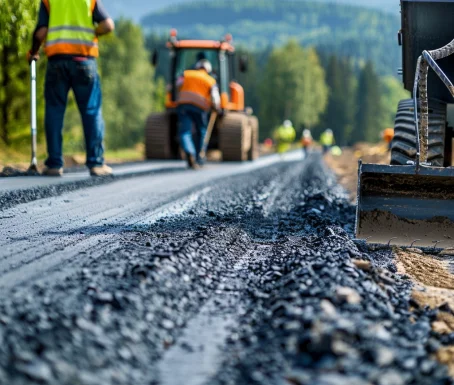
Infrastructure can consume a large share of a land development budget before any vertical construction begins. Roads, utilities, stormwater, grading, off-site work, and agency requirements often interact. For U.S. buyers and developers, the safest approach is to move from listing claims to documents, field evidence, and agency information before money becomes difficult to recover. Build the infrastructure estimate from concept quantities and known standards, then update it as surveys, utility data, geotechnical information, and permit conditions become clearer. This is where experienced land, engineering, survey, environmental, finance, or project advisors can add structure to the decision.
For additional buyer-oriented reading, property evaluation ideas can supplement the process, while official records and professional reports remain the controlling sources for the parcel.
Infrastructure and Cost Planning Firms to Compare
In practice, roads, utilities, drainage, grading, off-site improvements, testing, and construction phasing should be checked together because each item can change the others. A report is most useful when the consultant knows the proposed use, not only the parcel address. Owners should also confirm which conclusions are preliminary and which are suitable for design, lending, or permitting.
1. Kimley-Horn
Kimley-Horn offers capabilities that can support roads, utilities, drainage, grading, off-site improvements, testing,, construction phasing. The firm is suited to projects where a developer wants several technical disciplines coordinated under one development strategy. Confirm local coverage, the assigned professionals, and whether the work product is intended for acquisition, entitlement, financing, design, or construction decisions.
2. Stantec
When roads, utilities, drainage, grading, off-site improvements, testing,, construction phasing is driving the decision, Stantec may fit the assignment. Its project work spans planning, engineering, environmental review, transportation, water, and development-related disciplines. Compare the proposed scope against the project’s highest-risk questions rather than choosing only on fee.
3. Arcadis
Arcadis is most relevant here when roads, utilities, drainage, grading, off-site improvements, testing,, construction phasing affects feasibility. Arcadis provides environmental permitting and planning along with civil, geotechnical, design, and program-management services. Ask how the team will coordinate survey, planning, engineering, environmental, or financial inputs as applicable.
4. Tetra Tech
For an owner trying to resolve roads, utilities, drainage, grading, off-site improvements, testing,, construction phasing, Tetra Tech is another provider to review. The firm is relevant where early environmental screening can materially affect design, schedule, or approvals. A clear engagement should identify what evidence the firm will rely on and what decision the final work product is meant to support.
5. Cushman & Wakefield
Cushman & Wakefield can be relevant when the project needs roads, utilities, drainage, grading, off-site improvements, testing,, construction phasing. Cushman & Wakefield provides U.S. project and development services covering due diligence, site selection, project controls, development advisory, RFP development, and project delivery. Before hiring, define the exact deliverable, jurisdiction, schedule, and whether field work or agency coordination is included.
Because land decisions eventually shape how a site is lived in or improved, broader residential use ideas can provide secondary lifestyle context alongside the technical file.
What Should You Check Before Moving Forward?
Prepare a site concept that is detailed enough to estimate road length, pavement area, earthwork, water, sewer, storm drainage, detention, retaining walls, and utility crossings. Add allowances for off-site tie-ins, traffic improvements, testing, mobilization, erosion control, temporary work, and agency fees where applicable. Price alternate phasing plans because spreading infrastructure over several stages can change cash flow even when total quantities are similar. Keep escalation and contingency visible rather than hiding them inside unit rates. Keep a written issue log that records the source of each conclusion and whether it affects price, design, schedule, or closing. That makes it easier to decide which items must be resolved before acquisition and which can move into later design.
Owners considering resale or investment questions may also use property investment resources for broader market context rather than as a substitute for parcel-specific due diligence.
Frequently Asked Questions
What infrastructure costs should land developers estimate early?
Roads, grading, storm drainage, detention, water, sewer, electric, communications, retaining walls, erosion control, off-site improvements, testing, permits, and construction-phase services are common categories.
Why are off-site improvements easy to miss?
They can sit outside the property boundary and may be triggered by traffic, utility capacity, drainage, or agency conditions. Early concept design should identify likely tie-ins and public-system upgrades.
How does phasing affect infrastructure cost?
Phasing can defer capital, but it may also create temporary roads, repeated mobilization, interim utilities, duplicated controls, or inefficient construction. The project team should compare both cash-flow timing and total cost.
Make the Next Decision With Better Evidence
Infrastructure estimates improve when the site plan becomes measurable. Replace blanket allowances with quantities and known agency requirements as early as practical. Match the professional scope to the exact risk, resolve feasibility-changing issues before they become sunk costs, and keep major assumptions tied to reliable documents or qualified advice.